


When we notice trees that aren’t supposed to be there popping up in our yards or natural areas, it’s easy to wonder when the best time to deal with them is. These unwanted trees can cause all sorts of problems, from crowding out native plants to damaging structures. We’ve found that spring often presents a good window for tackling these issues, especially if you’re considering professional spring tree removal services. Let’s look at some common problem trees and why getting them out early in the season makes sense.
Key Takeaways
- Spring is a good time for removing unwanted trees because they are easier to handle before they grow too large and before they set seed.
- Removing invasive trees in spring helps prevent their spread and allows native plants more room to grow.
- Hiring spring tree removal services can be efficient, especially for larger or more difficult-to-remove trees.
1. Bradford Pear
When it comes to dealing with those pesky Bradford Pear trees, spring is definitely our preferred time for removal. We’ve found that tackling them before they get too established makes the whole process much smoother. These trees, while pretty when they bloom, can become quite a nuisance with their weak branches and invasive tendencies.
The best window for removal is typically in early spring, just as the ground begins to thaw but before the trees leaf out fully. This timing allows us to get a good look at the tree’s structure without the dense foliage obscuring our view. It also means the tree isn’t actively putting a lot of energy into growth, making it more susceptible to the removal methods.
Here’s why we prefer this timing:
- Easier Access: Without leaves, we can see exactly where to cut and how to manage the branches.
- Reduced Spread: Removing them before they produce seeds or spread through suckers helps limit their proliferation.
- Less Stress on the Tree: While we’re removing it, a dormant or semi-dormant tree experiences less shock.
We’ve noticed that trying to remove them later in the season, especially after they’ve flowered and started growing vigorously, can be more difficult. The wood can be softer, and the sap flow is much higher, which can complicate things.
We’ve learned through experience that timing is everything with these trees. Getting them out early in the spring season makes a significant difference in how effective and clean the removal job is. It’s about working with nature’s cycle, not against it.
If you’ve got a Bradford Pear problem, don’t wait too long. Getting it sorted in early spring will save you headaches down the line.
2. Tree of Heaven
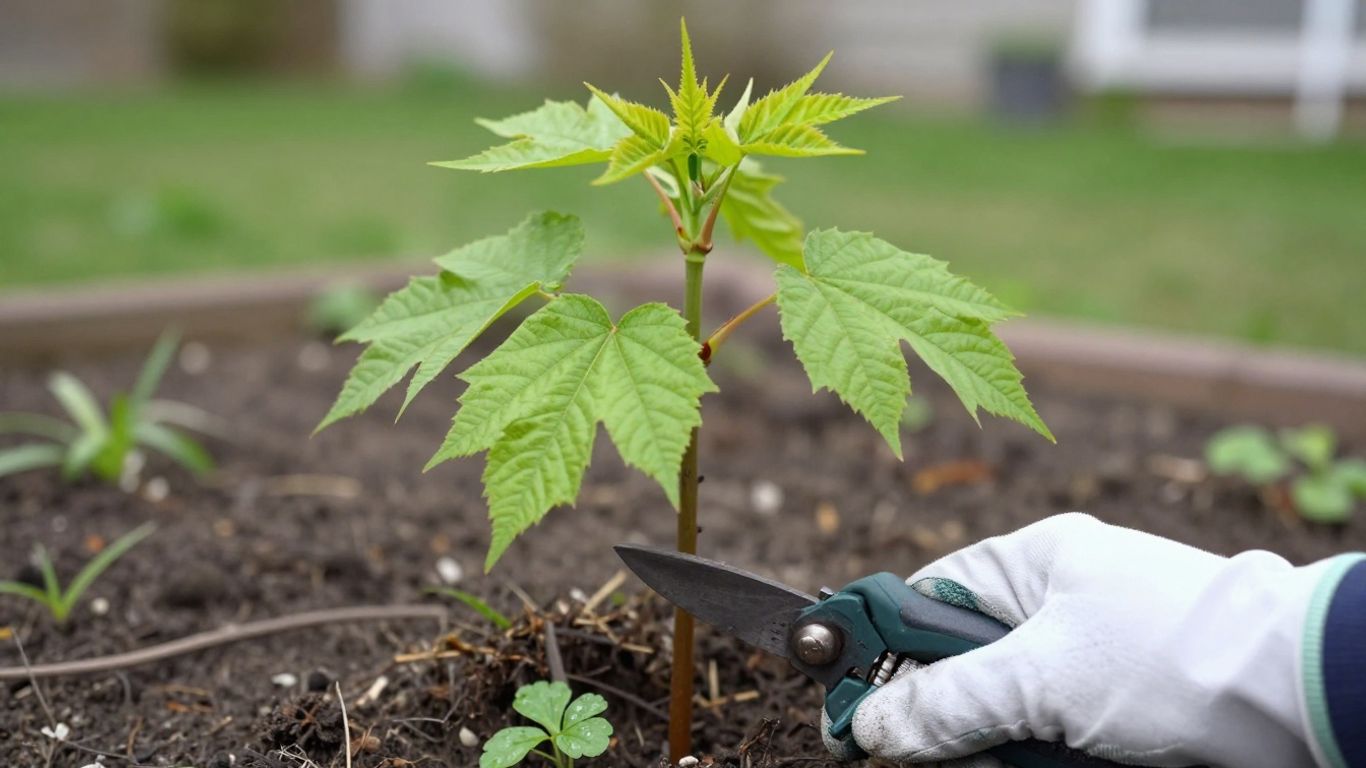
Tree of Heaven has earned its troublesome reputation for good reason. It pops up everywhere, takes hold quickly, and doesn’t care if it’s in a perfect garden or a city backyard. Spring is the best window for controlling these fast spreaders, before seeds have a chance to mature or suckers get too firmly rooted. If we wait too long, growth ramps up and they send shoots running underground, making removal even harder.
When targeting Tree of Heaven in spring, we usually follow a set of steps:
- Identify young trees before leaves are fully open—this is when new growth is most visible.
- Pull or dig out seedlings by hand, especially when soil is still moist. This makes it easier to get the whole root system.
- Cut older saplings at the base, then immediately treat the stump with herbicide to keep sprouts from returning.
| Removal Technique | Best For | Timing |
|---|---|---|
| Hand pulling | Small seedlings | Early spring |
| Digging | Saplings with taproots | Early-mid spring |
| Cutting + herbicide | Mature trunks | Anytime, ideally before seed set |
Removing Tree of Heaven is always a bit of a race against time, since these trees don’t wait around before taking over again next year. Being diligent now saves a lot of hassle in the future.
3. Norway Maple
Norway maple is one of those trees that seems to pop up almost everywhere, and it usually doesn’t take long before we realize we have more little saplings than we ever wanted. The best time to get ahead of Norway maple volunteers is early spring, just as new leaves start to appear but before the roots set in for the season. If we wait too late, the roots get stronger, making removal much tougher and more time-consuming.
There are a few reasons why spring is the smart choice:
- Saplings are easier to spot once they leaf out but haven’t grown too large
- Soil is typically moist, making it easier to pull the whole root
- Less energy stored in the roots means they’re less likely to regrow
If you’re pulling these by hand, we recommend grabbing the base and using steady, even pressure to get as much of the root as possible. For saplings that resist, use a small shovel or weed wrench.
| Method | Best Timing | Difficulty |
|---|---|---|
| Hand pulling | Early spring | Low |
| Shovel removal | Mid/late spring | Moderate |
| Cutting at base | Any time, but regrows | High |
For stubborn saplings, returning a couple weeks after your first round is wise. It’s not unusual for a few to sneak back in, and catching them early again is key to keeping your garden clear.
Norway maples seem determined to take over, but if we stay one step ahead each spring, we can keep them in check.
4. Buckthorn
When it comes to buckthorn, we’ve found that spring is a pretty good time to tackle it, especially before it gets too established. These thorny shrubs can really take over an area if we let them. Getting rid of buckthorn in the spring helps prevent its seeds from spreading further.
We usually look for a few key signs when deciding if it’s time to act:
- The plant is still relatively small and manageable.
- The ground is soft enough for pulling, but not waterlogged.
- We can clearly identify the buckthorn before it starts leafing out too much, making it easier to distinguish from native plants.
If you’re dealing with larger infestations, you might need a more involved approach. Sometimes, cutting the main stems near the ground and then treating the stump is the way to go. We’ve seen that applying a targeted herbicide right after cutting can be quite effective, but we always make sure to follow the product instructions carefully.
Dealing with buckthorn requires a bit of patience. It’s not always a one-and-done situation. We often find that we need to revisit areas year after year to catch the new sprouts that pop up. Persistence is key to keeping it under control.
For smaller plants, especially those with shallow root systems, simply pulling them out by hand can work. Just be sure to get as much of the root as possible. If you’re unsure about identification, it’s always best to check with a local extension office or a knowledgeable neighbor. We don’t want to accidentally remove something we shouldn’t!
5. Mulberry
Mulberries can be a bit of a nuisance when they pop up where we don’t want them. We’ve found that spring, particularly after the worst of the frost has passed but before they get too established, is a good time to deal with them. Trying to remove a young mulberry sapling is much easier than tackling a mature tree.
The best approach often depends on the size of the mulberry. For smaller, younger trees, we can usually just pull them out by the roots. If the roots are left behind, though, they can sprout again, so we need to be thorough. For larger ones, we might need to cut them down and then treat the stump to stop regrowth. We’ve learned that using a broad-spectrum herbicide on the freshly cut stump is quite effective, but we have to be careful to only apply it to the stump itself to avoid harming other plants nearby.
Here’s a quick rundown of what we do:
- Identify the mulberry: Make sure it’s actually a mulberry and not something else we want to keep.
- Assess the size: Is it small enough to pull, or does it need cutting?
- Choose your method: Hand-pulling for small ones, cutting and treating for larger ones.
- Dispose of the material: Don’t just leave the cut tree lying around, as it might still spread seeds or resprout.
We’ve noticed that mulberries tend to spread aggressively, especially if birds eat the fruit and then drop the seeds elsewhere. This is why getting them when they’re young is so important. It saves us a lot of work down the line.
Dealing with volunteer mulberries in the spring means we can get a head start on preventing them from becoming a bigger problem later in the year. It’s all about being proactive.
6. Mimosa
We often see Mimosa trees popping up where they aren’t wanted. These trees grow fast and can spread seeds pretty easily. If you’ve got one that’s become a problem, spring is a good time to deal with it. Getting rid of them before they get too big makes the job much easier.
Mimosa trees, also known as Silk Trees, can be quite beautiful with their fluffy flowers, but they can also take over an area. They tend to pop up in disturbed soil, like along roadsides or in fields that haven’t been managed.
Here’s why dealing with them in spring works well for us:
- Easier Removal: The ground is usually soft enough in spring to pull out smaller saplings by hand or with basic tools. This is much simpler than trying to dig them out when the ground is hard.
- Preventing Seed Spread: Mimosa trees produce a lot of seed pods. Removing the tree before it flowers and sets seed means you stop it from making more unwanted trees next year.
- Less Stress on Native Plants: When Mimosas take over, they can shade out native plants that are important for local wildlife. Removing them gives these native species a better chance to grow.
For larger trees, you might need to cut them down. If you do this, it’s a good idea to treat the stump right away to stop it from resprouting. We’ve found that applying a specific herbicide to the fresh cut is pretty effective.
Dealing with invasive trees like Mimosa takes a bit of effort, but it’s worth it for the health of our local environment. Spring gives us a good window to tackle these trees when they are most vulnerable and before they cause more problems.
7. White Mulberry
We often see White Mulberry trees popping up where we least expect them, usually in disturbed areas or along fence lines. They spread pretty easily, and while they do produce edible fruit, they can quickly become a nuisance, crowding out native plants.
The best time to tackle these is definitely in the spring, before they get too big and before they start dropping all those seeds. Trying to remove them when they’re small is much easier than dealing with a mature tree.
Here’s a quick rundown on why we want to get rid of them:
- They outcompete native species for light and resources.
- Their fruit can attract birds, which then spread the seeds even further.
- They can hybridize with other mulberry species, which isn’t ideal for local ecosystems.
When we’re dealing with smaller White Mulberry saplings, we can often just pull them out by hand, especially after a good rain. For larger ones, we’ll need to use a shovel or even a saw. If you’re dealing with a really big tree, you might need to consider cutting it down and then treating the stump to prevent regrowth. We’ve found that applying a targeted herbicide to the freshly cut stump works pretty well to stop it from sending up new shoots. It’s a bit of work, but it’s worth it to keep our natural areas clear.
Removing White Mulberry in the spring gives us a head start on preventing its spread for the rest of the year. It’s a proactive step that makes a big difference in managing invasive species.
8. Princess Tree
You know that feeling when you spot a tiny princess tree sprouting where it doesn’t belong? It doesn’t take long before it turns into a headache. Princess trees (Paulownia tomentosa) are super fast growers and drop seeds just about everywhere, so they pop up all over—sometimes in the weirdest places.
The best time to pull up these volunteer trees is early spring, right after the ground thaws but before the leaves open up. The roots are softer, and there’s less chance of regrowth if you get most of the root out.
Here’s how we usually go about it:
- Start removal before bud break, when growth is still slow
- Water the area the day before, so the soil is easier to work with
- Try to pull out the entire main root (these things like to send out suckers if you leave any piece behind)
| Task | Spring Timing | Difficulty |
|---|---|---|
| Uprooting seedling | Early March-April | Easy |
| Cutting saplings | Before leaf-out | Moderate |
| Treating cut stumps | Same day as removal | Moderate |
Once we see those heart-shaped leaves, we know our window for easy removal is closing fast—so it’s best to act early and save ourselves trouble down the road.
9. Autumn Olive
We often see Autumn Olive popping up along roadsides and in fields, and while it has pretty silvery leaves and fragrant flowers, it’s a real problem plant. It spreads super fast, crowding out native plants that local wildlife actually needs.
The best time to tackle Autumn Olive is definitely in the spring, before it starts to flower and set seed. Trying to remove it later in the year means you risk spreading its seeds even further. Plus, the ground is usually soft enough in spring to make pulling out younger plants easier.
Here’s a quick rundown on how we approach it:
- Small Saplings: For plants that are just starting out, we often just pull them up by hand. Make sure you get the entire root system, or they can grow back.
- Larger Shrubs: For bigger ones, we might need to use a shovel or even a saw. Cutting them down is only part of the job; you’ll need to treat the stump right away to stop regrowth.
- Chemical Treatment: If you’ve got a lot of them, or they’re really big, sometimes we use a targeted herbicide on the cut stump. This is most effective when done immediately after cutting.
We’ve found that persistence is key with Autumn Olive. It doesn’t usually die off after just one attempt, so be prepared to keep an eye on the area and remove any new sprouts that pop up.
Remember, the goal is to prevent it from flowering and spreading its invasive seeds. Getting rid of it in spring gives us the best chance of success before it becomes a bigger headache.
10. Russian Olive
We often see Russian Olive trees popping up where they aren’t wanted. They can really take over an area if we let them. Spring is a good time to deal with them before they get too big.
These trees are known for being tough and can grow in pretty rough conditions. They spread easily, often through birds eating their fruit and then dropping seeds elsewhere. This makes them a real nuisance in natural areas where they can push out native plants.
Here’s why we want to get rid of them in the spring:
- New growth is easier to spot and remove.
- The soil is usually soft enough to pull out smaller saplings by the roots.
- It prevents them from flowering and producing more seeds for the season.
If you have a larger Russian Olive, cutting it down in the spring is still a good idea. We can then treat the stump to stop it from growing back. It’s a bit more work, but it’s effective.
Dealing with invasive trees like Russian Olive takes a bit of effort, but it’s important for keeping our local plant life healthy. Spring gives us a good window to tackle these problems before they get out of hand.
Wrapping Up Our Spring Tree Talk
So, we’ve talked about why spring is a good time to deal with those unwanted trees popping up where we don’t want them. It’s not just about looks, either; these volunteers can cause real problems down the line. Getting them out now, while they’re still small and the ground is workable, makes the job a lot easier for us. We can get a handle on them before they get too big and tough to manage. Think of it as a bit of spring cleaning for our yards. It takes a little effort, but it’s worth it for a healthier space.
Frequently Asked Questions
Why is spring the best time to get rid of these unwanted trees?
We find that spring is an ideal season for removing problem trees. The ground is usually soft enough to make digging easier, but not so muddy that it becomes a mess. Plus, many of these trees are easier to identify when they start to bud or leaf out, helping us be sure we’re removing the right ones before they get too big or spread their seeds.
What happens if we don’t remove these trees?
If we let these volunteer trees take over, they can cause a lot of trouble. They often push out native plants that local wildlife needs, and some can even damage buildings or pipes with their roots. We also see them spreading quickly, making it harder and more expensive to deal with them later on.
Are there any special tools we need for tree removal?
For smaller trees, we can often manage with basic tools like a shovel, pruning saw, or loppers. However, for larger or more stubborn trees, we might need stronger equipment such as a larger saw, a mattock for tough roots, or even professional help if the tree is very large or in a tricky spot. Safety first is always our motto when we’re working.
