


Wildfires are a growing concern for many of us, and a big part of that risk comes from how fire can climb up trees. We’re talking about those smaller branches and brush that act like a ladder, letting flames reach higher into the canopy. This can turn a small ground fire into a much bigger problem very quickly. We need to think about how we manage the plants around our homes and in our neighborhoods to make things safer. That’s where things like tree pruning services come into play, helping us reduce these risks.
Key Takeaways
- We can lower wildfire risk by understanding how low-growing plants and branches help fires climb. Removing these “ladder fuels” is a smart step.
- Getting professional tree pruning services can make a big difference in clearing out these risky fuels and making our properties safer from fire.
- Keeping the area around our homes clear of brush and doing regular tree maintenance, like pruning, helps stop fires from spreading easily.
Mitigating Wildfire Risk Through Strategic Tree Pruning
We often think about wildfires as these massive, unstoppable forces, but a lot of how they behave, especially near our homes, comes down to the smaller details. One of the biggest concerns we face is what we call ladder fuels. These are basically the things that let a ground fire climb up into the tree canopy, turning a small brush fire into a serious threat. Think of dry grass, low-hanging branches, or dense shrubs right next to a tree trunk. They act like a ladder, giving the fire an easy path upwards.
Understanding Ladder Fuels and Ember Ignition
Ladder fuels are a primary pathway for wildfire to reach homes. When a fire starts on the ground, these fuels connect the flames to the lower branches of trees. From there, the fire can spread rapidly into the tree’s crown, creating a much more dangerous situation. This is where embers play a big role. Embers, those glowing bits of ash and burning material, can be carried by the wind for long distances. If they land on dry grass, dead leaves, or directly on low-hanging branches that are part of a ladder fuel system, they can easily start new fires. Reducing these fuels is one of the most effective ways we can slow down a wildfire’s advance. It breaks that connection, making it harder for the fire to climb and for embers to find a good spot to ignite.
Benefits of Professional Tree Pruning Services
When we talk about pruning, we’re not just talking about making things look tidy. It’s a strategic process. We need to remove those lower branches that are close to the ground, especially on trees that are near our homes or other structures. We also need to thin out dense foliage and remove dead or dying branches, as these are prime targets for ignition. It’s about creating space and reducing the amount of flammable material that’s easily accessible to ground fires and embers.
Here are some key benefits we see from professional pruning:
- Reduced Fire Spread: By removing lower branches and thinning canopies, we limit the fuel available for fire to climb into the trees.
- Improved Ember Resistance: Less dense foliage means fewer places for windblown embers to catch and ignite.
- Healthier Trees: Proper pruning removes diseased or damaged parts, making trees more resilient overall.
- Better Visibility: Clearing branches can improve our ability to spot potential fire hazards early.
We’ve found that hiring professionals makes a big difference. They know which branches to cut, how much to cut, and how to do it without harming the tree. It’s a specialized skill that helps protect our properties.
Sometimes, it’s not just about cutting branches. It’s about managing the space around the trees. We need to make sure there isn’t a continuous fuel bed connecting the ground to the tree. This might involve clearing out brush and dead vegetation that has accumulated underneath.
Creating Defensible Space with Vegetation Management
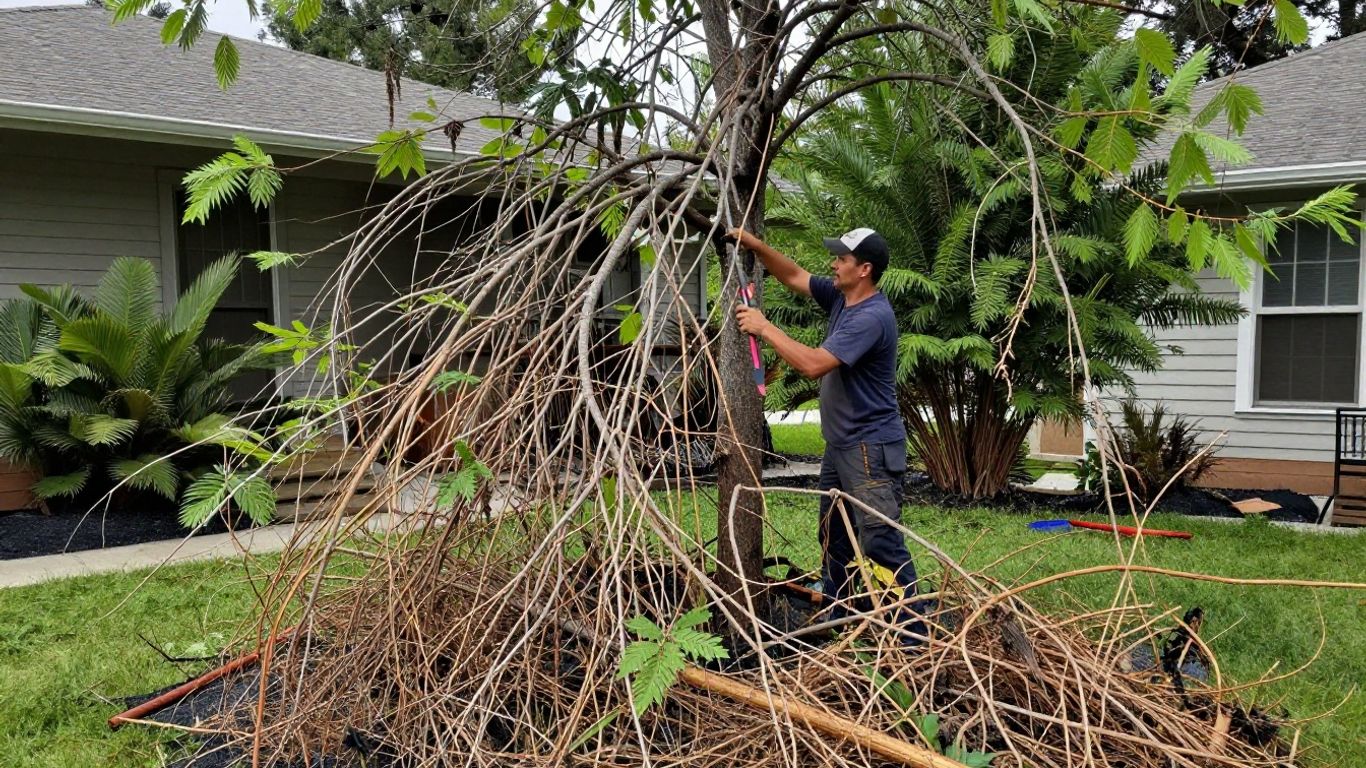
We often talk about wildfire risk, and a big part of that comes down to how we manage the plants around our homes and properties. Creating what’s called ‘defensible space’ is a practical way we can all help reduce the danger. It’s not just about aesthetics; it’s about making our homes less of a target when a fire approaches.
Clearing Undergrowth to Prevent Fire Spread
Think about how fire moves. It needs fuel, and that includes all the low-lying plants, dead leaves, and small shrubs that can easily catch fire and carry flames upwards. We call this ‘ladder fuel’ because it acts like a ladder, helping fire climb from the ground into the branches of trees. Removing this dense undergrowth is key. We need to clear out dead vegetation, trim back bushes that are too close to structures, and generally thin out areas where plants are packed together. This breaks the continuity of fuel, making it much harder for a fire to spread quickly or reach the crowns of trees.
Importance of Regular Maintenance and Tree Pruning Services
This isn’t a one-time job. Vegetation grows back, leaves fall, and dead branches accumulate. Regular maintenance is where we really make a difference. We should be looking at our properties seasonally, not just once a year. This means checking for new growth that needs trimming, clearing out gutters, and making sure there aren’t piles of dry leaves or pine needles near the house. For many of us, hiring professional tree pruning services makes a lot of sense. They have the tools and the know-how to do the job right, especially when it comes to removing deadwood or thinning out canopies in a way that promotes tree health while also reducing fire risk. Consistent attention to our landscaping is our best defense.
Here are some things we should focus on:
- Removing dead or dying plants and branches.
- Keeping grass mowed short, especially during dry seasons.
- Creating space between trees and shrubs, and between vegetation and our homes.
- Clearing out any accumulated dry leaves, needles, or debris from around the base of trees and structures.
Managing vegetation isn’t just about clearing brush; it’s about thoughtful landscaping that considers fire behavior. We want to create zones where fire has less fuel to consume and less opportunity to climb into the trees.
We also need to think about the types of plants we use. Some are naturally more flammable than others. Choosing plants that are less likely to ignite, or that grow more slowly and require less maintenance, can be a smart long-term strategy for reducing fire risk around our homes.
Wrapping Up Our Thoughts
So, we’ve talked a lot about how embers can travel and start fires, especially when they find fuel close to the ground. Clearing out those lower branches and keeping brush away from our trees, what we call ‘ladder fuels,’ really makes a difference. It’s not a magic fix, nothing is, but it’s a practical step we can take. By doing this work, we’re making our homes and our communities a bit safer when fire season rolls around. It takes effort, for sure, but it’s about being prepared and looking out for each other. We hope this gives you some good ideas for your own property.
Frequently Asked Questions
What exactly are ‘ladder fuels,’ and why are they a problem during wildfires?
We often talk about ‘ladder fuels’ as anything that lets a fire climb up from the ground into the tree canopy. Think of low-hanging branches, shrubs, or even dead plants close to the ground. These act like steps on a ladder, helping a fire move upwards. When a fire reaches the tree tops, it becomes much harder to control and can spread much faster, posing a greater danger.
How does trimming trees help stop wildfires from spreading?
By trimming trees, we remove those ‘ladder fuels.’ We clear out lower branches that could allow flames to reach higher. We also remove dead or dying branches that can easily catch fire. This process creates space between the ground and the tree’s main branches, making it much harder for a ground fire to climb up into the tree and spread further into the forest or towards our homes.
Is clearing brush and trimming trees something we should do all the time?
Yes, maintaining a clear space around our properties and in wooded areas is a continuous effort. Wildfires are a year-round threat, and vegetation grows back. Regularly clearing away dry leaves, fallen branches, and overgrown brush, along with ongoing tree trimming, is crucial. This consistent upkeep is key to keeping our communities safer from the dangers of wildfires.
