


As the weather warms up, we often find ourselves looking at our gardens and thinking about how to get them looking their best. For many of us, that includes our flowering shrubs and bushes. Pruning at the right time can make a big difference in how much they bloom. We’ve put together some tips for common flowering plants. If you have larger trees that need attention, you might also consider looking into tree pruning services to keep your whole yard tidy and healthy.
Key Takeaways
- Prune spring-blooming shrubs like Forsythia and Lilacs *after* they finish flowering to avoid cutting off flower buds.
- For summer bloomers such as Hydrangeas (some types) and Butterfly Bush, pruning in early spring before new growth starts is usually best.
- Roses generally benefit from pruning in early spring as the danger of hard frost passes, removing dead or weak wood and shaping the plant.
1. Roses
Spring is the time we get to work on our roses, and it’s pretty important for how they’ll do all year. We usually wait until we see the first signs of new growth, like tiny red buds or leaves starting to unfurl. This is when the plant is waking up and ready to handle some pruning.
Our main goal is to remove any dead, damaged, or diseased wood from the previous season. Think of it like cleaning house for the plant. We also want to open up the center of the bush a bit to let air and light in. This helps prevent fungal issues later on.
Here’s a simple way we approach it:
- Inspect the plant: Look for any branches that are broken, have black spots, or look generally unhealthy. Cut these back to healthy wood.
- Remove crossing branches: If two branches are rubbing against each other, pick the weaker one and remove it. This stops wounds from forming where disease can get in.
- Shape the plant: We aim for a nice, open shape. Cut back any stems that are growing inward towards the center of the bush. We also trim stems that are too long or leggy to encourage bushier growth.
- Consider the bloom type: For repeat-blooming roses, we prune a bit more aggressively. For once-blooming types, we’re more careful not to cut off the wood that will produce flowers this year.
We use sharp, clean pruning shears for most cuts. For thicker, older canes, loppers work best. It’s always a good idea to sterilize your tools between plants, especially if you suspect disease.
Pruning roses in spring isn’t just about making them look tidy; it’s about setting them up for a healthy growing season and a good show of blooms. Taking a little time now really pays off later.
2. Azaleas
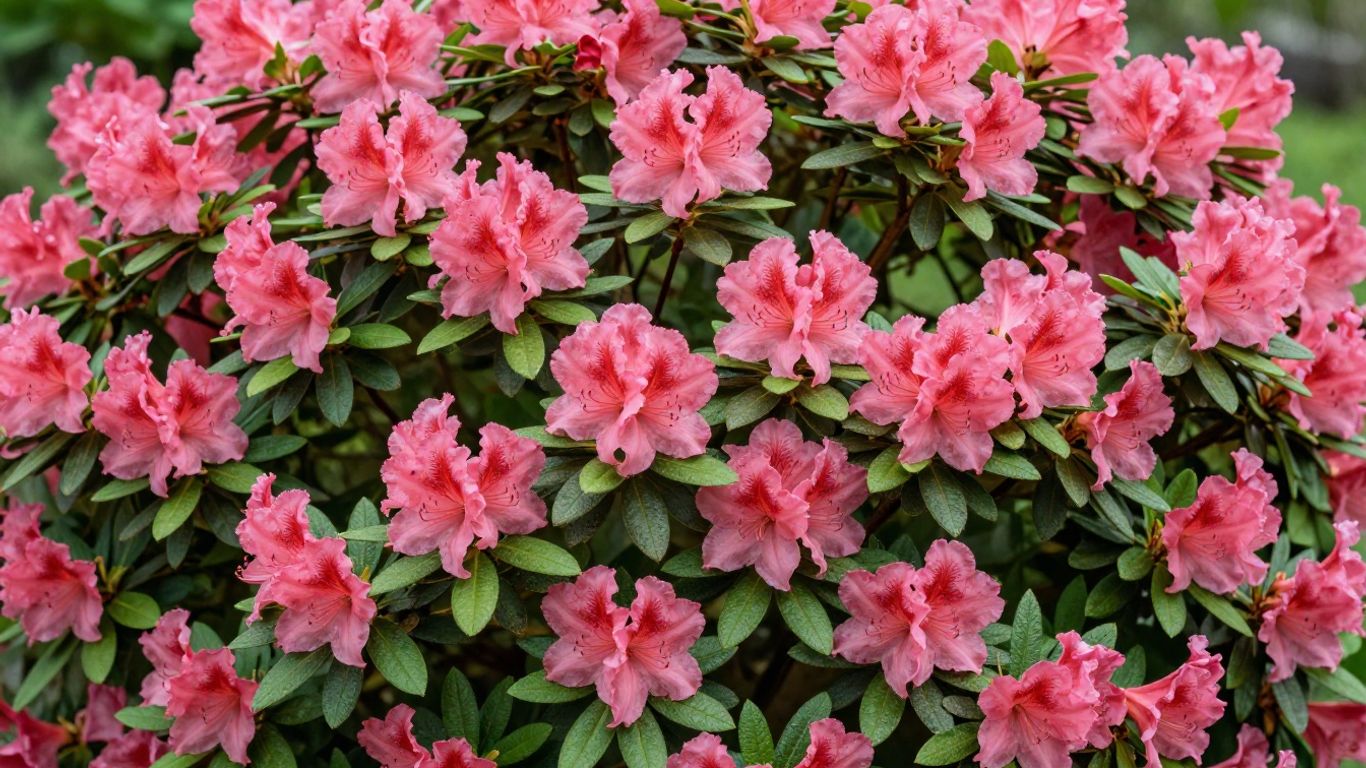
When it comes to azaleas, we usually want to prune them right after they finish blooming. Doing it too late in the season means we might cut off next year’s flower buds, and nobody wants that. Think of it like this: the flowers you see in spring are set the year before. So, if we snip them off in summer, we’re basically saying goodbye to blooms for the following year.
The main goal with azalea pruning is to maintain their natural shape and remove any dead or damaged branches. We’re not looking to drastically change their size or form, just keep them looking tidy and healthy. We’ll start by looking for any branches that are crossing each other or growing inwards. These can rub and create wounds, inviting disease. We’ll also take out any branches that look weak or have died back. It’s best to make clean cuts just above a leaf node or a side branch. This helps the plant heal properly and encourages new growth in the right direction.
Here’s a quick rundown of what we look for:
- Dead, damaged, or diseased wood: Always the first to go.
- Crossing branches: Remove the one that’s growing awkwardly or is weaker.
- Leggy growth: If some branches are stretching out too far, we can shorten them back to a point where they meet a stronger side branch.
- Overcrowding: Sometimes, a few branches might be too close together. We’ll thin these out to allow for better air circulation.
We generally avoid heavy pruning on azaleas. They respond best to light shaping. If you do need to reduce the size of an overgrown azalea, it’s better to do it over a couple of years rather than all at once. This lessens the stress on the plant. Remember, the best time is right after flowering. Get it done before mid-summer, and you’ll be rewarded with plenty of flowers next spring.
3. Rhododendrons
When it comes to rhododendrons, we usually want to prune them after they finish flowering, not in early spring. Pruning too early can remove the flower buds that have already formed for the current year’s show. However, if you missed the window last year or need to manage size, a light trim in early spring before new growth really takes off is okay. The main goal is to shape the plant and remove any dead or damaged wood.
We typically focus on a few key areas:
- Deadheading: Gently remove spent flower trusses. This isn’t strictly pruning, but it tidies things up and prevents the plant from putting energy into seed production.
- Shaping: If a rhododendron has grown too large or has an awkward branch, we can prune it back. It’s best to cut just above a leaf node or a side branch. Remember, rhododendrons don’t respond as well to hard pruning as some other shrubs, so aim for moderation.
- Removing Suckers: Look for any shoots coming from the base of the plant or below the graft line (if it’s grafted) and remove them.
- Addressing Winter Damage: If branches were broken by snow or ice, trim those back to healthy wood.
We generally avoid heavy pruning on rhododendrons. If a plant is severely overgrown, it might be better to consider replacing it or undertaking a multi-year rejuvenation process rather than a single drastic cut. For most established plants, a light touch is all that’s needed to keep them looking good and flowering well.
It’s important to remember that rhododendrons are evergreen, meaning they keep their leaves year-round. This is why we’re cautious about pruning them too hard or too late in the season, as we don’t want to damage the foliage or remove potential blooms.
4. Hydrangeas
When it comes to pruning hydrangeas in the spring, we need to be a bit careful because different types bloom on different wood. It’s not a one-size-fits-all situation, you see. The key is to know which type of hydrangea you have. If you’re unsure, it’s often best to prune lightly or wait until after they flower to avoid cutting off the blooms.
For hydrangeas that bloom on old wood, like the bigleaf hydrangea (Hydrangea macrophylla) and oakleaf hydrangea (Hydrangea quercifolia), we should only remove dead or damaged stems. We do this right after the last frost. Pruning these too hard in spring means you’ll likely miss out on flowers for the season. We’re just tidying them up, really.
Now, if you have hydrangeas that bloom on new wood, such as the panicle hydrangea (Hydrangea paniculata) and smooth hydrangea (Hydrangea arborescens), we can be a bit more aggressive. We can cut these back quite a bit in early spring, before new growth really gets going. This encourages vigorous new stems that will produce flowers later in the summer.
Here’s a quick guide:
- Bigleaf (H. macrophylla) & Oakleaf (H. quercifolia): Prune only dead/damaged wood after frost. Blooms on old wood.
- Panicle (H. paniculata) & Smooth (H. arborescens): Prune back by about one-third to one-half in early spring. Blooms on new wood.
We should also remove any weak, crossing, or spindly stems on all types to improve air circulation and plant structure. It’s about shaping the plant and keeping it healthy for the growing season ahead.
Remember, a light hand is usually best for hydrangeas that bloom on old wood. We want to see those beautiful flowers, after all. For those that bloom on new wood, a more substantial pruning will lead to more blooms later on.
5. Forsythia
Forsythia, that cheerful harbinger of spring with its bright yellow blooms, is one of the first shrubs to flower. We usually prune it right after it finishes blooming. If we wait too long, we’ll cut off next year’s flower buds, and nobody wants that.
The best time to prune forsythia is immediately after the flowers fade. This gives the plant plenty of time to set new buds for the following spring.
When we prune, we’re usually looking to shape the plant, remove dead or damaged wood, and manage its size. Forsythia can get quite large and leggy if left unchecked. We want to encourage new growth, which will bear flowers.
Here’s a simple approach we take:
- Remove dead or weak stems: Look for any branches that are thin, discolored, or clearly not producing healthy growth. Cut these back to the ground.
- Thin out crowded areas: If branches are crossing or growing too close together, remove some of them to improve air circulation and light penetration. This helps prevent disease.
- Control size and shape: Cut back stems that are too long or growing in unwanted directions. We often aim for a more natural, rounded shape, but it depends on where the forsythia is planted.
We can also do a more drastic rejuvenation prune if an old forsythia has become overgrown and isn’t flowering well. This involves cutting the entire plant back to about 6-12 inches from the ground. It will look pretty bare for a while, but it will come back strong with new shoots that will flower in the next year or two. It’s a bit of a gamble, but it works wonders for tired old shrubs.
Remember, forsythia blooms on old wood, meaning it flowers on the branches that grew the previous year. That’s why pruning right after flowering is so important. We’re essentially shaping the plant for its next show.
6. Lilacs
When it comes to lilacs, we usually want to prune them right after they finish blooming in late spring. If we wait too long, we risk cutting off next year’s flower buds, which form on the old wood. The main goal is to remove dead, damaged, or crossing branches, and to thin out the plant to improve air circulation.
We should also be mindful of suckers. Lilacs tend to send up shoots from the base, and while a few can help maintain a fuller look, too many can make the plant look messy and compete for resources. We typically remove most of these suckers at the soil line.
Here’s a quick rundown of what to look for:
- Dead or diseased wood: Cut these back to healthy tissue. You’ll know it’s healthy if the inside is green.
- Crossing branches: Branches that rub against each other can cause wounds. Remove the weaker or poorly positioned one.
- Suckers: Remove all but a few of the strongest ones if you want a bushier plant. Cut them right at the ground.
- Overcrowding: Thin out some of the older, thicker stems to let light and air into the center of the shrub. This helps prevent fungal issues and encourages new growth.
For older, overgrown lilacs, we might do a more drastic rejuvenation prune over a couple of years. This involves removing about a third of the oldest, thickest stems each year down to the ground. This encourages new, vigorous growth that will eventually replace the old wood and bloom better. It takes patience, but it’s worth it for a healthier, more productive lilac.
Pruning lilacs isn’t complicated, but timing is key. Get it right, and you’ll be rewarded with those wonderful fragrant blooms year after year. Don’t be afraid to get in there with your pruners and tidy them up a bit.
7. Spirea
When it comes to spirea, we usually want to prune them based on when they bloom. For the most part, the common spireas we see are spring bloomers. This means they set their flower buds on old wood, which is growth from the previous year. Therefore, the best time to prune them is right after they finish flowering in late spring or early summer. If we prune them too early in spring, we risk cutting off all those flower buds before they even get a chance to open. It’s a simple rule, but it makes a big difference in how much color we get.
We generally don’t need to do a lot of heavy pruning on spireas. A light trim is usually enough to keep them looking tidy and encourage more blooms. Here’s a quick rundown of what we typically do:
- Remove any dead, damaged, or crossing branches. This helps keep the plant healthy and looking good.
- If the plant is getting a bit leggy or overgrown, we can cut back some of the older stems right down to the ground. This encourages new growth from the base.
- We can also lightly shear the plant to shape it, but we want to be careful not to cut too deeply into old wood if we want flowers this year.
For spireas that bloom later in the summer, on the other hand, we handle them a bit differently. These types bloom on new wood, meaning they form their flower buds on the current season’s growth. For those, we can prune them back more heavily in early spring, before new growth starts. This encourages vigorous new stems that will produce flowers later on.
Spirea pruning is mostly about timing. Get the timing right based on whether it’s a spring or summer bloomer, and you’ll be rewarded with plenty of flowers. For spring-blooming varieties, always wait until after they’ve flowered to do your main pruning.
8. Butterfly Bush
When it comes to butterfly bushes, or Buddleja davidii, spring pruning is all about encouraging new growth and, consequently, more blooms. These shrubs are known for their long, showy flower spikes that attract all sorts of pollinators. If you wait too long, you might miss out on the best flowering season.
We usually tackle butterfly bushes after the last hard frost has passed. It’s pretty straightforward, really. You’ll want to cut back the previous year’s growth pretty hard. Think about cutting back to about one to two feet from the ground. This might seem drastic, but these plants are vigorous growers and will respond well.
Here’s a quick rundown of what we do:
- Remove dead or damaged wood: Start by clearing out any branches that look broken or died back over the winter. It’s good practice for any plant, really.
- Cut back main stems: Trim the main stems back significantly. We aim for about 12 to 24 inches from the soil line. This encourages strong new shoots that will produce flowers.
- Shape the plant: Once the main stems are cut, you can then trim back any side shoots to shape the overall form of the bush. We want it to look tidy and not too wild.
- Thin out crowded areas: If you see lots of thin, weak stems growing from one spot, it’s a good idea to remove some of them. This allows more air and light to get into the center of the plant, promoting healthier growth.
The key is to prune hard to get the best bloom display. Don’t be afraid to cut them back quite a bit. They really bounce back quickly and will reward you with plenty of flowers throughout the summer and into the fall. If you have an older, overgrown bush, you might even consider a renewal prune over a couple of years, but for regular maintenance, a good hard cut-back in spring is the way to go.
9. Clematis
When it comes to clematis, pruning can seem a bit confusing because there are different types, and they all have slightly different needs. We usually find that understanding which group your clematis falls into is the first step. Most of the time, we just want to remove any dead or weak stems from last year. It’s generally best to prune after the plant has finished flowering.
Here’s a quick rundown of the common groups:
- Group 1: These are the early bloomers, often flowering on old wood from the previous year. We typically just tidy these up right after they finish blooming in late spring or early summer. Think of it as a light shaping rather than a hard prune.
- Group 2: These are the repeat bloomers, flowering on both old and new wood. We usually cut these back in late winter or early spring. The goal here is to remove weak stems and cut back the main stems to about 1-2 feet from the ground, leaving a few strong buds.
- Group 3: These are the late bloomers, flowering only on new wood. We can be a bit more aggressive with these. In late winter or early spring, we cut all the stems back to about 1-2 feet from the ground, leaving just a couple of strong buds on each stem. This encourages vigorous new growth and lots of flowers.
If you’re not sure which group your clematis belongs to, a good rule of thumb is to observe when it blooms. Early bloomers usually flower on stems that grew last year, while late bloomers flower on stems that grow this year. For repeat bloomers, you’ll see flowers at different times.
We always make sure our cuts are clean and just above a leaf node or bud. This helps the plant heal properly and directs its energy into new growth. Avoid leaving stubs, as they can invite disease.
10. Peonies
When it comes to peonies, we generally don’t do much pruning in the spring. The main thing we focus on is cleaning up any dead or damaged foliage from the previous year. It’s important to get this done before new growth really starts to take off.
Here’s what we typically do:
- Carefully remove any leaves that look diseased or were damaged by winter weather. We want to prevent any potential issues from spreading.
- Cut back any stems that are broken or look weak. We aim for clean cuts just above a healthy bud or the base of the plant.
- We avoid cutting back healthy, green stems. Peonies bloom on old wood, meaning they flower on stems that grew the previous year. Cutting these back would remove potential flower buds.
The most important thing to remember with peonies is to avoid over-pruning. We’re not trying to shape them like a shrub; we’re just tidying them up.
If you have herbaceous peonies, you’ll see new shoots emerging from the ground. Just gently clear away the old debris around them. For tree peonies, which are woody, we’re even more hands-off. We only remove dead wood, and we do it sparingly. It’s really about letting the plant do its thing and focusing on removing anything that’s clearly not going to contribute to a healthy plant this season. We want to see those big, beautiful blooms, after all!
Wrapping Up Your Spring Pruning
So, we’ve gone over the basics of getting your flowering shrubs and trees ready for the growing season. It might seem like a lot at first, but once you get the hang of it, it really becomes second nature. Remember, the goal is to help your plants look good and bloom well. Don’t be afraid to get out there with your pruners; a little trim now can make a big difference later. We hope this guide helps you feel more confident tackling your spring pruning tasks. Happy gardening!
Frequently Asked Questions
When exactly is the best time to prune in spring?
We generally recommend pruning after the last hard frost has passed but before new growth really takes off. For most flowering shrubs, this means waiting until early to mid-spring. However, it’s wise to check the specific needs of each plant, as some bloom on old wood and others on new wood, which affects the timing.
What tools do we need for pruning?
For most tasks, we’ll need a good pair of hand pruners for smaller branches. For thicker stems, loppers are essential. If we’re dealing with larger shrubs or hedges, a pruning saw or even hedge shears might be necessary. Always make sure our tools are clean and sharp to make neat cuts and prevent disease spread.
How much should we prune off?
It’s best to start by removing dead, damaged, or diseased branches. Then, we can thin out overcrowded areas to improve air circulation and light penetration. We usually aim to remove about one-third of the oldest stems on many shrubs each year to encourage fresh growth. Avoid cutting back too much at once, as this can stress the plant.
