


As spring approaches here in Sheridan, CA, we know that means the potential for wind storms. These storms can be tough on our trees. We want to make sure our trees are ready. This means taking a look at their health and making sure they’re strong. Sometimes, this involves trimming them back. We’ll go over what to look for and when it might be time to get some help with tree pruning services in Sheridan CA.
Key Takeaways
- Check your trees for any branches that look weak or are damaged. Also, look for signs that the tree might be sick or starting to rot.
- Properly trimming trees helps them stand up better against strong winds. We need to know the right way to cut branches.
- If you’re not sure about trimming your trees yourself, it’s a good idea to hire professionals for tree pruning services in Sheridan CA.
Assessing Tree Health For Spring Storms
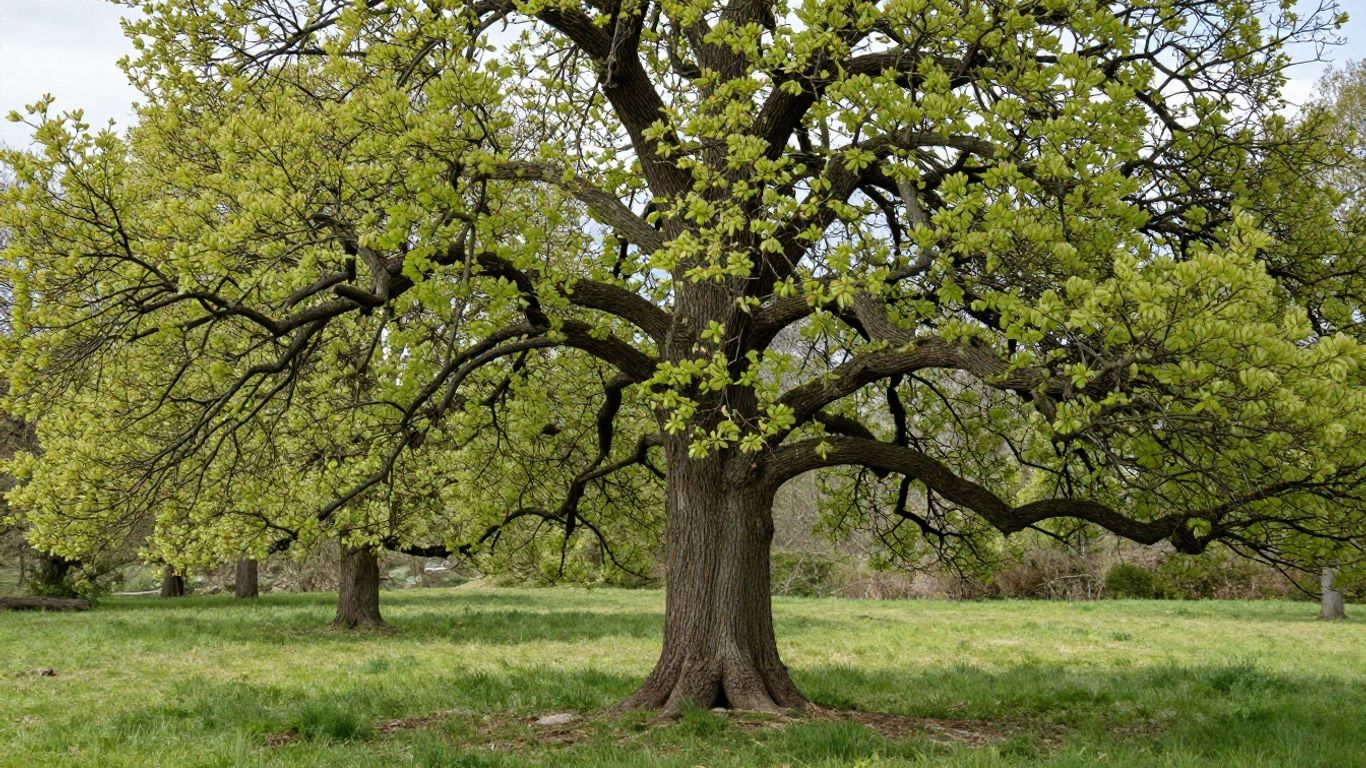
Before the winds pick up, it’s a good idea for us to take a close look at our trees. We want to make sure they’re as ready as they can be for any strong gusts that might come our way this spring here in Sheridan. A healthy tree is a strong tree, and a little inspection now can save us a lot of trouble later.
Identifying Weak Branches
Weak branches are often the first to go when the wind really starts blowing. We should look for branches that are:
- Dead or dying: These are brittle and snap easily. You’ll often see no leaves or discolored bark.
- Diseased or damaged: Look for cracks, splits, or areas where the bark is peeling away unnaturally. Fungus or insect damage can weaken a branch significantly.
- Poorly attached: Branches that grow at narrow angles, especially those with included bark (where the bark seems to be trapped between the branch and the trunk), are weak points. They might look like they’re forming a tight ‘V’ shape.
- Overcrowded: Too many branches growing too close together can rub against each other, causing damage and creating weak spots.
We need to be particularly mindful of branches that extend over roofs, driveways, or areas where people gather. These pose a greater risk if they break.
Recognizing Signs of Disease or Decay
Beyond just looking at branches, we should also check the overall health of the tree. Signs of disease or decay can make a tree much more vulnerable to wind damage.
- Fungal growth: Mushrooms or conks growing on the trunk or major branches are a clear sign of internal decay.
- Holes or cavities: These can indicate insect activity or rot within the tree.
- Unusual sap flow: Excessive or discolored sap oozing from the trunk or branches might signal stress or disease.
- Leaf discoloration or wilting: While some seasonal changes are normal, persistent wilting, yellowing, or spotting on leaves, especially outside of normal seasonal changes, could point to underlying problems.
Sometimes, a tree might look okay from a distance, but up close, we can see subtle signs that it’s not as strong as it appears. Paying attention to these details helps us make better decisions about tree care.
If we notice any of these issues, especially on larger trees or those in prominent locations, it might be time to think about getting some professional help. It’s better to be safe than sorry when it comes to our trees and potential storm damage.
Strategic Pruning For Wind Resistance
When we think about getting our trees ready for the strong winds that Sheridan, CA can get in the spring, pruning is a big part of it. It’s not just about making things look neat; it’s about making the trees stronger and safer. We want to reduce the chances of branches breaking off and causing damage.
Understanding Proper Pruning Techniques
We need to be smart about how we prune. The goal is to remove weak points before the wind finds them. This means looking for branches that are:
- Growing too close together, rubbing and weakening each other.
- Dead or dying, as these are brittle and break easily.
- Diseased or damaged, which compromises their structural integrity.
- Crossing or rubbing against other branches.
- Growing inward towards the center of the tree, which can create a crowded canopy.
The key is to remove weight and improve air circulation through the canopy. This helps the wind pass through the tree more easily, rather than pushing against a solid mass. We should avoid cutting too much at once; a good rule of thumb is not to remove more than 25% of the live canopy in a single year. When making cuts, we need to cut just outside the branch collar, which is the swollen area where the branch meets the trunk. This helps the tree heal properly.
We’re not aiming for a specific shape, but rather for a strong, balanced structure that can withstand gusts. Think of it like thinning out a crowd so people can move more freely.
When To Call Tree Pruning Services Sheridan CA
Sometimes, the job is more than we can handle ourselves, or we’re just not sure if we’re doing it right. That’s when it’s time to bring in the pros. We should consider calling a professional tree service in Sheridan, CA if:
- The branches we need to remove are large or high up in the tree.
- We suspect the tree has significant disease or decay that needs expert assessment.
- The tree is close to power lines or structures, making any mistake potentially dangerous.
- We’re simply not comfortable or confident in our pruning abilities.
Professionals have the right tools, like specialized saws and safety equipment, and they know how to assess a tree’s health and structure. They can identify problems we might miss and prune in a way that promotes long-term tree health and wind resistance. It’s an investment in safety and the longevity of our trees.
Wrapping Up
So, we’ve gone over how to get our trees ready for the wind that comes through Sheridan in the spring. It’s not a super complicated process, but it does take a bit of looking and doing. By taking these steps now, we can help our trees stand up better when those gusts hit. We want our trees to be healthy and strong, and a little bit of work now can make a big difference later on. Let’s all take a look at our trees and give them the best chance to make it through the windy season.
Frequently Asked Questions
How can we tell if our trees are strong enough for windy weather?
We should look closely at our trees for any broken or hanging branches that seem weak. Also, keep an eye out for any signs that the tree might be sick or rotting, like mushrooms growing on the trunk or large cracks. Healthy trees are much better at handling strong winds.
When is the best time to trim our trees to make them wind-proof?
The ideal time to trim is usually in the late winter or early spring, before the trees start growing new leaves and before the windy season really kicks in. This helps us remove any branches that might cause problems during a storm. If we’re unsure about how to trim properly, it’s wise to get help from tree care experts.
What should we do if we find a tree that looks like it might fall?
If we notice a tree that seems unstable, has deep cracks, or is leaning heavily, we should not wait. It’s best to contact a professional tree service in Sheridan, CA, right away. They have the tools and knowledge to safely assess and deal with potentially dangerous trees before they cause damage.
