


When we live in rural areas, we know that fire is a real concern. Our driveways and gates are the main way in and out, and we need to make sure they are safe. This means thinking about the plants and trees around them. We’ll look at how to clear things out to keep our homes and access points safer from fires. It’s about making space so fire has less to burn and can’t spread as easily.
Key Takeaways
- We need to clear vegetation near driveways and gates to create defensible space. This helps slow down fires and gives firefighters a better chance to work.
- Strategic defensible space tree removal is important. We should take out trees that could fall onto our driveways or gates, or those that are too close and could spread fire.
- Keeping up with clearing is key. Regular maintenance, including more defensible space tree removal as needed, helps keep our access points safe year-round.
Clearing Vegetation For Fire Safety
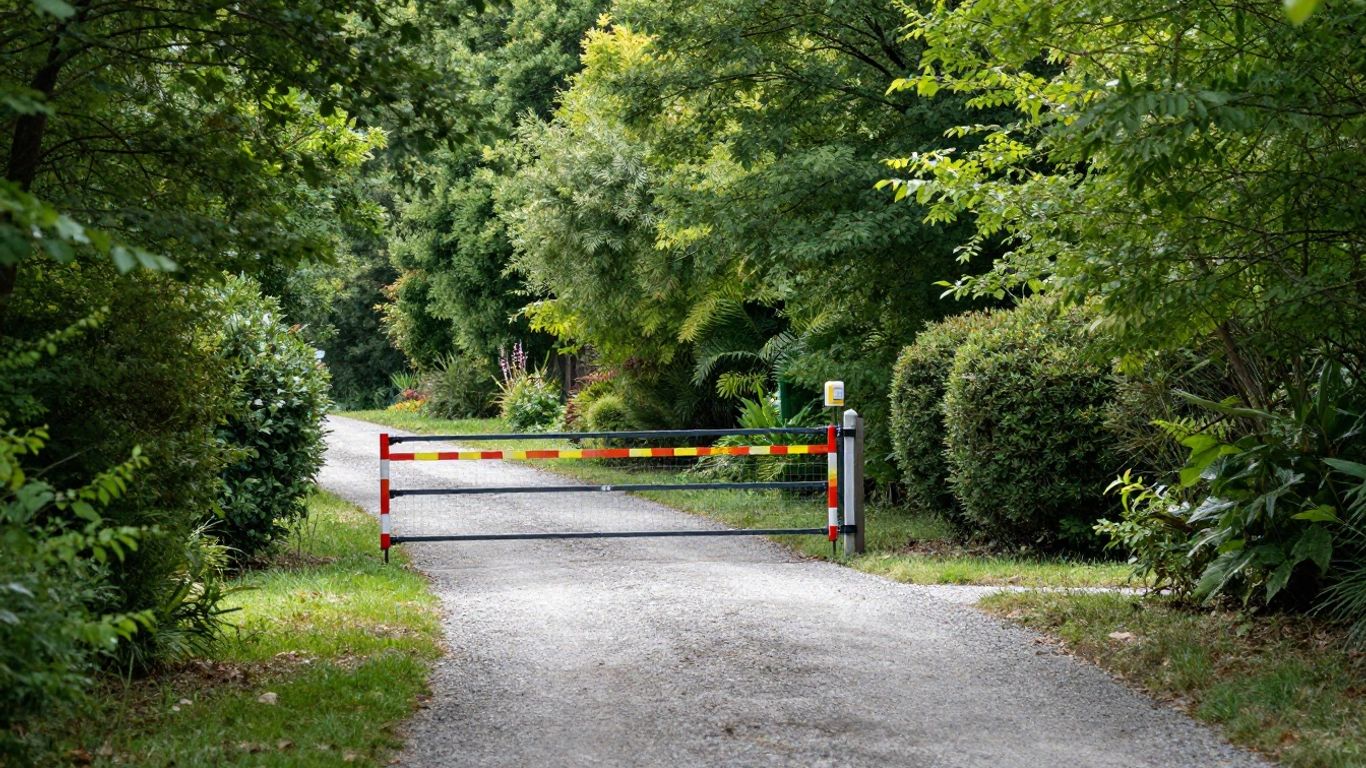
When we talk about fire safety for our rural properties, especially around driveways and gates, clearing vegetation is a big part of it. It’s not just about making things look tidy; it’s about creating a real barrier against wildfire. We need to think about defensible space, which is basically the buffer zone we create between our homes and the flammable vegetation that surrounds them. This space is designed to slow down or stop the spread of fire, giving firefighters a better chance to protect our property.
Understanding Defensible Space Zones
Fire agencies often talk about different zones when it comes to defensible space. We usually break it down into a few key areas, each with its own set of rules for clearing vegetation. The goal is to progressively reduce the amount of fuel available for a fire as it gets closer to our homes.
- Zone 0 (Immediate Zone): This is the area right next to our house, typically extending 0 to 5 feet out. Here, we want almost no flammable materials. Think of it as the ‘ Ember-Resistant Zone.’ We remove all dead vegetation, trim tree branches that overhang the roof, and make sure there’s nothing that can easily catch fire, like dry leaves or mulch right up against the foundation.
- Zone 1 (Intermediate Zone): This zone extends from 5 to 30 feet from the house. We’re still focused on reducing fuel, but it’s more about spacing things out. We want to keep grasses short, remove dead trees and shrubs, and space out living plants so they aren’t clumped together. We also need to make sure tree branches are at least 10 feet from the ground and from other trees.
- Zone 2 (Limited Zone): This is the furthest zone, extending from 30 to 100 feet (or more, depending on the slope and vegetation type). The focus here is on reducing the intensity of a fire. We remove dead trees and brush, thin out dense vegetation, and keep grasses mowed. The idea is to create enough space so that a fire moving through this zone won’t easily jump to Zone 1.
Strategic Tree Removal For Driveways
Our driveways and gates are critical access points, not just for us but especially for emergency responders. Wildfires can spread quickly, and a driveway choked with overgrown trees and brush can become a trap. We need to be smart about how we manage the vegetation along these routes.
- Clearance Width: We need to ensure the driveway itself is clear. This means removing low-hanging branches and vegetation that encroaches onto the driving surface. A good rule of thumb is to have at least 10-12 feet of clear width, and branches should be trimmed up at least 13-15 feet from the ground. This allows vehicles, including fire trucks, to pass without obstruction.
- Reduce Fuel Load: Think about the trees and shrubs next to the driveway. We don’t necessarily need to clear-cut everything, but we do need to reduce the density. Remove dead or dying trees, thin out overgrown bushes, and create space between remaining trees. This prevents a fire from easily traveling along the driveway.
- Visibility at the Gate: The area around the gate needs to be kept clear. Overgrown vegetation can hide the gate, making it hard for firefighters to find or access our property quickly. We should also make sure any signage for our address is visible from the road.
Managing vegetation around our driveways and gates is an ongoing task. It’s not a one-time job. We need to regularly inspect these areas, especially after windy conditions or during dry spells, and do the necessary clearing to maintain that defensible space. It’s a commitment, but it’s one that significantly improves our safety and the ability of emergency services to reach us when we need them most.
Here’s a quick look at what we’re aiming for:
| Zone | Distance from Structure | Key Actions |
|---|---|---|
| Zone 0 | 0-5 feet | Remove all dead vegetation; no flammable mulch; trim overhangs. |
| Zone 1 | 5-30 feet | Space plants; remove dead material; trim branches 10 ft high. |
| Zone 2 | 30-100+ feet | Reduce fuel density; remove dead trees; mow grasses. |
| Driveways | N/A | Clear 10-12 ft width; trim branches 13-15 ft high; reduce roadside fuel. |
Maintaining Your Rural Access Points
We’ve talked about clearing vegetation to make space, but keeping those rural driveways and gates clear is an ongoing job. It’s not a one-time fix; it’s about regular upkeep to make sure we can get in and out, especially when it matters most.
Gate Accessibility And Firefighter Access
Our gates are more than just entryways; they’re critical points for emergency services. Firefighters need to get to our properties quickly, and a stuck or overgrown gate can cause dangerous delays. We need to think about how easy it is for them to open and close our gates, even in a hurry or under stress.
- Check gate latches and hinges regularly. Make sure they aren’t rusted shut or blocked by plants. A quick spray of lubricant can go a long way.
- Consider the width of your gate opening. Is it wide enough for a fire engine or other large emergency vehicles to pass through comfortably?
- Think about the ground leading up to the gate. Is it clear of debris, rocks, or low-hanging branches that could snag a vehicle?
- If you have a locking mechanism, make sure it’s easy to operate and that emergency personnel know how to access it if needed (e.g., a Knox Box or a readily available key).
We must remember that our gates are often the first point of contact for help. Keeping them clear and functional is a direct contribution to our safety and the safety of our neighbors.
Ongoing Defensible Space Tree Removal
Just like with the driveway itself, the vegetation around our gates and along the access road needs constant attention. What looked clear last fall might be overgrown by spring.
Here’s what we should be doing:
- Schedule regular walk-throughs. At least twice a year, walk the length of your driveway and around your gates. Look for new growth, dead branches, or anything that’s encroaching.
- Trim back any branches that hang lower than 13 feet from the ground. This is important for vehicle clearance and also reduces the chance of fire spreading from the ground up into the trees.
- Remove dead or dying trees and shrubs near the access route. These are fuel waiting to ignite.
- Keep the area within 10 feet of the gate itself clear of flammable materials like dry leaves, pine needles, and brush.
It might seem like a lot, but breaking it down into smaller, regular tasks makes it manageable. Our goal is to keep these access points clear and usable all year round.
Wrapping Up: Your Driveway, Your Safety
So, we’ve talked about making sure your driveway and gate area are clear. It’s not just about looks, though a tidy entrance is nice. It’s really about giving yourself and emergency crews a clear path when it matters most. Taking a little time to clear brush, trim trees, and make sure your address is visible can make a big difference. We hope this helps you feel more prepared and secure. Remember, a little effort goes a long way in protecting your home and loved ones.
Frequently Asked Questions
Why is it important to clear plants near our driveway?
Keeping plants away from our driveway is super important for fire safety. Think of it like giving firefighters a clear path to reach our homes quickly if a fire starts. If bushes and trees are too close, they can easily catch fire and spread flames right to our houses. We want to make sure there’s a safe zone, or ‘defensible space,’ so fires don’t get a head start towards us.
How much space should we leave clear around our driveway and gate?
We generally recommend clearing about 10 feet of space on either side of your driveway. For gates, it’s crucial that they open easily without hitting any branches or overgrown plants. This ensures emergency vehicles, like fire trucks, can get through without any trouble. It’s all about making sure we can get help when we need it, and that the help can actually reach us.
What kind of plants should we be careful about?
We should pay extra attention to plants that are dry or dead, as they catch fire more easily. Also, consider trees that have branches hanging low over the driveway or close to the house. Removing these types of plants, or trimming them back, significantly reduces the risk of fire spreading. It’s a good idea to regularly check for any new growth that might be getting too close for comfort.
