


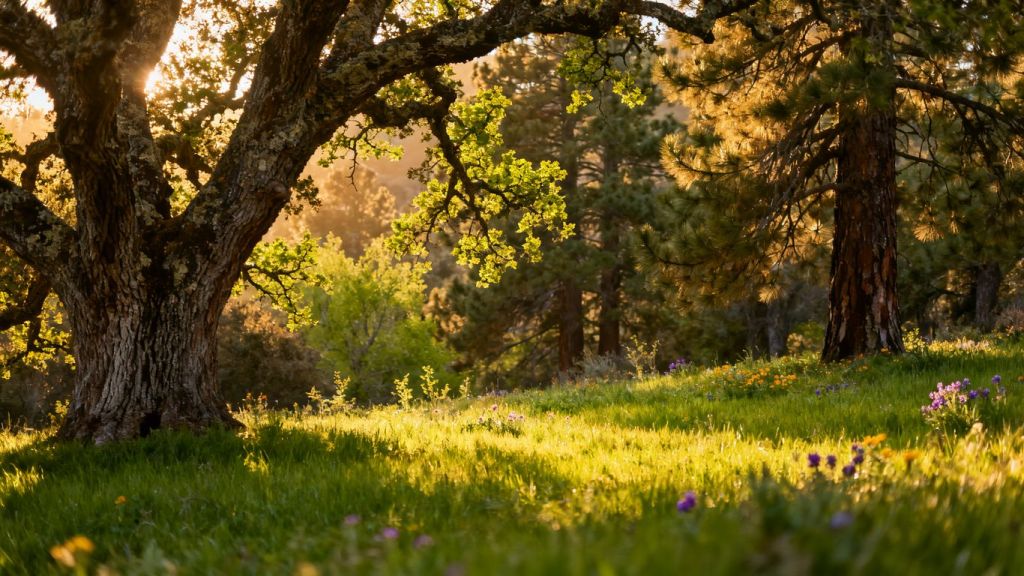
As spring arrives in the Sierra Foothills, it’s a good time to check on our local trees. We want to make sure our oaks and pines are doing well after the winter. A simple tree health assessment can help us spot any problems early. This guide will walk us through what to look for.
Key Takeaways
- For oaks, watch how their leaves are coming in. Are they the right color and size? Also, look for any bugs or signs of sickness on the leaves and branches.
- When checking pines, pay attention to the needles. Are they green and staying on the branches? Check the trunk and limbs for any damage or unusual marks.
- Performing this tree health assessment in spring helps catch issues early, making it easier to help our trees thrive through the growing season.
Spring Tree Health Assessment For Sierra Foothills Oaks
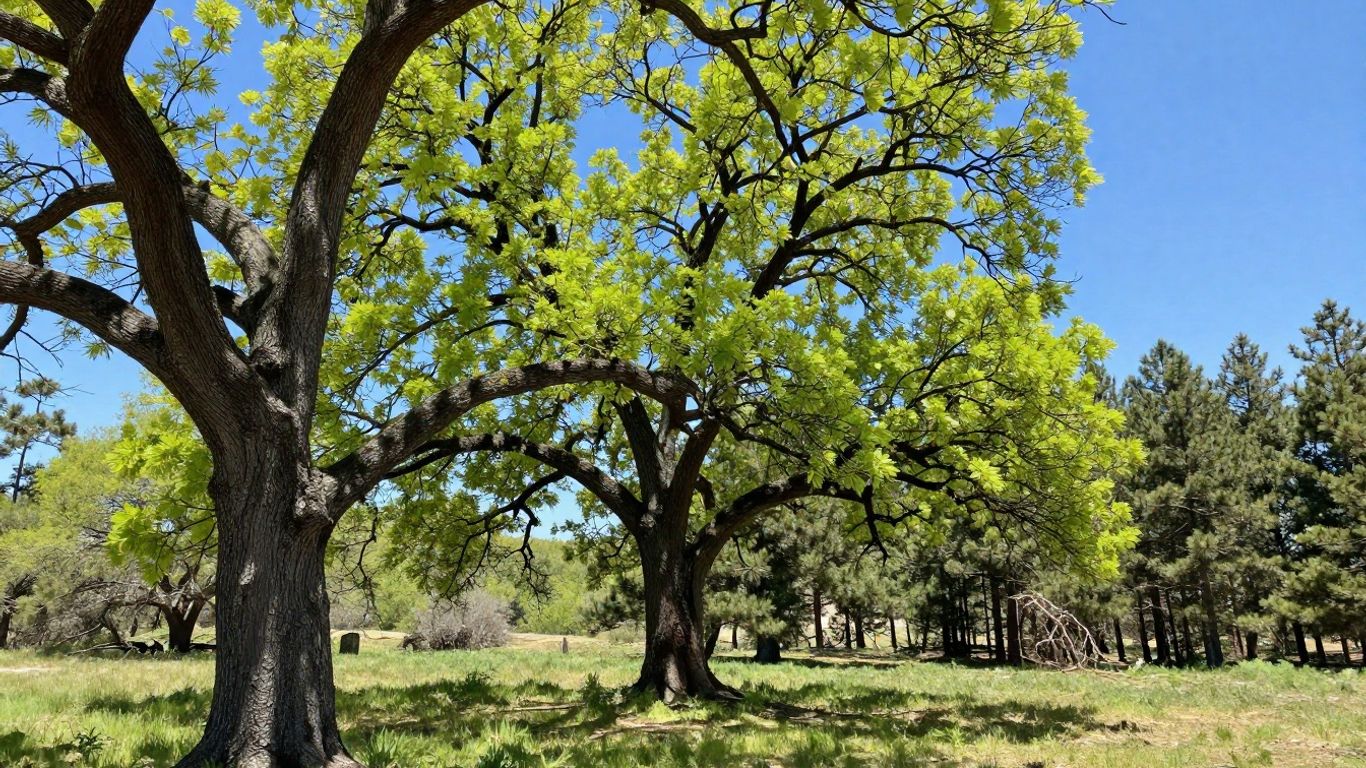
As spring arrives in the Sierra Foothills, it’s a good time to check on our oak trees. We want to make sure they’re starting the growing season off right. A little observation now can help us spot potential problems before they get too serious.
Observing Leaf Development And Color
When we look at our oaks in the spring, the first thing we usually notice is how the leaves are coming in. Are they unfurling nicely? What color are they? Healthy new leaves should be a vibrant green. If we see leaves that are stunted, discolored, or just not opening up properly, it could mean something’s up. Sometimes, it’s just a late frost, but other times it might point to a deeper issue like poor soil conditions or even a pest problem starting early.
Here’s a quick way to assess leaf development:
- New Growth: Look for small, tightly furled leaves or buds that are just starting to open.
- Leaf Size: Compare the size of the new leaves to mature leaves from last year. Are they roughly the same size, or much smaller?
- Coloration: Healthy new leaves are typically a bright, light green. Any significant browning, yellowing, or spotting needs a closer look.
- Uniformity: Are the leaves developing evenly across the tree, or are some branches lagging behind?
We should also keep an eye out for any signs of leaf scorch, which can look like brown, dry edges on the leaves. This can happen from a variety of things, including drought stress or even certain diseases.
Checking For Signs Of Pests And Diseases
Beyond the leaves, we need to look for any unwelcome visitors or signs of sickness. Spring is when many pests become active, and diseases can start to show themselves. We’re looking for anything out of the ordinary.
- Insects: Check the twigs, buds, and undersides of leaves for small insects. Look for things like aphids, scale, or tiny caterpillars. Sometimes, you’ll see sticky residue (honeydew) left behind by some of these pests.
- Fungal Spots: Are there any unusual spots or blotches on the leaves? Some fungal diseases can appear as small, dark spots, sometimes with yellow halos.
- Galls: These are abnormal growths on leaves, twigs, or branches. While many galls are harmless, a large number can indicate stress or a specific pest.
- Wood Decay: Inspect the trunk and larger branches for any soft, crumbly, or discolored areas that might suggest rot. Look for mushrooms or fungal growth on the bark.
It’s important to remember that not every little spot or bug means disaster. Oaks are tough trees, and they can often handle minor issues. However, a widespread problem or a combination of several small issues could weaken the tree, making it more vulnerable to bigger problems down the line. We’re looking for patterns and severity.
If we find anything concerning, like a heavy infestation of a particular pest or widespread signs of disease, it’s a good idea to take a picture and maybe consult with a local arborist or the county extension office. They can help identify the specific problem and suggest the best course of action for our foothill oaks.
Pine Tree Health Assessment In The Sierra Foothills
As spring arrives in the Sierra Foothills, it’s time to give our pine trees a good look-over. We want to make sure they’re ready for the warmer months ahead.
Evaluating Needle Condition And Retention
First, let’s focus on the needles. Healthy pines should have a good amount of green needles, and they shouldn’t be dropping excessively. We’re looking for signs of stress or damage that might have occurred over the winter.
- Check for browning or yellowing needles: While some older needles naturally shed in the fall, widespread browning on new growth is a concern. This could point to water issues or nutrient deficiencies.
- Look at needle retention: Most pine species keep their needles for several years. If a tree seems to be losing a lot of needles, especially younger ones, it’s worth investigating further.
- Inspect for needle cast: This is a fungal disease that causes needles to turn brown and drop prematurely. You might see small black dots on the needles, which are the fungal fruiting bodies.
Identifying Trunk And Branch Issues
Next, we’ll move on to the trunk and branches. These are the main structural parts of the tree, and problems here can be serious.
- Examine the bark: Look for any cracks, peeling, or unusual sap flows. Small amounts of sap are normal, but excessive oozing or sticky patches could indicate insect activity or disease.
- Check for cankers: These are sunken or swollen areas on the bark, often discolored. They can be a sign of fungal or bacterial infections that are damaging the tree’s tissues.
- Inspect branches for dieback: Are there dead or broken branches? Pruning these away is important for the tree’s overall health and to prevent further spread of any issues.
We should pay close attention to any sticky residue or sawdust-like material around the base of the tree or on branches. This often signals the presence of boring insects, which can weaken the tree significantly if left unchecked. Early detection is key to managing these pests effectively.
We’re essentially looking for anything out of the ordinary that suggests the tree isn’t thriving. A healthy pine in spring should look vigorous, with good needle color and a solid structure. If we spot something concerning, it’s better to address it sooner rather than later.
Wrapping Up Our Spring Tree Check
So, we’ve gone through what to look for with our oaks and pines this spring. It’s not too complicated, really. Just a bit of looking around your trees, noticing any changes. We hope this guide helps you keep an eye on things. Remember, a healthy tree is a happy tree, and these foothills are better with them. If you see something worrying, it’s always best to get a professional opinion. We’ll be back with more tips soon.
Frequently Asked Questions
What should we look for when checking our oak leaves in the spring?
We should pay close attention to how the leaves are growing and what color they are. Healthy oak leaves in spring should be a vibrant green and look like they’re opening up nicely. If they seem to be struggling to open, are a pale or yellow color, or have spots, it might mean there’s an issue we need to investigate further.
How can we tell if our pine trees have problems with their needles?
When assessing pine trees, we want to examine their needles. Are they mostly green and sticking around, or are many of them turning brown and falling off too early? A few brown needles are normal, especially on older parts of the tree, but widespread browning or needles that fall off easily could signal stress or disease.
Are there specific signs on the trunk or branches that indicate a problem for our pine trees?
Yes, we should definitely inspect the trunk and branches. Look for any oozing sap, unusual holes that might suggest insects are burrowing, or cracks and dead sections. These can be clues that the tree is facing challenges, like pest infestations or damage from weather, that could weaken it over time.
