


We all want our homes to be safe and sound, and that includes the trees in our yards. Sometimes, trees can look a bit rough, and it’s hard to tell if they’re just having a bad day or if they’re actually a problem waiting to happen. We’ve put together some pointers to help you spot trees that might be a risk, so you can take action before something bad occurs. Knowing what to look for can save you a lot of trouble down the line, and sometimes, it means knowing when it’s time to call in the pros for tree removal service.
Key Takeaways
- Watch for clear signs of trouble on your trees, like cracks, rot, or branches that look out of place. These can be early warnings.
- Check the tree’s base and how it stands. A wobbly root system or a noticeable lean means the tree might not be stable.
- If a tree looks like it’s about to fall, has large dead branches, or is leaning heavily, it’s time to think about a professional tree removal service to handle it safely.
Recognizing Signs of Tree Distress
Sometimes, trees give us clues that they aren’t doing so well. We just need to know what to look for. Paying attention to these signs can help us spot problems before they become serious hazards.
Visible Damage and Decay
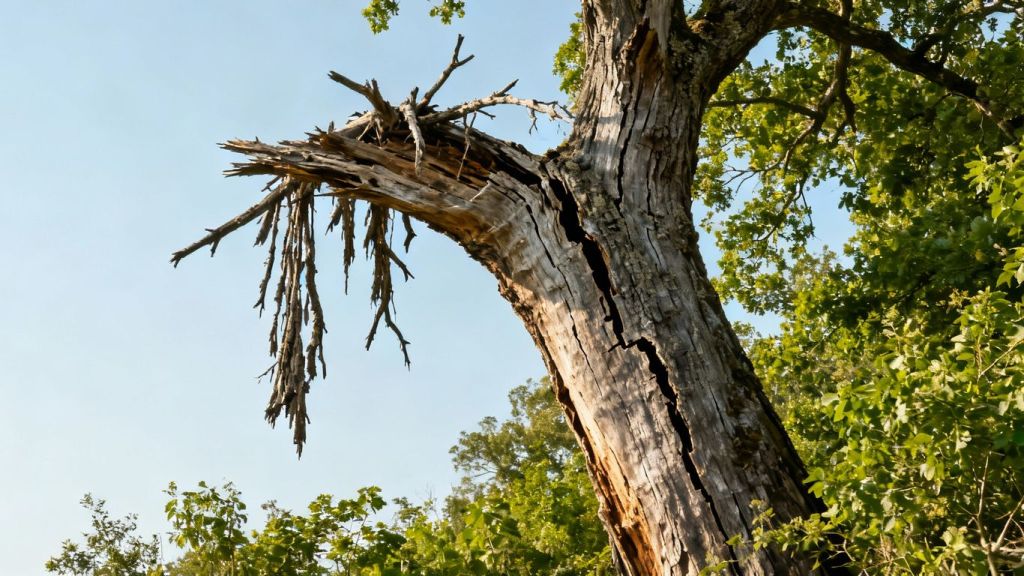
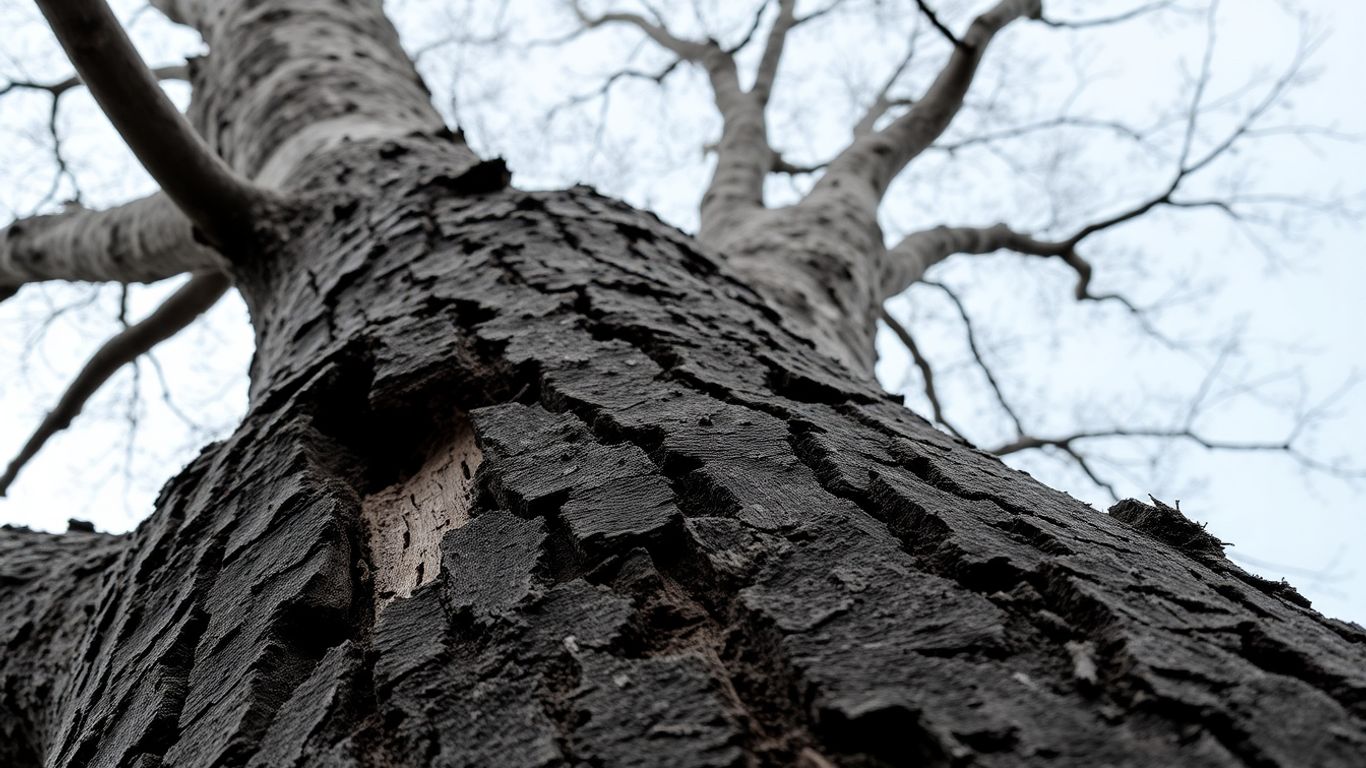
One of the most obvious indicators of a tree in trouble is physical damage. We should check for cracks in the trunk or major branches. These can be from storms, impacts, or even just age. Look closely for fungal growth, like mushrooms or conks, on the bark or at the base of the tree. This often means there’s rot happening inside. Also, keep an eye out for dead branches, especially those that are large or in the upper canopy. They might snap off in windy conditions. We’ve seen trees that look okay from a distance, but up close, you can see hollows or soft spots in the wood. That’s a big red flag.
- Deep cracks or splits in the trunk or branches.
- Presence of mushrooms, conks, or other fungal bodies on the bark or at the base.
- Dead branches, particularly large ones, that are brittle or lack leaves when they should have them.
- Cavities or soft, punky wood visible on the trunk or limbs.
Unusual Growth Patterns
Trees can also show distress through how they grow. If a tree suddenly starts growing in a strange way, it might be a sign of stress. We’ve noticed that trees under pressure sometimes develop weak attachments between branches and the trunk. Look for branches that grow straight up from the trunk, almost parallel to it, or branches that form tight ‘V’ shapes instead of wider ‘U’ shapes. These narrow crotches are weak points. Also, if a tree has a lot of epicormic sprouts, which are small shoots growing directly from the trunk or main branches, it can indicate the tree is stressed and trying to survive. It’s like it’s panicking.
Sometimes, a tree’s appearance can be deceiving. A tree that looks full of leaves might still have serious internal issues that aren’t visible from the ground. It’s always best to be thorough in our inspection.
- Branches with narrow, tight crotches (V-shaped) instead of wide, U-shaped ones.
- Sudden appearance of many small shoots (epicormic sprouts) along the trunk or main branches.
- Uneven or lopsided canopy development without a clear cause like pruning.
- Bark that is peeling excessively or has large missing sections.
Assessing Tree Stability and Risk Factors
Okay, so we’ve looked at the obvious signs of trouble, like cracks and fungus. Now, let’s get into how stable the tree actually is. This is where we really start thinking about whether it’s a danger to our homes or just having a bad hair day. We need to consider what’s happening underground and how the tree is standing.
Root System Integrity
The roots are like the tree’s foundation. If they’re not healthy, the whole thing can go. We’re looking for any signs that the roots are compromised. This could be anything from exposed roots to soil heaving around the base.
- Exposed Roots: Sometimes, erosion or digging can leave roots sticking out. If a lot of the main roots are visible, it’s a red flag.
- Soil Heaving: See that mound of soil pushed up around the trunk? That often means the roots underneath are lifting or shifting, which isn’t good.
- Fungal Growth at the Base: Mushrooms or other fungi growing right where the trunk meets the ground can signal rot in the root system.
- Cracks in the Ground: If you see cracks radiating out from the base of the tree, especially after heavy rain or wind, it might mean the soil is unstable and the roots aren’t holding it.
Lean and Inclination
We all lean a bit sometimes, but a tree that’s leaning significantly, especially if it’s a recent change, needs a closer look. A slight, natural curve is usually fine, but a dramatic tilt can mean trouble.
- Sudden Lean: Did the tree just start leaning over the past few weeks or months? This is way more concerning than a tree that’s always been a bit crooked.
- Lean Towards Structures: If the tree is leaning towards your house, garage, or a neighbor’s property, the risk is obviously higher.
- Cracks in the Trunk Associated with Lean: Sometimes, you’ll see cracks on the side of the trunk that’s being pulled away from. This is a sign of stress.
We should also pay attention to the soil around the base. If the ground looks like it’s been pushed up or is sinking on one side, that’s a pretty clear indicator that something’s going on with the roots and the tree’s stability.
When we assess a tree’s lean, it’s not just about the angle. We need to consider the soil conditions, the species of the tree, and whether the lean has changed over time. A tree that’s always had a slight bend might be perfectly fine, but a new, pronounced lean is a serious warning sign that we shouldn’t ignore.
Here’s a quick way to think about it:
| Observation | Potential Risk Level | What to Look For |
|---|---|---|
| No visible root issues | Low | Healthy soil, no heaving, no exposed major roots |
| Minor root exposure | Medium | Some smaller roots visible, soil slightly disturbed |
| Significant root exposure | High | Large roots exposed, soil heaving, fungal growth |
| No noticeable lean | Low | Tree stands upright |
| Slight, long-standing lean | Medium | Tree has always been this way, no new cracks |
| Sudden or severe lean | High | New tilt, cracks in trunk, soil pushed up on one side |
Basically, if the tree looks like it’s struggling to stay upright, or if its foundation seems shaky, it’s time to be extra cautious.
When to Call a Professional Tree Removal Service
Sometimes, even after we’ve done our best to assess a tree, the situation calls for someone with more specialized tools and knowledge. We’ve covered a lot of ground on identifying potential problems, but knowing when to hand over the reins is just as important. Don’t hesitate to bring in the pros if you’re unsure or if the situation looks serious.
Signs Requiring Immediate Attention
There are certain red flags that mean you should stop what you’re doing and call a certified arborist or tree removal service right away. These aren’t issues you want to put off or try to fix yourself.
- Sudden or rapid changes: If a tree that looked fine yesterday suddenly has a large crack, is leaning significantly more, or has dropped a lot of branches, it’s an emergency.
- Visible structural compromise: Think large, deep cracks in the trunk or main branches, or signs of the tree separating from itself.
- Proximity to structures or high-traffic areas: If a tree is leaning towards your house, garage, or a busy sidewalk, and it shows signs of instability, the risk is immediate.
- Extensive root exposure or damage: If you can see large roots that are broken, rotted, or if the ground around the base is significantly disturbed, the tree’s anchor is failing.
Preventative Measures and Maintenance
While some situations demand immediate action, regular check-ups and maintenance can prevent many problems from becoming emergencies. Think of it like getting regular check-ups for your car; it saves you headaches down the road.
- Scheduled Inspections: We recommend having a professional look at your trees every few years, especially mature or large ones. They can spot issues we might miss.
- Pruning: Proper pruning by an arborist can remove dead or weak branches before they fall and can help shape the tree for better stability.
- Soil and Root Care: Sometimes, issues with the soil or root system can be addressed with proper mulching or soil amendments, which a professional can advise on.
It’s easy to underestimate the potential danger a tree can pose. What might seem like a minor issue to us could be a sign of a much larger problem that could lead to property damage or injury. When in doubt, always err on the side of caution and get a professional opinion. They have the training to assess risk accurately and the equipment to handle dangerous situations safely.
Here’s a quick look at when professional help is usually needed:
| Situation | Our Assessment | Professional Needed? | Notes |
|---|---|---|---|
| Large, dead branches | Might fall in high winds | Yes | Risk of damage to property or injury. |
| Significant trunk lean | Tree may be unstable | Yes | Especially if the lean has increased recently or roots are exposed. |
| Visible decay or cavities | Weakens the tree’s structure | Yes | Can hide internal rot and make the tree prone to breaking. |
| Storm damage | Broken limbs, uprooted appearance | Yes | Immediate assessment needed to mitigate further damage or hazards. |
Wrapping Up Our Tree Talk
So, we’ve gone over a few things to look out for when it comes to trees around our homes. It’s not about being scared of every branch, but more about being aware. Taking a little time to check on your trees, especially after a big storm, can save a lot of trouble down the road. If something looks off, don’t just ignore it. It’s usually better to get a professional opinion. We’re not arborists, and that’s okay. Knowing when to call one is part of taking good care of our property. Let’s keep our yards safe and our trees healthy.
Frequently Asked Questions
What are the most obvious signs that a tree might be in trouble?
We often look for visible trouble spots. Things like large cracks in the trunk, mushrooms growing at the base, or branches that are dead and brittle are big red flags. If we see a lot of peeling bark or hollow-sounding spots when we tap the trunk, that also tells us something might be wrong.
How can we tell if a tree’s roots are causing a problem?
Checking the roots is important. If we notice roots that are raised way out of the ground, or if there are signs of rot or damage near where the tree meets the soil, it’s a concern. Sometimes, construction or digging nearby can also harm the root system, making the tree less stable.
When should we absolutely get an expert to look at our trees?
We should call an expert right away if a tree is leaning a lot, especially if it’s leaning towards a house or a busy area. Also, if we see large dead branches that could fall, or if a tree has been hit hard by a storm, it’s best to get professional advice to make sure everyone stays safe.
