


We often think about planting trees for wildlife, but what about the trees we already have? It turns out, how we manage them matters a lot. By doing some careful tree pruning for wildlife, we can actually make our forests better places for animals to live and find food. It’s not just about making things look neat; it’s about creating a healthier environment for all sorts of creatures. We’ll look at how simple cuts can make a big difference.
Key Takeaways
- We can shape forest layers by pruning trees. This helps create different spaces for animals, from the ground up to the treetops.
- Cutting branches the right way can make more food available. Think fruits and seeds that birds and mammals eat.
- Tree pruning for wildlife can also make better homes. We can create or improve places for animals to nest or shelter.
Enhancing Forest Structure Through Strategic Tree Pruning
We often think of pruning as just tidying up trees, but for wildlife, it’s much more. It’s about shaping the forest itself. By carefully removing branches, we can actually change how the forest grows, making it a better place for all sorts of creatures.
Creating Diverse Canopy Layers with Tree Pruning for Wildlife
The forest canopy, that leafy ceiling high above, plays a big role in what lives below. A dense, uniform canopy can block out light, making it hard for smaller plants to grow. This means less food and fewer places to hide for many animals. We can change this by pruning.
- Selective thinning of dominant trees: Removing some of the tallest trees, or thinning out their upper branches, lets more sunlight reach the forest floor. This is key.
- Creating openings: Small, scattered clearings in the canopy can encourage a variety of plant life to sprout.
- Managing tree height: Pruning the tops of certain trees can prevent them from completely dominating the space, allowing shorter trees and shrubs to thrive.
This approach helps build a layered forest. Think of it like building floors in a house. We want a ground floor with low shrubs, a middle floor with smaller trees and vines, and then the upper canopy. Each layer provides different benefits.
A varied canopy structure means more niches for wildlife. Different birds prefer different heights for nesting, and many mammals use lower branches or dense undergrowth for shelter and foraging.
Promoting Understory Growth via Selective Branch Removal
Once we start letting light into the lower parts of the forest, we need to think about what grows there. Selective branch removal, especially from the lower parts of trees and shrubs, is how we encourage this understory. It’s not just about cutting; it’s about making smart choices.
- Removing competing lower branches: If a young tree or shrub is being crowded out by lower branches of a larger tree, we can prune those branches. This gives the smaller plant a chance.
- Pruning for light penetration: Sometimes, we need to remove branches that are just shading out everything beneath them, even if they aren’t the highest branches. This is especially true for shade-intolerant species we want to encourage.
- Encouraging shrubby growth: For some species, pruning back older stems can stimulate new, vigorous growth from the base, creating denser thickets that are great for cover.
We’ve seen that this kind of work can really change the game for ground-dwelling birds and small mammals. They need that dense vegetation for protection from predators and for finding insects and seeds. It’s a direct link between our pruning actions and the well-being of the forest’s smaller inhabitants.
Optimizing Food Sources and Shelter with Tree Pruning for Wildlife
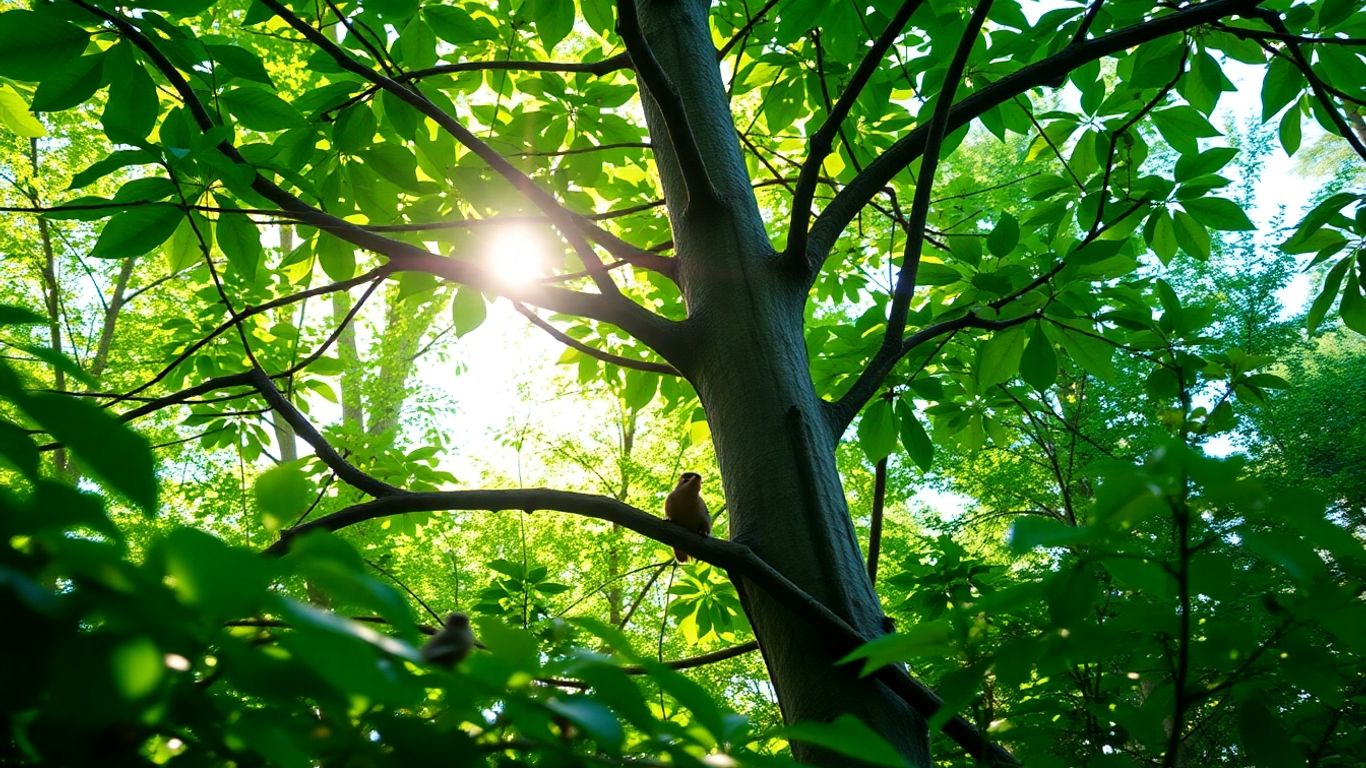
When we think about managing land for wildlife, we often focus on planting new trees or leaving areas wild. But sometimes, the best approach involves a bit of careful pruning. By strategically trimming trees, we can actually make our forests more productive for the animals that live in them, providing better food and safer places to rest and raise their young.
Encouraging Fruiting and Seed Production with Targeted Pruning
Many trees produce fruits, nuts, or seeds that are vital food sources for a wide range of wildlife, from birds and squirrels to deer and bears. Pruning can help these trees put more energy into producing these valuable resources. When we remove dead, diseased, or overcrowded branches, the tree doesn’t have to waste energy on them. This allows the tree to direct more resources to developing healthy flowers, fruits, and seeds.
- Sunlight is key: Pruning can open up the canopy, allowing more sunlight to reach the lower branches where fruits and seeds are often produced. This is especially true for species that need good light to fruit well.
- Stimulating growth: On some species, like certain oaks or hickories, making a cut can actually encourage the tree to produce more nuts in the following years as a response.
- Timing matters: The best time to prune for fruit and seed production varies by species. Generally, pruning during the dormant season (late winter or early spring before new growth starts) is best for most fruit and nut trees.
We’ve seen good results with apple trees, for instance. By removing crossing branches and thinning out the crown, we’ve noticed a significant increase in the number of apples produced, which then feeds a lot of local bird populations.
Improving Den and Nesting Opportunities with Tree Pruning
Beyond food, wildlife needs safe places to live, raise their young, and escape predators. Tree pruning can create or improve these critical shelter spots. Think about cavities in older trees – these are prime real estate for owls, woodpeckers, bats, and small mammals. While we don’t want to damage healthy trees, pruning can sometimes help create these features or make existing ones more accessible and secure.
- Creating snags: Sometimes, we might selectively remove a live limb from a mature tree in a way that encourages decay in that area over time, eventually leading to a snag. Snags are dead trees or standing dead portions of a tree that provide homes for many species.
- Opening up cavities: If a tree already has a natural cavity, pruning away surrounding branches can make the entrance more visible and less obstructed, making it more attractive to cavity-nesting birds or mammals.
- Promoting dense cover: Pruning lower branches on certain shrubs or trees can encourage denser growth at the base, providing better cover for ground-nesting birds or small mammals seeking protection.
We’ve found that leaving some older, larger trees with natural imperfections, like broken limbs or hollows, can be incredibly beneficial. These aren’t necessarily trees we’d prune for timber, but for wildlife, they are gold mines. A well-placed pruning cut, even on a younger tree, can sometimes direct growth in a way that will eventually lead to a good den site as the tree matures.
Consider the impact on different species. For woodpeckers, we might leave some dead branches on a living tree to encourage insect populations, which they feed on. For squirrels, we might prune to ensure a clear path to a known den tree or to reduce competition for resources around it. Thoughtful pruning is about creating a more complex and supportive habitat structure.
Wrapping Up
So, we’ve looked at how trimming trees can really help out the local wildlife. It’s not just about making things look neat; it’s about giving birds, insects, and other critters better places to live and find food. We can all do our part, even with just a few well-placed cuts. Think about your own yard or local park. A little pruning here and there might make a big difference for the animals around us. Let’s try to be more mindful of how our actions affect the natural world right outside our doors. It’s a simple way to support biodiversity, and honestly, it feels pretty good to know we’re helping out.
Frequently Asked Questions
Why would we cut branches off trees to help animals?
We prune trees to make forests better homes for wildlife. Sometimes, cutting certain branches can help the forest grow in a way that creates more food and safe places for animals to live and raise their young. It’s like tidying up a room to make it more comfortable for visitors.
How does cutting branches help plants grow underneath the trees?
When we trim branches from the lower parts of trees, we let more sunlight reach the ground. This extra light helps smaller plants, like bushes and wildflowers, grow better. These plants are important food sources for many animals, and they also provide cover.
Can pruning trees really make more food for animals?
Yes, it can! By carefully pruning, we can encourage trees to produce more fruits, nuts, and seeds. We might also trim branches to help trees that are struggling to grow, making them healthier and more productive. This means more food is available for birds, squirrels, and other critters.
