


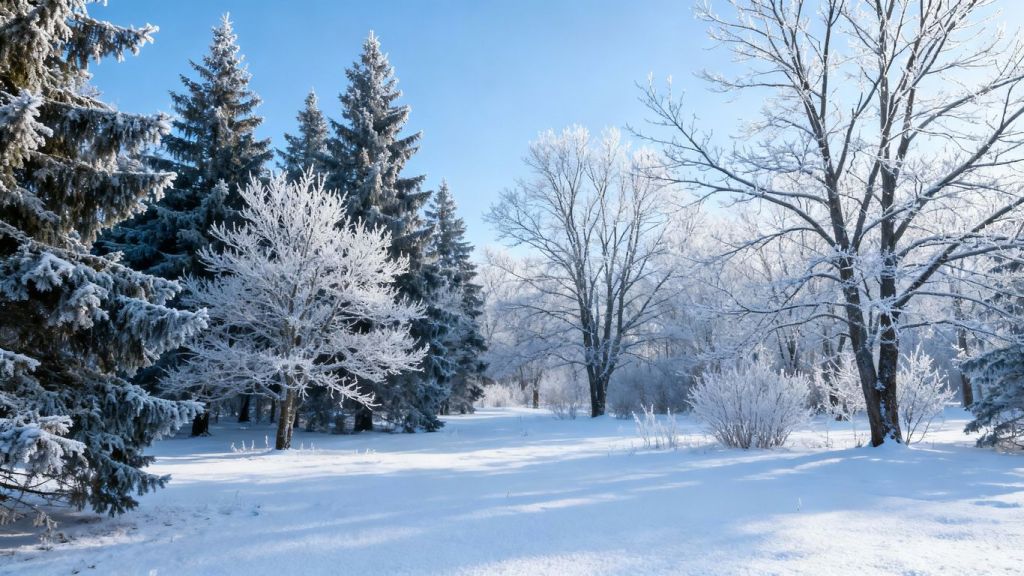
We’ve been thinking about how to make our yards look good even when it’s cold out. It’s easy to forget about the garden when the snow starts falling, but with the right plants, we can have a landscape that stays interesting all year. We’ll look at some trees that can handle the cold and still look nice, giving our yards some character when we need it most. We also need to think about the future, like when we might need tree removal services, so we pick wisely now.
Key Takeaways
- Choosing evergreen trees gives our yards color and shape throughout the winter months. We can pick from different types of conifers and broadleaf evergreens for varied looks.
- Deciduous trees can add a lot to our yards in winter too, especially those with cool bark or interesting branch shapes. They give the landscape structure.
- When picking trees, it’s smart to think ahead about potential future needs, such as needing tree removal services. This helps us make better choices for our landscape’s long-term health and our own convenience.
Selecting Evergreen Trees For Year-Round Appeal
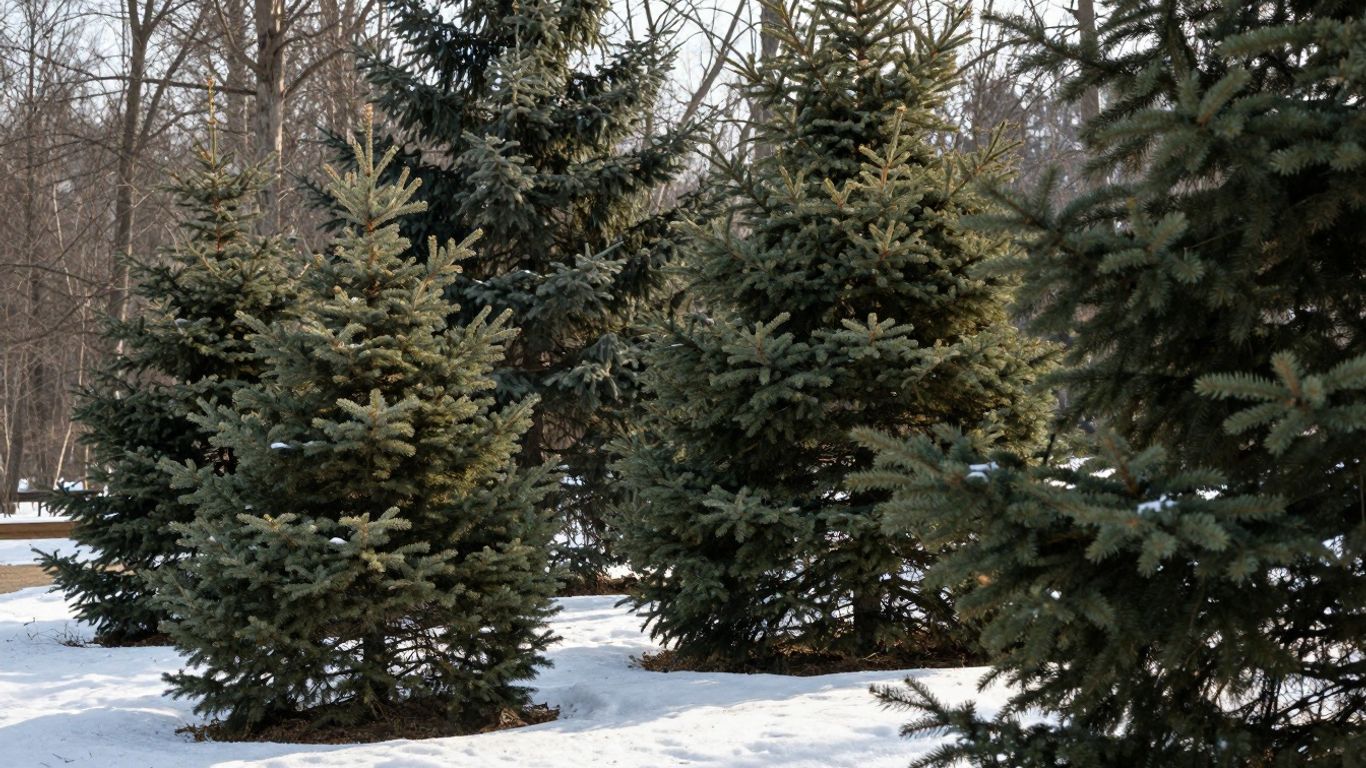
When we think about a landscape that looks good even when the snow is flying, evergreens are the first thing that comes to mind. They give us color and structure when everything else has gone dormant. It’s not just about the classic pine or spruce, though. There’s a whole world of evergreen options that can really make our yards interesting all year long.
Conifers That Withstand Harsh Winters
Conifers are our go-to for winter resilience. They keep their needles, which are often tough and waxy, helping them hold up against freezing temperatures and drying winds. We need to pick varieties that are known to do well in our specific climate zone. Some might look pretty in the nursery, but they just won’t make it through a tough winter here.
- Arborvitae (Thuja): Many varieties are super hardy. ‘Emerald Green’ is popular for its upright shape, and ‘Green Giant’ grows fast and gets big. They’re pretty forgiving.
- Spruce (Picea): Colorado Blue Spruce is a classic for a reason, with its striking blue-green color. Serbian Spruce is a bit more graceful and can handle some tough conditions.
- Pine (Pinus): Eastern White Pine is a native that’s quite tough. For something a bit more compact, consider Mugo Pine, which stays shrub-like.
- Fir (Abies): Balsam Fir has that traditional Christmas tree look and a nice scent. Some of the native firs are also very well-adapted.
We should always check the mature size of any conifer we’re considering. A small tree can quickly become a giant, and we don’t want it crowding out other plants or becoming a hazard later on. Choosing the right conifer means balancing its winter appeal with its long-term growth habit.
It’s easy to get caught up in the immediate beauty of a young evergreen, but a little foresight goes a long way. Thinking about how it will look in 10, 20, or even 30 years is key to avoiding future problems and ensuring our landscape stays beautiful without becoming unmanageable.
Broadleaf Evergreens for Added Texture
While conifers are the backbone, broadleaf evergreens add a different kind of texture and interest. These are plants that keep their leaves through winter, but their leaves are typically flatter and wider than needles. They can soften the look of the landscape and provide a nice contrast.
- Rhododendrons and Azaleas: Some varieties are surprisingly hardy and keep their leaves. Look for ones specifically bred for colder climates. They offer beautiful spring flowers too.
- Holly (Ilex): Many hollies are evergreen and offer bright red berries in winter, which are great for wildlife. ‘Blue Princess’ and ‘Blue Prince’ are popular choices that need a pollinator.
- Boxwood (Buxus): A classic for formal gardens, boxwood stays green and can be shaped. It’s a bit slower growing but very reliable.
- Mahonia (Oregon Grape): This one has interesting, holly-like leaves and often yellow flowers in late winter or early spring. It’s quite tough.
These plants can sometimes be more sensitive to harsh winter winds than conifers, so we might need to give them a bit of protection, especially when they’re young. Planting them in a spot that’s somewhat sheltered can make a big difference. We also need to be mindful of their soil preferences; some like it acidic, others are more adaptable.
Deciduous Trees Offering Winter Interest And Structure
While evergreens give us color all year, deciduous trees really shine in winter by showing off their bones. We often think of them as bare and dormant, but that’s when their true structure and character come into view. It’s a different kind of beauty, one that speaks to resilience and the promise of spring.
Trees With Striking Bark and Form
When the leaves drop, the bark and branching patterns become the main attraction. Some trees have bark that’s smooth and colorful, while others have rough textures or interesting peeling qualities. The way the branches grow – whether they’re upright, spreading, or weeping – creates a silhouette that can be quite dramatic against a snowy backdrop.
Here are a few types we often consider:
- Paperbark Maple (Acer griseum): Known for its peeling, cinnamon-colored bark that reveals lighter shades underneath. It’s a real showstopper.
- River Birch (Betula nigra): Offers attractive, exfoliating bark in shades of salmon, cream, and brown. It adds a lot of texture.
- Eastern Redbud (Cercis canadensis): While famous for its spring flowers, its zig-zag branching pattern provides a unique, almost artistic form in winter.
- Hornbeam (Carpinus spp.): Many varieties have smooth, gray bark and a dense, upright branching habit that looks good even without leaves.
Choosing a tree with interesting bark or a distinctive shape can transform a winter landscape from drab to dynamic.
Considering Future Tree Removal Services Needs
It’s not just about looks, though. We also have to think practically about how trees grow and what that means down the line. Sometimes, a tree that looks great now might become a problem later. We want to pick trees that, with proper care, won’t require frequent, costly removal services.
Here are some points to keep in mind:
- Growth Habit: Does the tree grow too large for its space? Does it have weak branches that break easily in storms?
- Root System: Some trees have aggressive roots that can damage foundations or sidewalks. We need to consider where we’re planting.
- Disease and Pest Susceptibility: A tree that’s prone to problems might decline and eventually need removal. Picking resistant varieties saves trouble.
- Maintenance: Some trees require regular pruning to maintain their shape or health. We should be realistic about the time and effort we can commit.
When selecting deciduous trees, we aim for varieties that offer visual appeal throughout the year, especially during the winter months. This involves looking beyond the summer foliage to appreciate the bark, branching structure, and overall form. Equally important is considering the tree’s mature size, growth habits, and potential maintenance needs to avoid future complications and unnecessary expenses related to tree removal.
Thinking ahead about these factors helps us make choices that benefit our landscape for years to come, ensuring we don’t create future headaches for ourselves or our neighbors.
Wrapping Up Our Winter Tree Choices
So, we’ve looked at a bunch of trees that can handle the cold and keep things looking good even when the snow flies. Picking the right ones for our yards means we won’t have to worry as much when winter hits hard. It’s about making smart choices now so we can enjoy our outdoor spaces all year round, no matter the weather. Think about what you want your yard to look like in January and February, and then go from there. A little planning goes a long way in creating a landscape that’s tough and beautiful, season after season.
Frequently Asked Questions
What kind of trees stay green even when it’s freezing cold?
We often choose evergreen trees for our yards because they keep their leaves, or needles, all year long. Think of pine trees or fir trees; they’re great at handling chilly weather and snow. Some broadleaf evergreens, like rhododendrons, can also add different shapes and colors to our landscape when everything else is bare.
Are there trees that look good in winter even without leaves?
Absolutely! We can pick trees that have interesting bark or cool shapes. For example, some birch trees have white, peeling bark that really stands out against the snow. Others, like certain maples, have twisted branches that create a unique silhouette. These trees give our yards structure and beauty even in the coldest months.
How do we pick trees that won’t cause problems later on?
When we’re selecting trees, it’s smart to think about how big they’ll get and if they might need to be taken down someday. We look for trees that grow well in our area and won’t become a hazard. This way, we might avoid needing costly tree removal services down the road. It’s all about planning for the future of our garden.
