


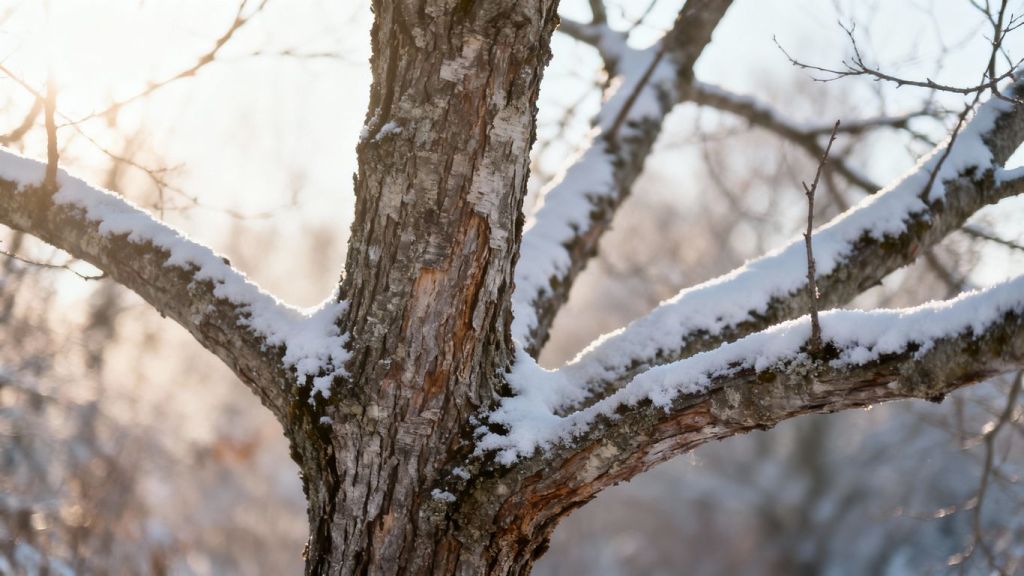
As winter approaches, it’s a good time to think about our trees. They’ve been through a lot this past year, and the cold months can be tough on them. We want to help our trees stay healthy and strong, so they’re ready for spring. Taking some simple steps now can make a big difference later. We’ll look at how to check on them, give them what they need, and protect them from the elements. Even when the weather gets harsh, there are ways we can support our woody friends. We also need to consider situations where winter tree removal might be necessary, especially if a tree is damaged or poses a risk.
Key Takeaways
- Regularly check your trees for any signs of damage or disease, especially after storms, and address issues promptly. Consider winter tree removal if a tree is unsafe.
- Provide water to established trees during dry spells in winter, and protect younger trees from harsh weather and animal damage with appropriate measures.
- Be mindful of de-icing products near trees and know how to safely remove snow from branches to prevent breakage.
1. Inspecting Tree Health
As winter settles in, it’s a good time for us to take a close look at our trees. Even though they might seem dormant, there are signs we can spot now that tell us about their condition and what they might need. A thorough inspection can help us catch problems early before they become bigger issues. We should be looking for a few key things.
First, check the bark. Are there any deep cracks, peeling sections, or unusual growths? These could indicate disease or pest problems. Also, look at the overall shape of the tree. Does it seem lopsided or are there branches that look weak or broken? We want to see if there’s any structural weakness that could be a problem, especially if we get heavy snow or ice.
Here are some specific things to keep an eye out for:
- Loose or missing bark
- Unusual spots or discoloration on the bark
- Evidence of insect borers (small holes, sawdust-like material)
- Fungal growth, like mushrooms, at the base or on the trunk
- Branches that are dead, broken, or rubbing against each other
We should also consider the tree’s history. Has it been stressed by drought, construction, or previous damage? Knowing this helps us interpret what we’re seeing.
Winter’s quiet period offers a unique chance to assess our trees without the distraction of leaves. This visual check is like a health screening for our woody friends, helping us plan for their care and anticipate any needs they might have come spring.
Don’t forget to look up into the canopy, as much as you can see. Are there many dead twigs or branches? Sometimes, you can see signs of disease or stress that aren’t obvious from the ground. If you’re unsure about what you’re seeing, it’s always a good idea to consult with a certified arborist. They have the knowledge to properly diagnose issues and recommend the best course of action for your trees.
2. Watering Established Trees
Even though the weather is cold, established trees still need water. We often forget about watering in winter, but dry spells can happen, especially if we have a mild winter or a lot of windy days. When the ground freezes, trees can’t get water from the soil. This can stress them out, making them more likely to have problems later on.
We should aim to water our trees when the ground isn’t frozen and we haven’t had much rain or snow. A good rule of thumb is to check the soil moisture about once a month during dry periods. If the soil is dry a few inches down, it’s time to water.
Here’s how we can approach winter watering:
- Timing is Key: Water on a day when the temperature is above freezing, ideally in the morning. This gives the water time to soak in before it gets too cold.
- Water Deeply: Instead of a quick sprinkle, give the tree a good, deep soak. This encourages roots to grow deeper, which is better for the tree’s overall health.
- Focus on the Drip Line: Water around the base of the tree, out to the edge of its branches (the drip line). This is where most of the tree’s active roots are.
- Avoid Overwatering: We don’t want soggy soil, as this can lead to root rot. Water only when the soil feels dry.
We can use a hose with a slow trickle or a soaker hose. Just let the water run for a while to make sure it penetrates the soil well. Remember, a well-hydrated tree is a stronger tree, better prepared for the coming spring.
Winter watering might seem counterintuitive, but it plays a role in keeping our trees healthy and resilient. Paying attention to soil moisture during dry spells can prevent unseen stress on our woody friends.
3. Mulching Tree Bases
We often think about mulching in the spring or fall, but it’s a good practice to check and maintain mulch around our trees during winter too. A good layer of mulch helps keep the soil temperature more stable, protecting the tree’s roots from harsh freeze-thaw cycles. This means the ground doesn’t freeze as deeply, and then thaw out as much, which can heave young trees right out of the ground.
We want to make sure the mulch isn’t piled right up against the trunk. That’s a big no-no. It should form a ring, like a donut, around the base of the tree, leaving a few inches of space. This prevents moisture from getting trapped against the bark, which can lead to rot or invite pests.
Here’s what we aim for:
- Apply a 2-4 inch layer of organic mulch. This could be wood chips, shredded bark, or compost.
- Keep the mulch a few inches away from the tree trunk.
- Extend the mulch ring out to the tree’s drip line, or at least a few feet from the trunk.
This simple step can make a big difference in your tree’s long-term health. It also helps retain moisture in the soil, which is still important even in colder months, and suppresses weeds that might try to pop up.
We’ve found that a consistent mulch layer acts like a blanket for the soil. It’s not just about looks; it’s about providing a protective buffer against the elements. We need to remember that the soil is alive, and keeping it insulated helps the root system stay healthy and ready for spring.
We should also check the mulch depth. If it’s too thin, we can add more. If it’s too thick or matted down, we might need to break it up a bit to allow air and water to penetrate. It’s a simple maintenance task that pays off.
4. Pruning Dead or Damaged Branches
Winter offers a good window for us to address dead or damaged branches on our trees. With leaves gone, the structure of the tree is much clearer, making it easier to spot what needs attention. Removing these problematic limbs now can prevent further damage and potential hazards later on.
We should be on the lookout for branches that are:
- Broken or hanging precariously.
- Showing signs of disease, like unusual growths or discoloration.
- Rubbing against other branches, which can cause wounds.
- Dead, indicated by a lack of buds and a dry, brittle feel.
When we prune, it’s important to make clean cuts just outside the branch collar. This helps the tree heal properly. For larger branches, we might need to use a three-cut method to avoid tearing the bark. This involves an undercut, an overcut a few inches further out, and then a final cut to remove the stub.
It’s always better to remove a branch that’s clearly dead or broken. Leaving it can invite pests and diseases, and a strong wind could turn a small problem into a big one. We want our trees to be healthy and safe, and this simple step goes a long way.
If we find branches that are too high or too large to safely remove ourselves, we should call a professional arborist. They have the right equipment and know-how to handle these situations without risking injury or further harm to the tree. Taking care of these issues before spring growth begins means the tree can focus its energy on new, healthy development.
5. Protecting Young Trees
Young trees, especially those planted in the last year or two, are more vulnerable to winter’s harsh conditions. Their bark is thinner, and their root systems are still developing, making them susceptible to frost damage and drying winds. We need to give them a little extra help to get through the cold months.
The most important step is to provide physical protection. This can be done in a few ways, depending on the tree and the severity of your winter climate.
- Burlap Wraps: For the trunks of saplings, wrapping them in burlap can shield them from sunscald (which happens when the sun warms the bark during the day, and then it freezes rapidly at night) and windburn. Start at the base and wrap upwards, overlapping the material. Secure it with twine.
- Tree Guards: Plastic or metal guards can be placed around the base of the trunk. These are particularly good for preventing damage from rodents like voles and rabbits, which might gnaw on the bark when other food sources are scarce.
- Frost Cloths: For very young or sensitive species, a light frost cloth draped over the entire tree can offer protection from extreme cold snaps.
We also need to think about watering. Even though it’s cold, the ground can still freeze, and if the soil is dry, the tree can suffer from dehydration. We should water young trees deeply before the ground freezes solid, if the weather allows. A good watering in late fall can make a big difference.
Remember that even with protection, we should check on our young trees periodically throughout the winter. A quick look to ensure wraps are secure and guards are in place can prevent bigger problems down the line. We don’t want any surprises come spring.
Mulching around the base of young trees is also a good idea. A layer of wood chips or shredded bark helps insulate the soil, keeping the roots at a more stable temperature and retaining moisture. Just be sure to keep the mulch a few inches away from the trunk itself to prevent rot and discourage pests.
6. Preventing Animal Damage
Winter can be a tough time for wildlife, and sometimes our trees become targets for hungry or bored animals. We need to be aware of the potential damage they can cause and take steps to protect our trees.
Rodents like voles and rabbits can gnaw on the bark at the base of trees, especially young ones. This can girdle the tree, cutting off the flow of nutrients and water, which is often fatal. Deer, on the other hand, might rub their antlers against tree trunks, stripping the bark, or browse on twigs and buds. Squirrels can also cause damage by burying nuts near the roots or chewing on bark.
The best defense is often a physical barrier.
Here are some ways we can prevent animal damage:
- Tree Guards: For young trees, we can install plastic or wire mesh guards around the trunk. These should extend from the soil line up to a height that deters the specific animal we’re concerned about. For rabbits, about 2-3 feet is usually sufficient. For deer, guards need to be much taller.
- Hardware Cloth: A more robust option, especially for larger trees or areas with significant deer populations, is wrapping the trunk with hardware cloth. Make sure it’s buried a few inches into the ground to stop burrowing animals.
- Repellents: While less reliable, commercial repellents can sometimes deter animals. We should reapply these after rain or snow.
- Trunk Wraps: Burlap or specialized tree wrap can protect the bark from rubbing and chewing. We should remove these in the spring to prevent moisture buildup and pest issues.
We must remember that these animals are just trying to survive the winter. Our goal is to protect our trees without causing harm to the wildlife. Choosing the right protection method depends on the types of animals common in our area and the age and size of our trees.
7. Snow Removal from Branches
When heavy snow accumulates on tree branches, we sometimes feel the urge to clear it off right away. While it’s natural to want to help our trees, we need to be careful. Aggressively removing snow can actually cause more harm than good. Think about it: branches can become brittle in freezing temperatures, and a sudden jolt might snap them. Instead of forceful scraping, we can try a gentler approach if absolutely necessary.
Here’s what we can do:
- Gentle Tapping: Use a broom or a long pole to gently tap the branch from below. The idea is to dislodge the snow without bending or stressing the branch.
- Avoid Prying: Never try to pry or pull snow off. This is a sure way to break delicate twigs or even larger limbs.
- Let Nature Help: Often, the best course of action is to let the snow melt or fall off on its own. The tree is usually built to handle some snow load.
We should also be mindful of ice. If branches are encased in ice, it’s best to leave them alone. Trying to break the ice can lead to significant damage. We’ll wait for the ice to melt naturally.
Sometimes, the most helpful thing we can do for our trees in winter is to simply observe and let them be. Over-intervention can introduce problems we didn’t anticipate.
8. De-icing Sidewalks and Driveways
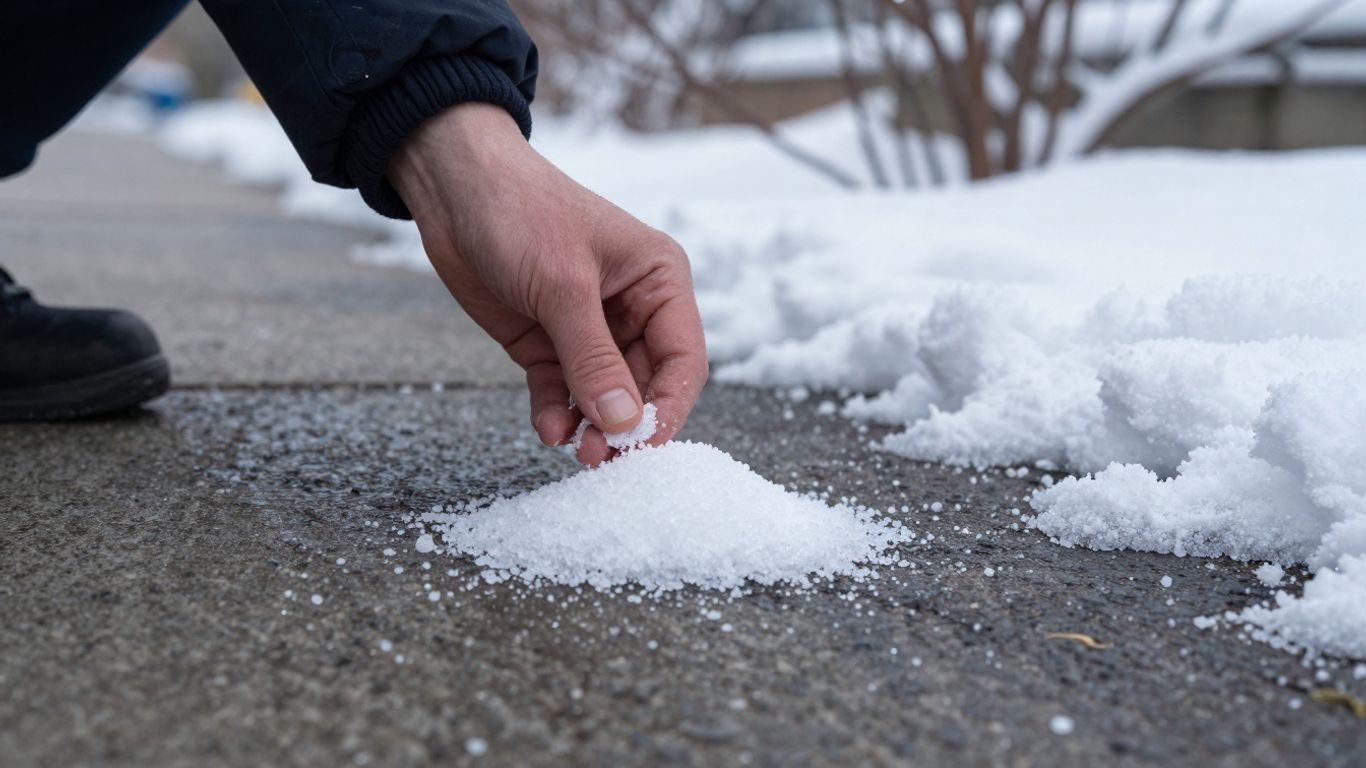
When winter weather hits, keeping our walkways and driveways clear of ice is a top priority for safety. We all know how slippery ice can get, and nobody wants to see a neighbor or a visitor take a tumble. But here’s the thing: the de-icing products we use can actually harm the trees around our homes if we’re not careful. It’s a bit of a balancing act, really. We need safe passage, but we also want our trees to thrive.
We need to be mindful of the chemicals we spread on the ice. Many common de-icers contain salts, like sodium chloride, calcium chloride, or magnesium chloride. While they do a great job melting ice, these salts can be absorbed by tree roots. Once in the soil, they can mess with a tree’s ability to take up water and nutrients. This can lead to leaf scorch, stunted growth, and even weaken the tree, making it more susceptible to diseases and pests. It’s not just about the immediate effect; it’s about the long-term health of our green friends.
Here are some ways we can de-ice more responsibly:
- Choose salt-free alternatives: Products based on calcium magnesium acetate (CMA) or potassium acetate are much gentler on plants. They work a bit differently, preventing ice from bonding to the surface in the first place, rather than just melting it. They might cost a little more upfront, but the benefit to our trees is worth it.
- Use sand or kitty litter: For traction, plain sand or non-clumping kitty litter can be a lifesaver. They don’t melt ice, but they provide a gritty surface that helps prevent slips and falls. Just be sure to sweep it up when the weather warms to avoid clogging storm drains.
- Shovel early and often: The best way to deal with ice is to prevent it from forming a thick, stubborn layer. Shoveling snow as soon as possible after it falls stops it from getting compacted and turning into ice.
- Apply de-icer sparingly: If you must use a salt-based product, use the smallest amount possible. Only apply it where it’s absolutely necessary for safety.
We’ve found that a combination of careful shoveling and using sand for traction works wonders for our own property. It takes a little more effort sometimes, but seeing our trees look healthy year after year makes it all worthwhile. It’s about making smart choices that benefit our whole yard, not just the pavement.
When applying any de-icing product, try to keep it away from the base of trees and shrubs. If possible, direct runoff away from planting beds. It might seem like a small detail, but these little actions add up to a big difference for the longevity of our landscape.
9. Checking for Ice Storm Damage
After an ice storm, we really need to get outside and look over our trees carefully. Ice overload can sneak up on us, causing serious harm to branches and trunks. It’s not just about cracks or splits—sometimes, damage hides under the ice or behind stuck-together leaves.
When we walk around our yard or property, we should keep an eye out for these things:
- Branches that have snapped or are noticeably bent from the weight of ice
- Bark wounds or exposed wood where branches broke off
- Leaning trunks or trees that seem to have shifted position
- Signs the tree has uprooted slightly (disturbed soil or tilting)
One trick that helps is tapping the trunk and thicker limbs to listen for hollow sounds. This could mean the wood is weaker than it looks. If we notice any dangerous situations—like big limbs hanging just above walkways or driveways—it’s safer to rope off these spots and call a professional, instead of risking it.
Quick checks after every ice storm can save us a lot of trouble down the road, especially if we act before minor problems turn into big headaches.
If we’re ever unsure about a tree’s stability, we should get expert help. Safety always comes before fixing everything ourselves.
10. Preparing for Spring Growth
As winter winds down, we can start thinking about the coming spring. It’s a good time to give our trees a little attention so they’re ready to burst with new life. We want to make sure they’ve made it through the cold season in good shape and are set up for a healthy growing period.
First, let’s do a final check on any protective measures we put in place. If we wrapped young trees or used guards against animals, now’s the time to remove them. Leaving them on too long can actually cause problems, like trapping moisture or restricting growth. We should also clear away any leftover mulch or debris that might have accumulated around the base of the trees over winter. This helps prevent rot and gives pests fewer places to hide.
We should also look at the soil around our trees. If it’s been heavily compacted by snow or foot traffic, we might want to gently loosen the top layer. This helps water and air get down to the roots where they’re needed. Just be careful not to disturb the roots themselves too much.
This period is also ideal for planning any significant pruning that needs to be done before the new growth really takes off. While we’ve likely addressed dead or damaged branches during winter, now is the time for more structural pruning if needed. Think about shaping the tree or removing crossing branches that could rub and cause damage later.
Here are a few things to keep in mind:
- Inspect the bark for any signs of winter damage, like cracks or peeling.
- Check if any stakes or ties used for support are still necessary or if they’re starting to dig into the trunk.
- Consider a light feeding if your trees typically benefit from it, but wait until the soil is no longer frozen.
We want our trees to be strong and healthy as they emerge from dormancy. A little proactive care now can make a big difference in their vigor and appearance throughout the spring and summer.
Finally, keep an eye on the weather. If we have a late frost, some of the very early buds might be affected, but trees are usually quite resilient. We’ve done our best to prepare them, and now we can let nature take its course.
Wrapping Up Our Winter Tree Care
So, we’ve gone over a few things to help our trees get through the cold months. It might seem like a lot, but taking these steps now really makes a difference when spring rolls around. We’re talking about giving them the best chance to thrive. Think of it like getting ready for a long nap – you want to be comfortable and prepared. We hope this helps you feel more confident about looking after your trees this winter. Happy tree tending!
Frequently Asked Questions
Why should we check our trees for damage before winter really hits?
It’s a good idea to give our trees a once-over before the cold weather sets in. We want to make sure they’re strong and healthy, so they can handle the winter. Finding any broken branches or signs of sickness now means we can fix them up before snow and ice add more weight or stress.
How much water do trees really need in the winter?
Even though it’s cold, trees still need some moisture. Established trees usually get enough from rain and snow. However, if it’s been a dry fall and the ground isn’t frozen solid, giving them a good soak before winter truly arrives can help them stay hydrated. We should water them on warmer days when the ground isn’t icy.
Is it okay to use salt on sidewalks near our trees?
We should be careful with salt near our trees. Salt can harm their roots and even the soil. Instead of using rock salt, we can try safer options like sand or a pet-friendly ice melt. If we do use salt, we should try to keep it as far away from the tree’s base as possible to protect it.
