


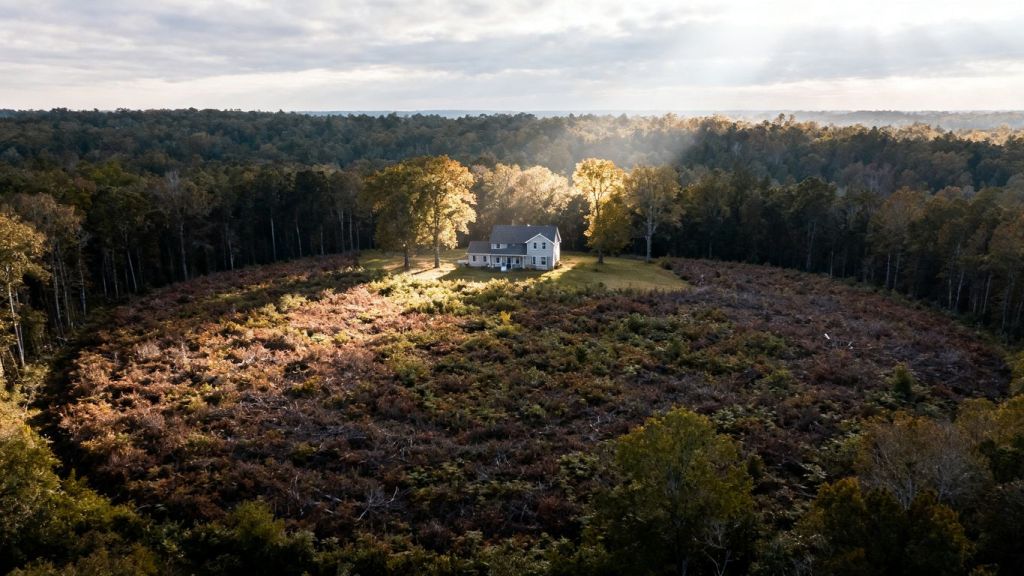
Living in a rural area offers many benefits, but it also comes with risks, especially from wildfires. We’ve found that creating defensible space around our homes is a key way to protect our properties. This involves clearing away brush and trees that could fuel a fire. We’ll talk about how strategic defensible space tree removal and smart vegetation management can make a big difference in keeping our homes safe.
Key Takeaways
- Strategic defensible space tree removal helps create barriers to slow down approaching fires.
- Managing vegetation in zones around your home reduces fire risk and makes your property more resilient.
- Regular upkeep of defensible space, including ongoing tree removal and clearing, is vital for lasting safety.
Understanding Defensible Space Principles
When we talk about protecting our rural homes from wildfires, defensible space is the name of the game. It’s not just about clearing brush; it’s a planned approach to create zones around our properties that significantly reduce the risk of fire spreading. The core idea is to create a buffer, making it harder for flames to reach our structures. We’re essentially managing the landscape to give ourselves a fighting chance if a fire comes our way.
Creating Fuel Breaks Through Strategic Tree Removal
One of the most effective ways to build defensible space is by strategically removing trees and other vegetation. This isn’t about clear-cutting everything, mind you. It’s about thoughtful thinning and placement. We want to create what are called ‘fuel breaks.’ These are areas where we’ve reduced the amount of flammable material, interrupting the continuous path fire needs to travel. Think of it like creating gaps in a dense forest so a fire can’t easily jump from tree to tree towards your house.
Here’s a look at what we consider when thinning:
- Tree Spacing: We aim for adequate space between trees, especially those closer to our homes. This prevents a ‘ladder effect’ where fire can climb from ground fuels into the tree canopy.
- Lean and Drop: We remove dead or dying trees and branches. These are prime candidates for ignition and can fall, creating more fuel near the ground.
- Species Selection: Where possible, we favor less flammable native plants and remove highly flammable species like certain junipers or overgrown pines that are too close.
Managing the trees around our property is a big part of making it safer. It’s about understanding how fire moves and using that knowledge to our advantage by creating deliberate gaps in the fuel.
Maintaining Vegetation Zones for Fire Resilience
Beyond just removing trees, defensible space involves managing different zones of vegetation around our homes. This approach acknowledges that not all areas need to be cleared to bare earth, but rather managed differently based on their proximity to the structure. The goal is to create graduated levels of fuel reduction.
We typically think in terms of three main zones:
- The Immediate Zone (0-5 feet): This is the area right next to your home. It needs to be as free of flammable materials as possible. We’re talking about removing all dead vegetation, trimming tree branches that overhang the roof, and using fire-resistant landscaping materials.
- The Intermediate Zone (5-30 feet): In this zone, we focus on reducing fuel density. We keep grass mowed, remove dead plants, and space out shrubs and trees. We want to break up continuous fuel beds.
- The Extended Zone (30-100+ feet): This is where we manage larger trees and vegetation. We continue to thin trees, remove dead material, and ensure there’s good spacing. The aim here is to slow down a fire’s approach and reduce its intensity before it reaches the closer zones.
Vegetation management is an ongoing process. It’s not a one-time job. Regular checks and maintenance are key to keeping these zones effective year after year.
Implementing Effective Defensible Space Clearing
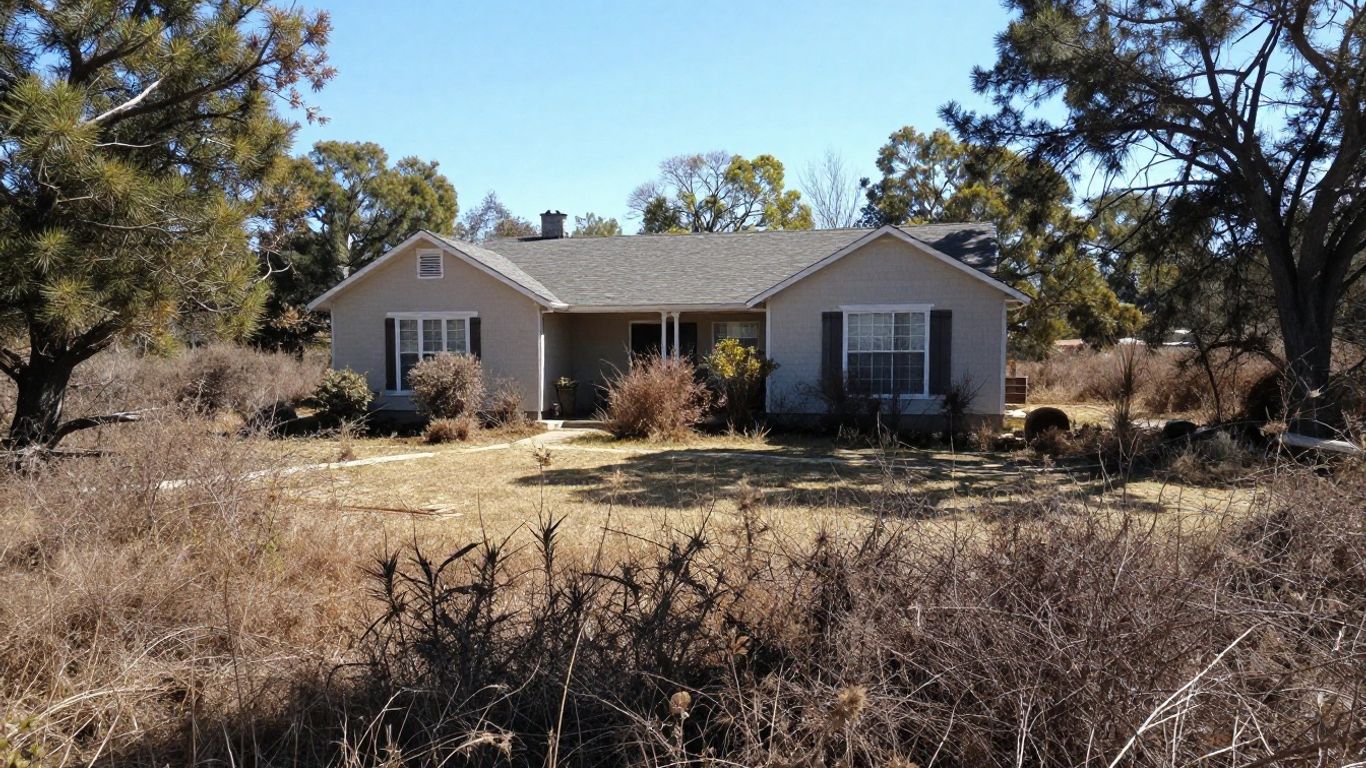
Now that we understand the basic ideas behind defensible space, let’s talk about how we actually get it done on our properties. It’s not just about hacking away at trees randomly; there’s a method to the madness, and doing it right makes a big difference when fire season rolls around. We need to be smart about where we focus our efforts.
Prioritizing Defensible Space Tree Removal for Safety
When we’re clearing trees and brush, safety has to be the main thing on our minds. We’re not just trying to make things look tidy; we’re building a buffer zone. This means we need to think about the path a fire might take and where it could cause the most damage.
Here’s a breakdown of what to look at:
- Immediate Zone (0-5 feet from the home): This is the most critical area. We want absolutely no flammable materials here. Think of it as a zero-tolerance zone for anything that can burn easily. This includes dead leaves, dry grass, and overhanging branches.
- Intermediate Zone (5-30 feet from the home): In this zone, we’re reducing the density of vegetation. We want to remove dead or dying plants and thin out shrubs and trees so they aren’t packed too tightly. This helps slow down a fire’s spread and reduces the chance of flames jumping from the ground to the tree canopy.
- Extended Zone (30-100 feet or more, depending on slope and vegetation): This area is about managing the fuel load further out. We’re looking to create breaks in continuous vegetation and remove dead material. The goal here is to make it harder for a fire to reach the house in the first place.
We must pay close attention to trees that are close to the house or lean towards it. These are prime candidates for removal or significant pruning. Also, consider the slope of your land; fire moves faster uphill, so you might need a wider defensible space on slopes.
Ongoing Maintenance for Long-Term Protection
Clearing the land once isn’t enough. Wildlands are always growing, and what was clear last year might be a fire hazard this year. Regular upkeep is key to keeping our homes safe.
Think about these tasks:
- Regular Inspections: Walk your property at least twice a year, especially before and after fire season. Look for dead plants, overgrown areas, and debris buildup.
- Seasonal Cleanup: Rake leaves and needles, clear gutters, and remove dead vegetation. This is especially important after windy days or storms.
- Pruning and Thinning: Keep trees and shrubs trimmed. Remove dead branches and thin out dense areas to reduce fuel continuity.
- Monitoring New Growth: Keep an eye on how quickly things are growing back and address it before it becomes a problem.
Keeping up with maintenance might seem like a chore, but it’s a necessary part of rural living. It’s about being proactive and taking responsibility for the safety of our homes and our neighbors. A little bit of work spread throughout the year is far better than dealing with a wildfire.
We also need to think about the type of plants we have. Some native plants are more fire-resistant than others, and choosing those can help in the long run. But even fire-resistant plants can burn if they’re dead or too close to the house. So, it’s a combination of smart clearing and choosing the right vegetation.
Wrapping Up: Protecting Our Homes
So, we’ve talked about how clearing brush and trees around our homes can make a big difference when fire season hits. It’s not just about making things look tidy, though that’s a nice bonus. It’s about giving our properties a fighting chance. We’ve seen how creating that space, that defensible zone, can slow down a fire and give firefighters a better shot at protecting our homes. It takes work, for sure, and sometimes it feels like a never-ending job, especially with how fast things grow back. But when we think about what’s at stake, the effort seems pretty worthwhile. Taking these steps is a practical way we can all look out for our places and our neighbors too.
Frequently Asked Questions
What exactly is defensible space and why do we need it?
Defensible space is basically a buffer zone we create around our homes and buildings. Think of it as a safety gap. We clear out a lot of the stuff that can easily catch fire, like dead leaves, dry grass, and overgrown bushes. This makes it much harder for wildfires to reach our property and gives firefighters a better chance to protect our homes if a fire does come our way. It’s a crucial step for keeping our rural places safe.
How do we start clearing our property to make it safer?
Our first step is to strategically remove trees and plants that are too close to our houses or buildings. We focus on creating clear areas, sometimes called fuel breaks, especially on the sides where fires are most likely to approach. We also organize the remaining plants into different zones, keeping them healthy and less likely to burn. This careful planning helps our property stand up better against flames.
Is defensible space a one-time job, or do we need to keep working on it?
This isn’t a task we do just once and forget about. Keeping our property safe requires ongoing effort. We need to regularly check and clear away new growth, dead leaves, and anything else that could become fuel for a fire. Consistent maintenance is key to ensuring our defensible space stays effective year after year, providing long-term protection for our homes.
