


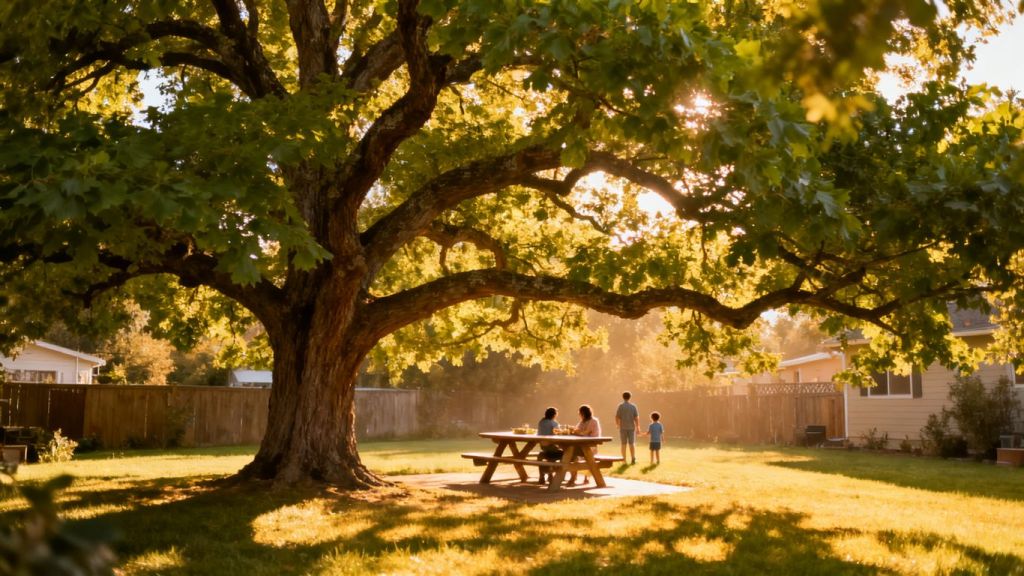
Summer is almost here, and with it comes the joy of backyard barbecues and outdoor parties. We all want to enjoy our time outside, but we also need to think about safety. Trees can be beautiful, but sometimes they can pose a risk, especially if they’re not in good shape. Before you invite everyone over, it’s a good idea to take a look at the trees around your gathering areas. We’ll walk through some simple ways to spot potential problems and explain when it’s time to call in the pros for a proper tree risk assessment services.
Key Takeaways
- We should look for signs that a tree might be unhealthy, like dead branches, cracks, or fungus. Checking the tree’s overall structure helps us see if it looks like it could fall.
- It’s important to know what we can check ourselves and when a job is too big. Sometimes, what looks okay to us might still be a problem for a trained eye.
- Hiring certified arborists for tree risk assessment services gives us peace of mind. They have the knowledge to spot dangers we might miss and can tell us the best way to fix things.
Identifying Potential Tree Hazards
Before we all head outside for barbecues and backyard games, it’s a good idea to take a look at the trees around our gathering spots. We don’t want any surprises, right? A healthy-looking tree can sometimes hide problems that could become dangerous. Let’s go over some things we can check ourselves.
Signs Of Tree Decay And Disease
Trees can get sick or start to rot, just like anything else. Often, there are visible clues. We should keep an eye out for:
- Mushrooms or fungi growing on the trunk or roots. This is a pretty clear sign that decay is happening inside the wood.
- Cracks or splits in the trunk or major branches. Small cracks might not be a big deal, but deep ones or those that go all the way around are concerning.
- Holes or cavities in the trunk. These can weaken the tree and provide a home for pests.
- Unusual leaf color or premature leaf drop. While some changes are normal with the seasons, sudden or widespread issues could point to disease.
- Dead branches, especially large ones. These are brittle and can fall without much warning.
Assessing Tree Structure And Stability
Beyond just decay, how a tree is built matters a lot for its stability. We need to think about how it’s growing and if it looks like it could withstand wind or heavy rain.
- Leaning: Is the tree leaning at a sharp angle? If the lean is sudden or seems to be getting worse, the roots might be compromised.
- Root Flare: Look at where the trunk meets the ground. If the roots aren’t visible or if the soil is piled up high around the base, it can cause problems.
- Branch Attachment: Are the branches attached to the trunk with narrow angles, like a ‘V’? These attachments are weaker than wider, ‘U’ shaped ones and can split more easily.
- Crown Density: Is the canopy very thick and dense? A heavy crown can catch more wind, putting stress on the tree.
Sometimes, a tree might look okay from a distance, but up close, we can see issues. It’s worth taking a few minutes to walk around the trees that are closest to where we’ll be spending time. We’re looking for anything that seems out of the ordinary or makes us feel uneasy about its strength.
Here’s a quick checklist we can use:
| Hazard Type | What to Look For |
|---|---|
| Decay/Disease | Fungi, cracks, holes, dead branches, leaf changes |
| Structural Weakness | Severe lean, poor branch attachments, root issues |
| Pest Infestation | Sawdust at base, visible insects, wilting leaves |
| Environmental Stress | Recent construction nearby, soil compaction, drought |
If we notice several of these signs, or if a tree looks particularly large and old with any of these issues, it might be time to call in someone who really knows trees.
When To Seek Professional Tree Risk Assessment Services
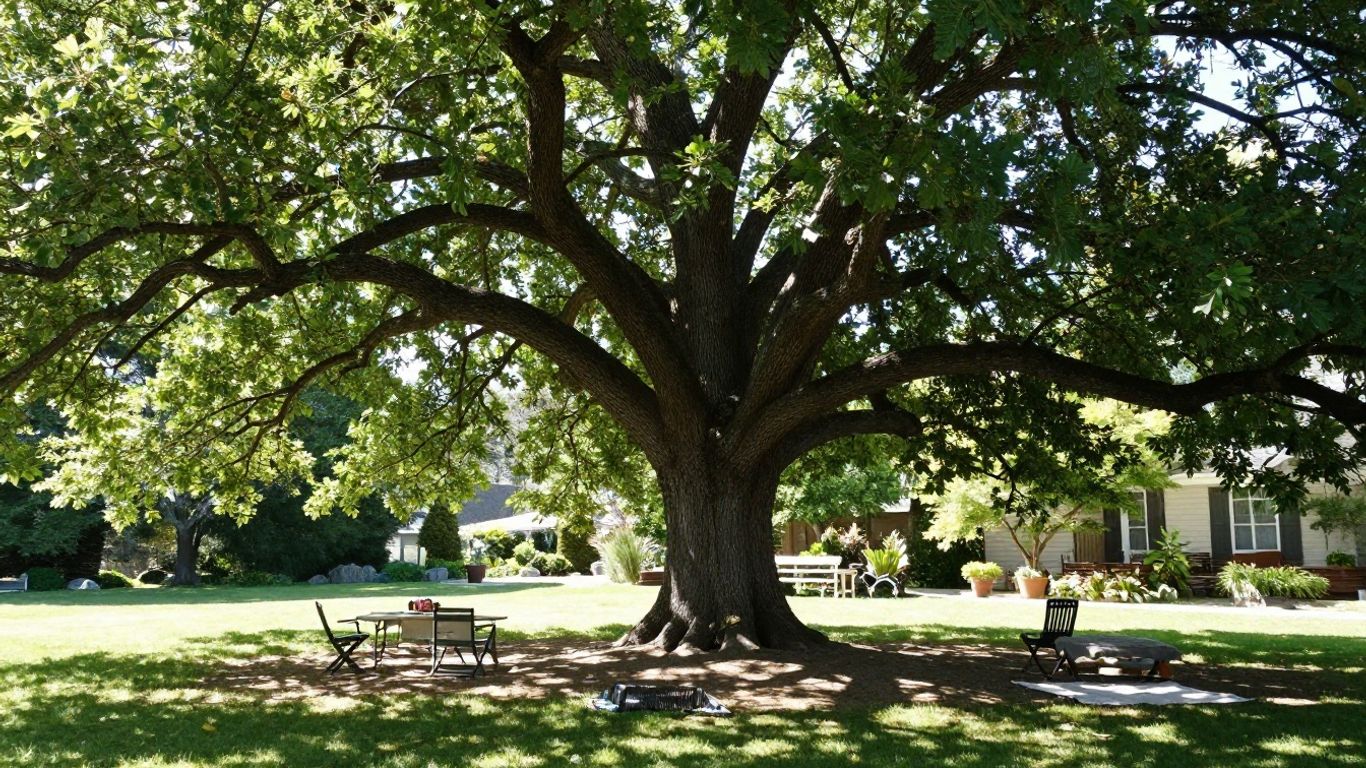
We can all spot a dead branch or a tree leaning a bit too much. But assessing the real danger a tree poses? That’s a different story. Our own eyes can only tell us so much, and sometimes, what looks okay to us might be a serious problem waiting to happen. It’s easy to think we’ve got a handle on things, especially when we’re just looking at our backyard trees. However, when it comes to the safety of our guests during summer get-togethers, we need to be sure. Knowing when to call in the pros is a sign of good judgment, not a lack of ability.
Understanding The Limits Of DIY Inspections
We’ve all watched those home improvement shows or seen online videos that make complex tasks look simple. Tree inspection can feel like that sometimes. We might notice obvious signs like cracks, cavities, or mushrooms growing on the trunk, which are clear indicators of trouble. We can also see if a tree is growing at an odd angle or if its roots look disturbed. But what about the stuff we can’t see? Things like internal decay, root rot that’s hidden underground, or structural weaknesses that aren’t visible from the outside are where DIY inspections fall short. These hidden issues can make a tree unstable, even if it looks perfectly fine from a distance. We might miss subtle signs of disease or pest infestation that are weakening the tree from within. It’s like trying to diagnose a medical problem just by looking at someone’s skin – you’re missing a lot of what’s going on underneath.
Benefits Of Hiring Certified Arborists
Calling in a certified arborist is more than just hiring someone to look at a tree; it’s about getting a professional opinion backed by training and experience. These folks know trees inside and out. They can spot problems that we’d never even think to look for.
Here are some key reasons why we should consider their help:
- Specialized Knowledge: Arborists have studied tree biology, health, and structure. They understand how different species react to weather, soil conditions, and disease.
- Advanced Tools: They often use specialized equipment, like resistance drills or sonic tomography, to assess the internal condition of a tree without causing significant damage.
- Risk Assessment Training: Certified arborists are trained in specific methods for evaluating tree risk, considering factors like the tree’s species, age, location, and potential targets (like your patio or play area).
- Insurance and Liability: If an arborist determines a tree needs to be removed or pruned for safety, their assessment can provide documentation that may be helpful for insurance purposes.
When a tree is close to structures, play areas, or high-traffic spots, the stakes are higher. A professional assessment gives us peace of mind that we’ve done everything we can to keep our loved ones safe.
Think about it this way: you wouldn’t try to perform surgery on yourself or a family member just because you watched a medical drama, right? Tree risk assessment is similar. While we can do a basic check, a certified arborist provides a level of detail and certainty that we just can’t get on our own. They can give us a clear picture of the actual risk and recommend the best course of action, whether that’s regular monitoring or more involved work.
Wrapping Up Our Tree Check
So, we’ve gone over how to spot some common tree problems before you have folks over for a barbecue or just to relax outside. It’s not about becoming a tree doctor overnight, but more about using your eyes and common sense. Look for the obvious stuff like dead branches or cracks. If something looks really off, or you’re just not sure, it’s always best to call in someone who knows trees for a living. A quick check now can save a lot of worry later, letting us all enjoy the warmer months without a second thought about what’s hanging over our heads. Let’s keep our outdoor spaces safe and sound for everyone.
Frequently Asked Questions
What are the most obvious signs that a tree might be dangerous?
We should keep an eye out for several things. Look for dead branches that could fall, especially those that are large or hang over areas where people gather. Also, check if the tree’s bark is peeling off in large sections or if there are mushrooms growing on or around its base, as these can indicate rot inside. Leaning trees, especially if they’ve recently started leaning more, are also a cause for concern.
How can we tell if a tree’s structure is weak?
A tree’s structure can be compromised in a few ways. We should examine how its branches are attached to the trunk; branches that form narrow angles, almost like a ‘V’, are weaker than those with wider, ‘U’ shaped attachments. We also need to look for cracks in the trunk or branches, or any signs of damage from storms or pests. If a tree has multiple trunks growing from the base, especially if they rub against each other, this can create a weak point.
When is it best to call a tree expert instead of trying to figure it out ourselves?
While we can spot some obvious issues, there are times when we really need a professional. If a tree is very large, or if it’s close to a house, a playground, or a busy path, it’s safer to get an expert opinion. Also, if we see signs of disease or decay that we can’t quite identify, or if the tree has suffered significant damage, it’s wise to bring in a certified arborist. They have the tools and knowledge to give a thorough assessment and tell us if the tree poses a real risk.
