


As homeowners in Sheridan, CA, we know how important our trees are to our properties. Spring is a great time to give them some attention. We’ll walk through some simple tips to help keep your trees healthy and looking good. Proper tree trimming Sheridan CA is something we can all do with a little know-how.
Key Takeaways
- Timing your tree trimming in Sheridan CA during spring is important for tree health.
- Some trees benefit more from spring pruning than others.
- Using the right tools and techniques makes tree trimming safer and more effective for Sheridan CA homeowners.
Essential Spring Tree Trimming For Sheridan CA Residents
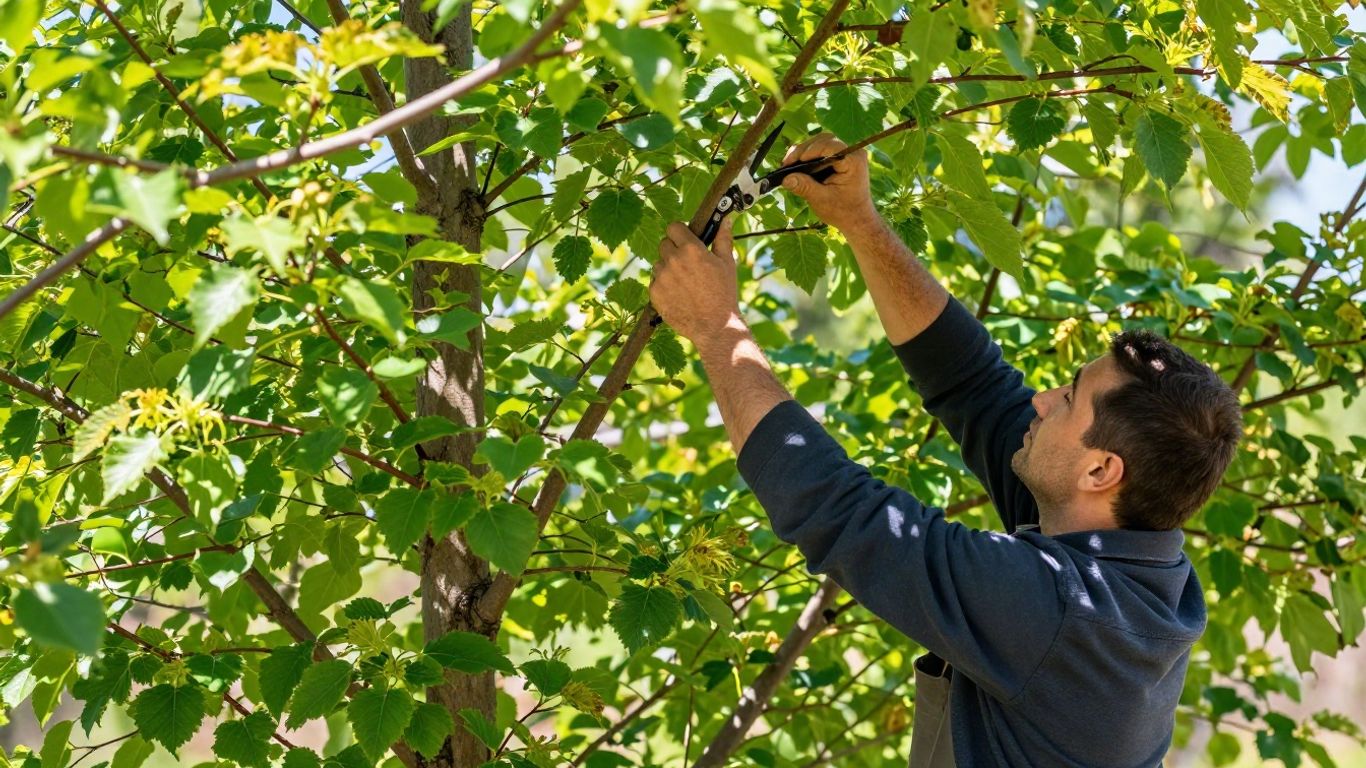
As the weather warms up here in Sheridan, it’s a good time to think about our trees. Spring is a prime season for giving them a little attention, especially after a winter that can sometimes be tough on them. We want our trees to look good and stay healthy, right? Well, a bit of trimming can go a long way.
When To Schedule Your Tree Trimming In Sheridan CA
Timing is pretty important when it comes to trimming. For most deciduous trees – those that lose their leaves in the fall – late winter or early spring, before new growth really kicks in, is usually the best bet. This is when the tree’s structure is easiest to see without all the leaves. It also helps wounds heal faster as the tree starts its active growing period. However, if you have trees that bloom in the spring, like ornamental cherries or magnolias, you’ll want to wait until after they’ve finished flowering. Trimming them too early means you’ll miss out on their beautiful blooms for the year. For evergreens, it’s generally better to trim them in late spring or early summer, once the new growth has hardened off a bit. We don’t want to stress them out too much.
Identifying Trees That Benefit Most From Spring Trimming
Not all trees need the same amount of attention. Some trees really show their appreciation for a good spring trim. We should look out for trees that have:
- Dead or Damaged Branches: These are obvious candidates. Winter storms can break branches, and it’s best to remove them before they cause more problems or become a hazard.
- Crossing or Rubbing Branches: When branches grow into each other, they can rub, creating wounds that invite disease and pests. Trimming one of them can prevent this.
- Diseased Areas: If you spot any signs of disease, like unusual spots or wilting on branches, it’s a good idea to trim those sections away. This helps stop the spread.
- Overcrowding: Sometimes, branches grow too close together, making the tree’s canopy too dense. Thinning this out improves air circulation and allows more sunlight to reach the inner parts of the tree.
We’ve found that taking a proactive approach to tree care, especially during the spring growth phase, really helps maintain the health and appearance of our yards. It’s about working with nature, not against it, to keep our trees strong and vibrant.
For fruit trees, spring trimming is also key for encouraging good fruit production. Removing unproductive branches directs the tree’s energy into producing more fruit on the remaining branches. It’s a bit of an art, but paying attention to these details makes a big difference in the long run for our gardens.
Best Practices For Tree Trimming Sheridan CA Homeowners Should Know
When it comes to keeping our trees healthy and looking good here in Sheridan, CA, knowing the right way to trim them makes a big difference. We’ve learned a few things over the years about what works and what doesn’t. It’s not just about hacking away at branches; there’s a bit of a knack to it.
Proper Techniques For Effective Tree Trimming
Getting the trimming right means thinking about the tree’s health first. We want to encourage good growth and keep disease or pests away. The goal is to remove dead, damaged, or crossing branches to improve the tree’s structure and appearance.
Here are some techniques we find helpful:
- The Three-Cut Method: This is key for removing larger branches without tearing the bark. First, make a shallow cut on the underside of the branch a foot or so from the trunk. Then, make a second cut from the top, a little further out than the first, until the branch breaks off. Finally, make a clean cut just outside the branch collar to remove the stub. This prevents tearing and helps the tree heal properly.
- Heading Cuts vs. Thinning Cuts: Heading cuts shorten a branch back to a bud or smaller side branch. These can be useful for shaping but can also lead to weak, bushy growth if overdone. Thinning cuts remove an entire branch back to its point of origin or to a larger lateral branch. This opens up the canopy, lets in light and air, and is generally better for the tree’s long-term health.
- Understanding Branch Collars: The branch collar is the swollen area where a branch meets the trunk or a larger limb. We always try to cut just outside this collar, not flush with the trunk. Cutting into the collar damages the tree’s natural defense system and can invite problems.
We’ve found that taking a moment to observe the tree before we start cutting saves us a lot of trouble later. It’s about working with the tree, not against it.
Tools And Safety For Your Tree Trimming Project
Having the right tools and using them safely is non-negotiable. Trying to trim a tree with dull or improper equipment is not only ineffective but can also be dangerous.
Here’s what we keep on hand:
- Hand Pruners: For small branches up to about 3/4 inch thick. Bypass pruners are generally preferred as they make a cleaner cut.
- Loppers: These have longer handles and are good for branches up to 1.5 to 2 inches thick. They give you more leverage.
- Pruning Saw: For branches thicker than what loppers can handle. Make sure it’s a saw designed for pruning, not a general handsaw.
- Pole Saw: Useful for reaching higher branches without needing a ladder. Again, a sharp blade is important.
Safety is always our top priority. We make sure to:
- Wear sturdy gloves to protect our hands.
- Use eye protection, like safety glasses or goggles, to keep debris out of our eyes.
- Be aware of our surroundings, especially power lines. If there’s any doubt, we call a professional.
- Never overreach. If a branch is too high or too difficult to reach safely, it’s better to leave it or get help.
- Keep our tools clean and sharp. This makes the job easier and prevents the spread of diseases between trees.
Wrapping Up Your Spring Trimming
So, we’ve gone over some basic ideas for trimming your trees this spring here in Sheridan. It’s not too complicated, really. Just remember to keep an eye on what your trees need and don’t be afraid to make those cuts. A little attention now can make a big difference later on. If you’re ever unsure, though, there are always local pros who can lend a hand. Happy trimming!
Frequently Asked Questions
When is the best time to trim our trees in the spring here in Sheridan?
We generally advise trimming your trees in early spring, just as the buds are starting to swell but before they fully open. This timing helps us see the tree’s structure clearly and allows the tree to heal quickly as it enters its active growing season. Avoid trimming during the coldest parts of winter or when the trees are actively flowering, as this can stress them out.
Which trees in our yard should we focus on trimming in the spring?
We should prioritize trees that have dead, damaged, or diseased branches. Also, young trees can benefit from shaping to encourage strong growth. Trees that tend to grow very quickly or have weak wood are good candidates for spring pruning to keep them manageable and healthy. We should also look at trees that might be growing too close to our homes or power lines.
What are some simple tips for trimming our trees safely?
When we trim, we must always use sharp, clean tools designed for the job. For smaller branches, bypass pruners are best. For larger ones, a pruning saw works well. Safety first is key! We should always wear sturdy gloves and eye protection. If a branch is too high or too large to reach safely, it’s much wiser to call a professional tree service rather than risk an injury.
