


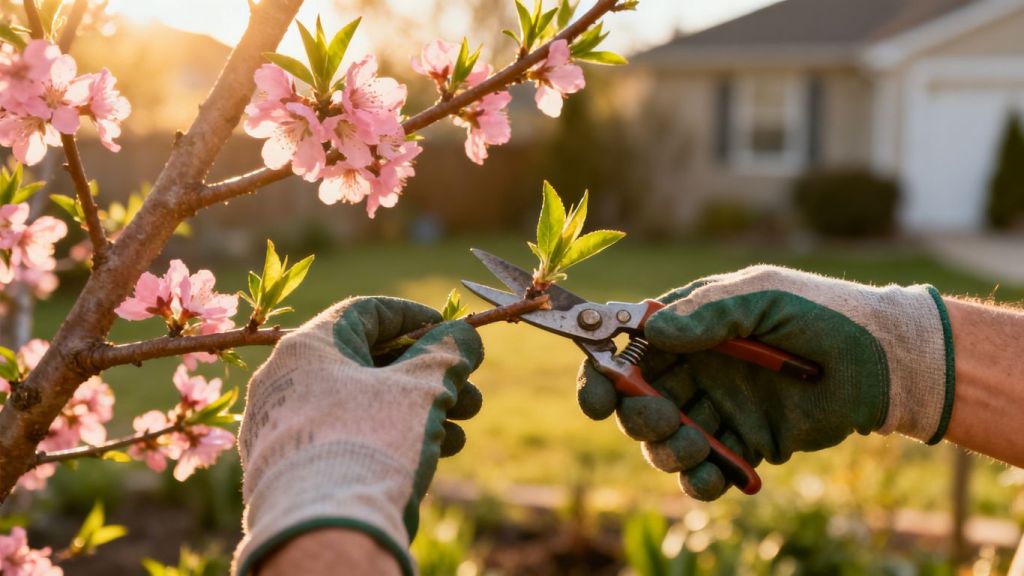
As the snow melts and Sheridan yards begin to wake up, it’s a good time to think about our trees. We want them to look their best and stay healthy. This means getting a handle on when and how to prune them. We’ll go over some tips to help us with early spring tree pruning services, making sure we do it right for our trees.
Key Takeaways
- We should plan our early spring tree pruning services when trees are still dormant, before new growth starts. This helps us see the tree’s structure better and reduces stress on the tree.
- When doing tree pruning services, we need to make clean cuts just outside the branch collar. This helps the tree heal properly. Avoid leaving stubs or cutting too close to the trunk.
- Removing dead, damaged, or diseased branches is important. This keeps the tree healthy and prevents problems from spreading. We should check for these issues before starting any major pruning.
When To Schedule Your Early Spring Tree Pruning Services
Getting the timing right for pruning your trees in early spring is pretty important. We want to get the most benefit for our trees without causing them stress. It’s all about working with nature, not against it.
Identifying The Optimal Time For Pruning
So, when exactly is the best time to get out there with the pruning shears? We generally look for the period after the worst of the winter cold has passed, but before the trees really start to wake up and put out new growth. Think of it as the sweet spot between winter dormancy and active spring growth. This timing helps minimize stress on the tree and reduces the risk of disease or pest entry through fresh cuts. We often see this window opening up in late February or early March here in Sheridan, depending on the specific winter we’ve had.
Understanding Dormancy For Best Results
Trees are dormant in the winter. This means they aren’t actively growing, and their sap flow is slowed way down. Pruning during this dormant period is beneficial because:
- Visibility: Without leaves, we can clearly see the tree’s structure, making it easier to identify branches that need removing.
- Reduced Stress: The tree isn’t expending energy on new growth, so it can focus on healing the cuts made.
- Disease Prevention: Many common tree diseases are less active in colder temperatures, lowering the chance of infection through pruning wounds.
We aim to complete most major pruning before the buds begin to swell significantly. Once you start seeing those buds getting plump and ready to burst, it’s a sign that the tree is preparing to shift its energy into new leaves and branches, and it’s probably best to hold off on heavy pruning.
Waiting until the last possible moment of dormancy, just before the sap starts running heavily, is often the ideal scenario. This allows us to take advantage of the dormant state while still getting the pruning done before the tree invests too much energy into growth that we might then have to remove.
Essential Techniques For Effective Tree Pruning Services
Making The Right Cuts For Tree Health
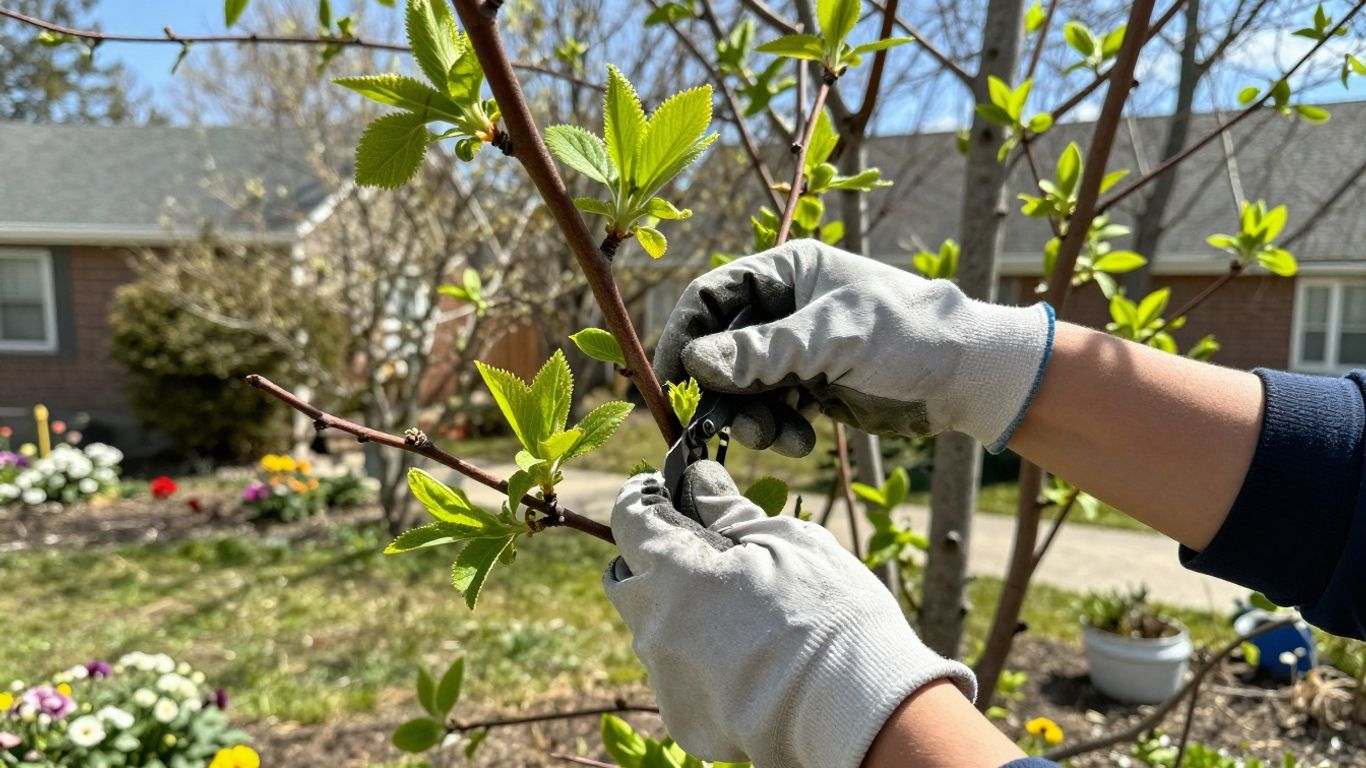
When we prune our trees in early spring, the way we make our cuts really matters for the tree’s long-term health. We want to encourage good healing and prevent problems down the road. The goal is to make cuts that the tree can seal over quickly and efficiently. This means avoiding jagged edges or leaving stubs that can invite disease or pests.
Here are some pointers for making good cuts:
- Use sharp tools: Dull pruners or saws can crush the bark and wood, making it harder for the tree to heal. We always make sure our tools are clean and sharp before we start.
- Cut just outside the branch collar: The branch collar is that slightly swollen area where a branch meets the trunk or a larger limb. Cutting too close can damage the collar, which is key for sealing the wound. Leaving too much of a stub gives pests a place to hang out.
- Consider the three-cut method for larger branches: This method helps prevent the branch from tearing the bark down the trunk as it falls. First, make a small cut on the underside of the branch a foot or so out from the trunk. Then, make a second cut from the top, a little further out, until the branch breaks off. Finally, make a clean cut to remove the remaining stub, right at the branch collar.
Addressing Deadwood And Diseased Branches
Removing dead or diseased branches is a top priority during our early spring pruning. It’s not just about looks; it’s about keeping the whole tree healthy and preventing issues from spreading. We look for branches that are brittle, lack leaves, or show signs of discoloration or unusual growths.
- Deadwood: This is usually easy to spot. It’s dry, brittle, and often has no buds or leaves. It’s a good idea to remove it because it doesn’t contribute to the tree’s life and can become a hazard if it falls.
- Diseased branches: These can be trickier. Look for spots, wilting, cankers (sunken areas on the bark), or unusual sap flow. If we suspect a disease, we’re careful to clean our tools after each cut on a diseased branch to avoid spreading it to other parts of the tree or to other plants.
When we remove a diseased branch, we always cut back into healthy wood. This means making the cut a few inches below where the signs of disease stop. It’s better to remove a bit more healthy wood than to leave any infected tissue behind. We then dispose of the diseased material properly, usually by bagging it and putting it in the trash, rather than composting it where it might spread.
We also pay attention to branches that cross or rub against each other. This friction can create wounds that are entry points for disease. Removing one of the rubbing branches can prevent future problems. Our aim is to create an open structure that allows for good air circulation, which helps keep the tree healthy.
Wrapping Up Our Spring Pruning
So, that’s a look at getting our trees ready for spring here in Sheridan. We’ve covered the basics of what to do and when, and hopefully, it feels a bit less daunting now. Remember, a little bit of care goes a long way for our yards. Taking the time to prune properly now means healthier, better-looking trees when the warmer weather really hits. We think it’s worth the effort, and we hope you do too. Happy pruning!
Frequently Asked Questions
When is the absolute best time to prune our trees in early spring?
We find that the sweet spot for pruning is typically right before the trees start to bud and grow new leaves. This is usually in late winter or very early spring. Waiting until this time helps us see the tree’s structure clearly without leaves in the way and also minimizes stress on the tree as it’s still mostly asleep.
What are the most important things to remember when making pruning cuts?
When we make cuts, we always aim for clean, smooth ones just outside the branch collar, which is that slightly swollen area where the branch meets the trunk. We avoid leaving stubs, as these can invite pests and diseases. Proper cuts help the tree heal itself much faster and keep it healthy.
Should we remove dead or sick-looking branches, and how do we do it?
Absolutely! Removing dead, damaged, or diseased branches is a top priority. We do this to prevent problems from spreading to the rest of the tree and to make it look better. We always cut back into healthy wood, making sure to clean our tools between cuts on diseased branches to avoid spreading any sickness.
