


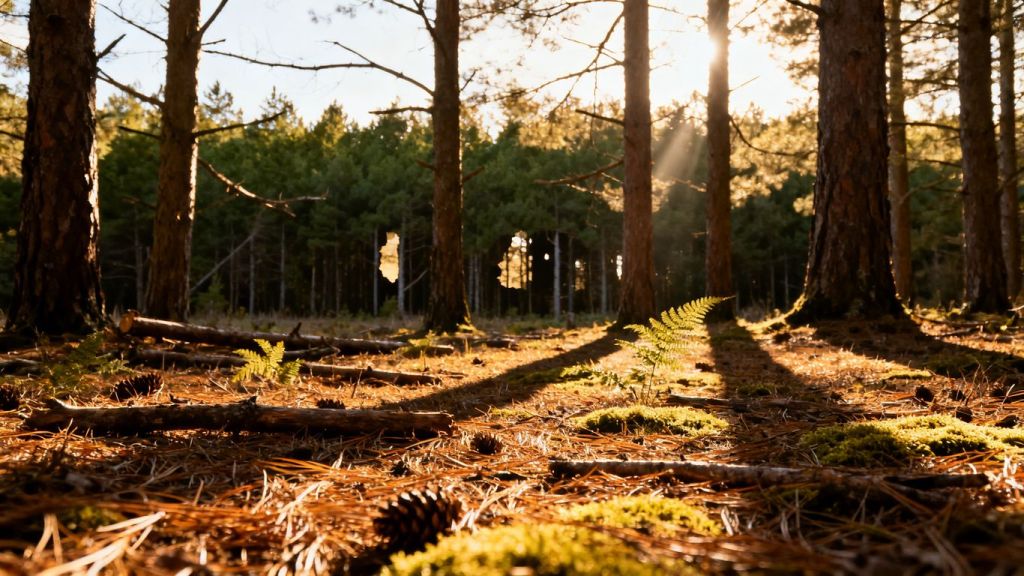
As spring approaches, we’re thinking about how to keep our homes and neighborhoods safer from fires. March and April are prime times to get a jump on this, focusing on two main areas: managing our trees and clearing out brush. These steps are important for tree fire prevention, helping to create a buffer zone around our properties. We’ll look at how thinning tree crowns and clearing away undergrowth can make a real difference in reducing fire risk.
Key Takeaways
- Thinning tree crowns helps reduce fire spread by removing dead or crowded branches, making it harder for flames to move up into the canopy. This is a key part of tree fire prevention.
- Clearing brush and flammable ground cover creates a defensible space around homes, slowing down or stopping fires before they reach structures.
- Spring, specifically March and April, is an ideal time for both crown thinning and brush clearing because the vegetation is less active, making the work easier and reducing the risk of starting a fire while working.
Strategic Tree Fire Prevention Through Crown Thinning
Understanding Crown Thinning for Fire Mitigation
When we talk about fire prevention around our homes and properties, we often focus on clearing brush, which is super important. But we shouldn’t forget about the trees themselves. Crown thinning is a technique where we selectively remove branches from a tree’s canopy. The main goal here is to reduce the density of the foliage. Why does this matter for fire? Well, a dense tree crown can act like a ladder, allowing fire to climb from the ground vegetation right up into the tree. Once fire gets into the tree’s crown, it can spread much faster and become a lot harder to control. By thinning out the crown, we break up these potential fire ladders. We’re essentially creating gaps that make it more difficult for flames to travel upwards and spread horizontally between trees. This makes the trees less likely to ignite and burn intensely, giving us more time to react if a fire does approach.
The primary aim of crown thinning is to reduce the continuity of fuel within the tree canopy. This means we’re not just hacking away at branches; we’re being thoughtful about which ones to remove. We typically focus on removing:
- Branches that are dead or diseased, as these are already weak points and can ignite easily.
- Branches that are growing too close together, creating dense pockets.
- Branches that are growing downwards or inwards, which can also contribute to fuel density.
- Lower branches that might allow ground fires to reach the main canopy.
It’s about creating space and reducing the amount of flammable material that’s connected. This process also helps improve the overall health of the tree, which is a nice bonus.
Timing Your Crown Thinning Efforts for Maximum Impact
So, when is the best time to get this crown thinning done? For most areas, especially where we’re concerned about wildfire, the late winter and early spring months are ideal. We’re talking about March and April, right before the major growing season kicks into high gear. Doing this work now, before the dry season really sets in, is key. It gives the trees time to recover from the pruning before they face the stress of hot, dry weather. Plus, it means our properties are better prepared before the highest fire risk period arrives. Waiting until the height of fire season to do this kind of work is just asking for trouble. It’s much safer and more effective to get it done when conditions are cooler and less conducive to rapid fire spread.
Here’s a quick look at why this timing works:
- Reduced Stress on Trees: Pruning can stress a tree. Doing it in cooler, wetter months allows the tree to heal and start new growth when conditions are favorable.
- Visibility: With leaves not yet fully out, it’s easier to see the structure of the tree and identify which branches need removal without obstruction.
- Fire Season Preparation: This work directly reduces fuel load before the peak fire danger arrives, making our defensible space more effective when it’s needed most.
We need to be mindful that while thinning reduces fire risk, it’s just one part of a larger strategy. It works best when combined with other fire mitigation practices like clearing brush and maintaining our homes.
Effective Brush Clearing for Enhanced Fire Safety
The Role of Brush Clearing in Creating Defensible Space
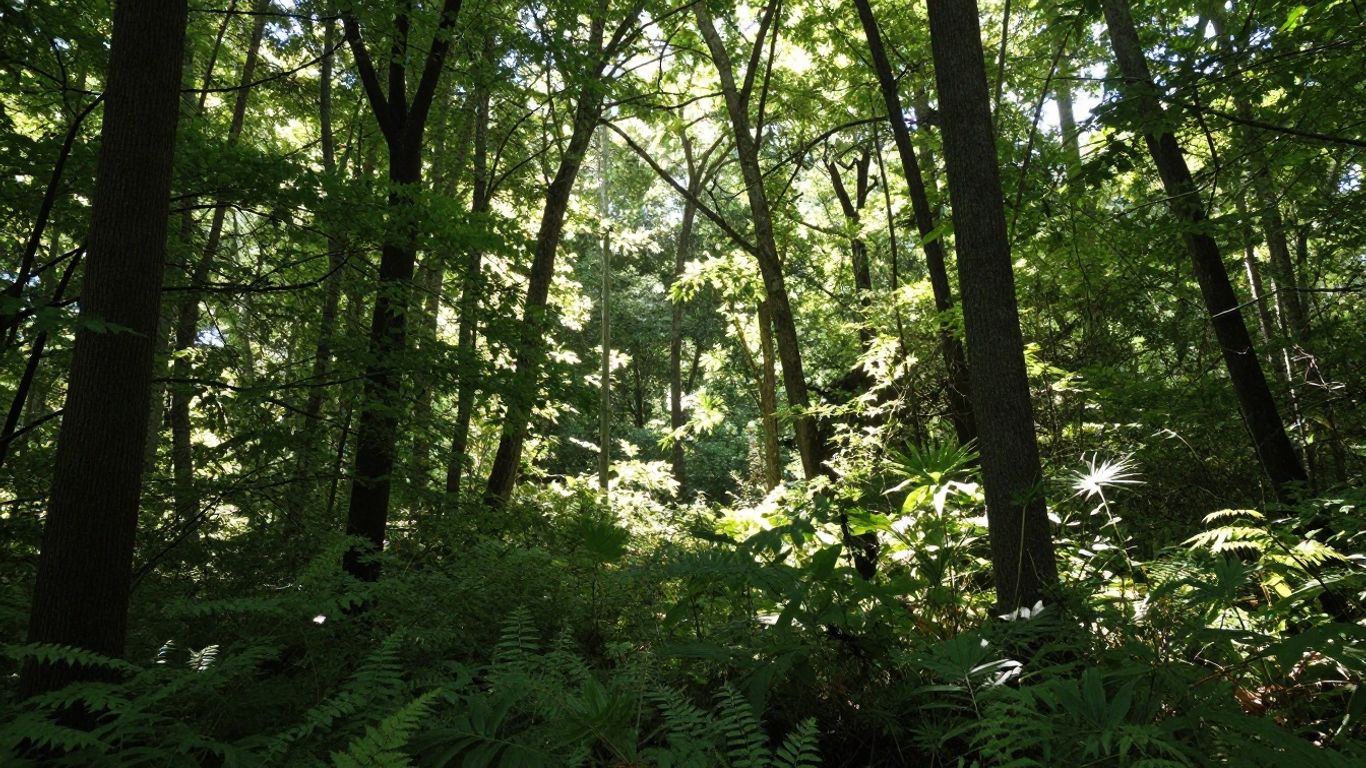
When we talk about fire safety around our homes and properties, especially in areas prone to wildfires, clearing brush is a big part of the puzzle. It’s not just about making things look tidy; it’s about creating what we call ‘defensible space.’ This is the buffer zone we build around our structures that helps slow down or stop a wildfire from reaching us. Think of it as giving firefighters a better chance to protect your home. Without this space, flames can easily jump from vegetation to your house, and that’s a situation none of us want to face.
Best Practices for Brush Removal in Spring
March and April are prime months for tackling brush clearing. The weather is usually cooperative, and we can get a lot done before the heat of summer dries everything out and makes fire conditions more dangerous. Here’s how we approach it:
- Identify High-Risk Areas: Focus on the vegetation closest to your home, outbuildings, and any structures. This is where the fire is most likely to make its first move towards your property.
- Remove Flammable Materials: Get rid of dead leaves, dry grass, pine needles, and any other debris that can easily catch fire and spread flames quickly. Pay special attention to gutters and the areas around your foundation.
- Manage Shrubbery: Trim back shrubs and bushes so they aren’t touching your house or overhanging your roof. We also want to create space between individual plants to prevent a fire from moving easily from one to the next. Aim for at least 10 feet of space between larger shrubs, and more if possible.
- Consider Ladder Fuels: These are smaller plants, branches, or debris that can act like a ladder, allowing fire to climb from the ground into the crowns of trees. Removing these is key to stopping ground fires from becoming crown fires that are much harder to control.
We need to be mindful of the types of plants we have. Some native plants are less flammable than others, but even those can become a fire hazard when they are dead or overgrown. The goal is to reduce the overall fuel load and create clear pathways for fire to be stopped.
Here’s a quick look at what to prioritize:
| Vegetation Type | Action | Distance from Structure |
|---|---|---|
| Dead or Dry Grass/Weeds | Remove completely | Within 30 feet |
| Overhanging Tree Branches | Trim back | Within 10 feet |
| Dense Shrubs | Thin out and space | Within 10 feet |
| Pine Needles/Debris | Clear regularly | Within 30 feet |
Proper brush clearing is a proactive step that significantly reduces the risk of wildfire damage to our properties. It takes some effort, but the peace of mind and safety it provides are well worth it. We should also remember to dispose of the cleared vegetation responsibly, following local guidelines to avoid creating new hazards.
Wrapping Up
So, we’ve talked about how getting into our yards in March and April for some crown thinning and brush clearing can really make a difference when it comes to fire safety. It’s not the most fun job, we know, but it’s a practical step we can take to protect our homes and neighborhoods. By taking these actions now, we’re doing our part to reduce the risk. Let’s get out there and make our properties safer for everyone.
Frequently Asked Questions
Why should we thin the tops of trees to help prevent fires?
We thin the tops of trees, a process called crown thinning, to make them less likely to catch fire and spread flames. By removing some of the lower branches and thinning out the canopy, we create more space between the tree’s crown and the ground. This makes it harder for ground fires to climb up into the trees. It also helps reduce the amount of fuel that can burn intensely, giving us a better chance to control a fire if one starts.
When is the best time to clear brush around our homes?
The ideal time for us to clear brush, which is removing smaller plants and dead vegetation, is typically in the spring, specifically March and April. This is because the plants are often still dormant or just starting to grow, making them easier to remove. Also, clearing before the peak dry season helps create a buffer zone around our properties, known as defensible space, which is crucial for protecting our homes from wildfires.
What’s the main goal of clearing brush and thinning trees?
Our main goal in doing these tasks is to make our communities safer from wildfires. By thinning tree crowns, we reduce the risk of fire climbing into the trees and spreading rapidly. Clearing brush creates a gap between flammable vegetation and our homes, acting like a firebreak. Together, these actions significantly lower the chances of a wildfire reaching and damaging our properties, helping us protect ourselves and our neighborhoods.
