


As winter approaches, it’s a good time for us to check on our trees. We want to make sure they’re strong enough to handle the cold, snow, and wind. A little bit of care now can prevent bigger problems later. We’ll look at how to assess their health and what to do to get them ready for the colder months.
Key Takeaways
- We should look for signs that a tree might be weak or damaged, like cracks in the trunk or branches that look ready to fall.
- Sometimes, a tree is too far gone, and we might need to think about professional tree removal services to keep our property safe.
- Protecting younger trees from frost and wind, and trimming branches that hang over our houses or sheds, are important steps to take before winter really hits.
Assessing Tree Stability and Structural Integrity
As winter approaches, it’s a good time for us to take a close look at our trees. We want to make sure they’re sturdy and won’t cause any problems when the snow and ice hit. A healthy tree is a safe tree, and a little inspection now can save us a lot of worry later.
Identifying Signs of Weakness or Damage
We should be on the lookout for a few key things when we’re checking our trees. First, look at the trunk. Are there any deep cracks or splits? Sometimes, you might see fungal growth like mushrooms or conks on the bark, which can be a sign of rot inside. Also, check where branches meet the trunk. If there are V-shaped unions instead of U-shaped ones, they can be weaker and more prone to breaking. We also need to look at the roots, especially around the base. If the soil is heaving or there are exposed, damaged roots, that’s not a good sign either. And of course, any dead branches that are hanging loosely are a hazard waiting to happen.
Here are some specific things we can check:
- Trunk Condition: Look for cracks, holes, or signs of decay. A healthy trunk should be solid.
- Branch Attachments: Examine where branches join the main trunk. U-shaped attachments are generally stronger than V-shaped ones.
- Root System: Check the base of the tree for any visible damage, decay, or signs of the ground being pushed up.
- Deadwood: Identify and note any branches that are clearly dead, brittle, or have lost their leaves prematurely.
Sometimes, a tree might look okay from a distance, but up close, we can see subtle issues. It’s these small details, like a slight lean that’s gotten worse over time or bark that’s peeling away in large sections, that can indicate a problem brewing beneath the surface. We need to be observant.
When to Consider Professional Tree Removal Services
There are times when a tree’s issues are beyond what we can handle ourselves, or when the risk is just too high. If we notice any of the following, it’s probably time to call in the pros:
- Extensive Trunk Damage: If the trunk has large cavities, significant rot, or is split more than halfway through, the tree’s structural integrity is likely compromised.
- Severe Leaning: A tree that has developed a noticeable lean, especially if the lean is increasing, might have root problems and could fall.
- Multiple Dead or Dying Branches: If a large portion of the tree’s canopy is dead or dying, it might be too far gone to save and poses a significant risk.
- Proximity to Structures: If a damaged or unstable tree is close to our house, garage, or power lines, the potential for damage is much greater, and professional assessment is warranted.
We should err on the side of caution when a tree’s stability is questionable, especially before winter storms. It’s better to have a professional arborist assess the situation than to wait for a branch or, worse, the whole tree to come down unexpectedly.
Preparing Trees for Harsh Winter Conditions
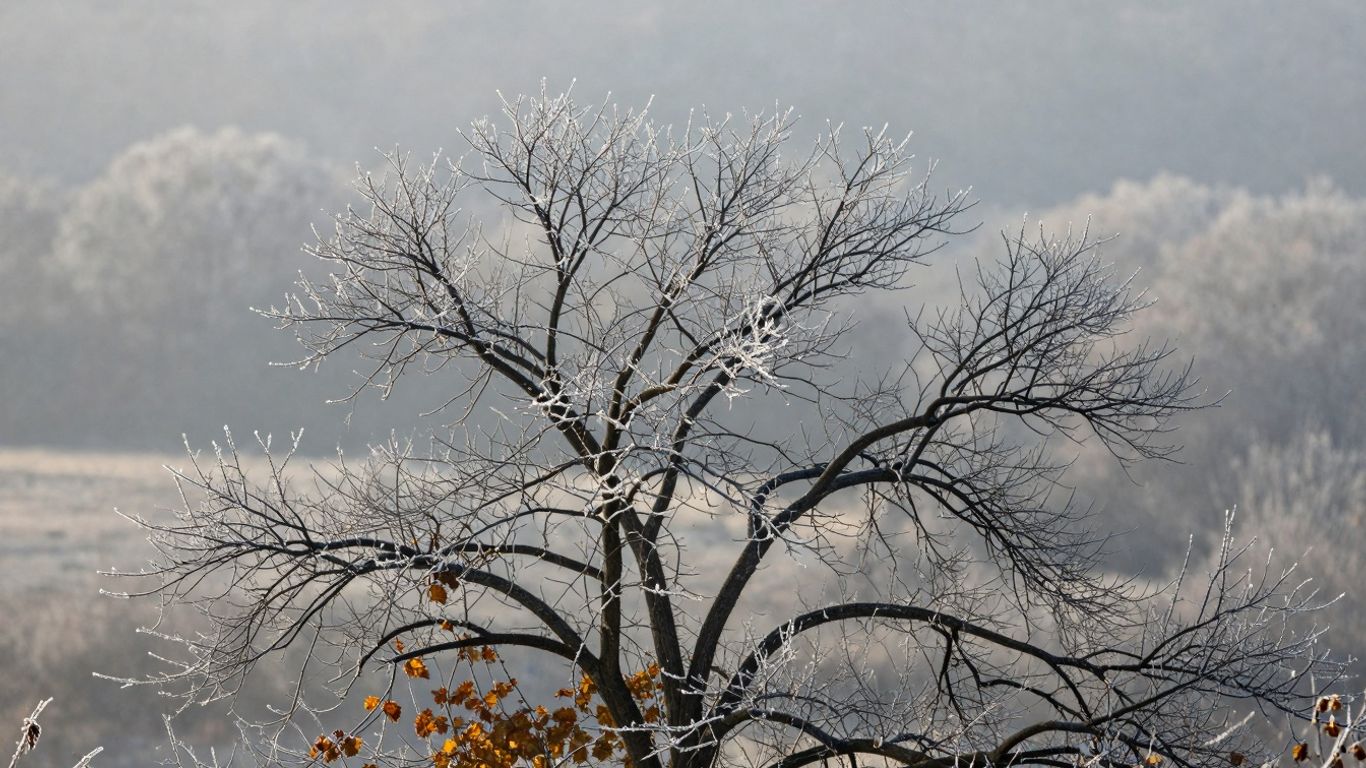
As winter approaches, we need to think about how our trees will handle the cold, wind, and snow. It’s not just about aesthetics; proper preparation can prevent damage and keep our trees healthy for the spring.
Protecting Young Trees from Frost and Wind
Young trees, especially those recently planted, are more vulnerable to winter’s harshness. Their bark is thinner, and their root systems are still developing, making them susceptible to frost damage and windburn. We should take steps to shield them.
- Wrap the trunks: Use tree wrap or burlap to protect the lower part of the trunk from sunscald and frost cracks. This is especially important for trees with smooth, thin bark like maples or fruit trees.
- Mulch generously: Apply a layer of organic mulch, like wood chips or straw, around the base of the tree. Keep the mulch a few inches away from the trunk itself to prevent rot and discourage pests. This helps insulate the soil and protect the roots.
- Consider windbreaks: For very young or delicate trees in exposed areas, temporary windbreaks made of burlap or sturdy fabric can offer protection from drying winds.
Managing Overhanging Branches Near Structures
We also need to look up and around our trees, particularly those close to our homes, garages, or power lines. Heavy snow and ice can weigh down branches, causing them to break and potentially cause significant damage or safety hazards.
- Inspect for weak points: Look for branches that are cracked, split, or show signs of decay. Also, check for branches that are rubbing against each other, as this can create wounds.
- Prune carefully: If you spot branches that look like they might be a problem, it’s best to prune them before winter storms hit. Focus on removing dead, damaged, or crossing branches. If a branch is large or high up, it’s safer to call a professional arborist.
- Clear away debris: Remove any fallen branches or debris from around the base of the tree. This helps prevent moisture buildup and potential disease.
Taking a little time now to prepare our trees can save us a lot of trouble later. It’s about being proactive and giving our woody friends the best chance to thrive through the cold months and come back strong in the spring. We don’t want to be dealing with broken limbs and costly repairs when the weather gets bad.
Here’s a quick look at what to check:
| Tree Part | Potential Issues | Action Needed |
|---|---|---|
| Trunk | Frost cracks, sunscald, animal damage | Wrap young trees, check for damage |
| Branches | Dead, damaged, weak, crossing, heavy snow load | Prune carefully, remove hazardous limbs |
| Roots | Soil heaving, frost damage | Mulch generously, avoid soil compaction |
Wrapping Up Our Winter Tree Care
So, we’ve gone through the basics of checking on our trees during the colder months. It might seem like a lot, but taking a little time now can really help your trees come spring. We looked at things like looking for damage, checking the soil, and making sure they’re protected from harsh weather. It’s not rocket science, just a bit of common sense care. Hopefully, this guide makes it easier for us to give our trees the attention they need before the busy growing season starts. Happy tree tending!
Frequently Asked Questions
How can we tell if our trees are strong enough to handle winter storms?
We should look for any cracks in the trunk or branches, especially where branches meet the main trunk. Also, check if any roots are pushing up out of the ground, which could mean the tree is unstable. If we see large dead branches or signs of rot, it’s a good idea to be concerned.
What’s the best way to shield smaller trees from the cold and strong winds?
For young or newly planted trees, we can wrap their trunks with special tree wrap or burlap. This acts like a cozy blanket against freezing temperatures and windburn. We can also build a temporary fence or windbreak around them using stakes and burlap to block the harshest winds.
When should we think about cutting down a tree instead of trying to fix it?
If a tree has major damage, like a split trunk, widespread disease, or many dead branches that are likely to fall, it might be time to consider removal. If the tree is leaning dangerously close to our house, garage, or power lines, and it looks like it could fall, we should definitely call a professional arborist to assess the situation.
