


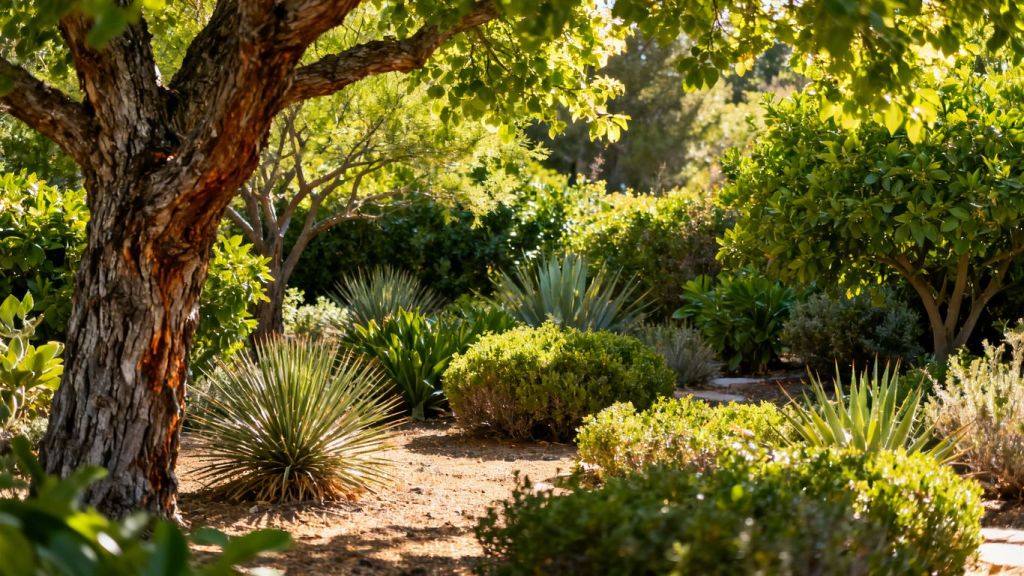
When we think about protecting our homes from wildfires, we often focus on clearing brush and cleaning gutters. But what about the trees and shrubs we plant? The right choices can make a big difference. We’re going to look at plants that don’t catch fire easily and how to manage them, especially when fire resistant tree removal might be needed.
Key Takeaways
- Selecting trees and shrubs that are less likely to ignite from flying embers is a smart step in wildfire preparedness.
- Understanding which plants are more resistant to fire and how to place them around our homes helps create safer spaces.
- Knowing when and how to approach fire resistant tree removal is important for maintaining a defensible landscape around our properties.
Choosing Ember-Resistant Trees For Your Landscape
When we think about making our homes safer from wildfires, the trees around our property are a big part of the picture. It’s not just about picking pretty plants; it’s about making smart choices that can actually help protect our homes. We need to look at trees that don’t easily catch fire, especially from those flying embers that can travel miles ahead of the main flames. Selecting the right trees is a key step in creating a landscape that’s ready for wildfire conditions.
Deciduous Trees That Offer Superior Protection
Deciduous trees, the ones that lose their leaves in the fall, are often a better bet than many evergreens. Why? Well, their leaves tend to be less flammable. Think about it: dry, waxy needles on an evergreen can ignite pretty easily. Deciduous leaves, on the other hand, usually have more moisture and break down more readily. They’re less likely to become tinder. We’ve found that species like oaks, maples, and birches generally perform well. They create a good canopy, but their fuel load is typically lower when it’s dry.
Here are a few we often recommend:
- Oaks (Quercus spp.): Many oak varieties have dense wood and leaves that don’t dry out as quickly. They’re tough and can withstand a lot.
- Maples (Acer spp.): Similar to oaks, maples often have leaves with higher moisture content. Some varieties are better than others, so it’s worth checking local recommendations.
- Birches (Betula spp.): While their bark can be flammable, the leaves themselves are less so. They grow relatively quickly and provide good shade.
It’s important to remember that no tree is completely fireproof. Proper maintenance, like keeping dead branches trimmed and clearing leaf litter, is still necessary.
Evergreens With Lower Flammability
Now, we know many people love their evergreens. They give us color year-round and provide privacy. The good news is, not all evergreens are equally risky. Some have characteristics that make them less likely to ignite or spread fire rapidly. We’re talking about trees that don’t have a lot of volatile oils or fine, dry needles that act like kindling. We want to avoid trees that are known to be highly flammable, like junipers or pines with very fine needles.
Consider these options:
- Douglas Fir (Pseudotsuga menziesii): While still an evergreen, its needles are not as resinous as some other conifers. Its overall structure can be less prone to rapid fire spread compared to other species.
- Western Red Cedar (Thuja plicata): This tree has scale-like leaves that lie flat against the branches, and it tends to have a higher moisture content than many other conifers. It’s a popular choice in many fire-prone areas for good reason.
- Arborvitae (Thuja spp.): Similar to Western Red Cedar, Arborvitae has scale-like foliage that is less flammable than needle-like leaves. It’s a common landscape plant that can be a relatively safer evergreen choice.
When planting any tree, especially near a home in a fire-prone area, consider its mature size and how close it will be to the structure. We want to create space, not add fuel right next to the house. Proper spacing between trees and between trees and the home is just as important as the type of tree itself.
We also need to think about the health of the tree. A stressed or dying tree is more likely to become fuel. So, keeping our trees healthy through proper watering and care is part of our wildfire readiness plan.
Shrubs That Enhance Wildfire Preparedness
When we think about making our properties safer from wildfires, trees often get the spotlight. But shrubs play a really important role too, especially in the zones closest to our homes. They can act as a buffer, and choosing the right ones can make a big difference. We need to think about how they grow and how much water they hold.
Low-Growing Shrubs For Defensible Space
The area right around our house, often called defensible space, is key. We want plants here that won’t easily catch fire and spread flames quickly. Low-growing shrubs are great for this. They stay close to the ground, which means embers are less likely to get caught in them and start a bigger fire. Plus, they don’t usually grow tall enough to reach overhanging branches from trees, which can be a fire highway.
Here are some types of shrubs that work well in this zone:
- Creeping Juniper: This groundcover type of juniper stays low and spreads out. It’s pretty tough and doesn’t dry out too fast.
- Manzanita (some varieties): While some manzanitas can get large, certain low-growing types are good choices. Their smooth bark doesn’t ignite easily.
- California Buckwheat: This native plant is known for its drought tolerance and attractive flowers. It forms a dense mat that can help reduce soil erosion too.
We should aim for plants that are spaced out a bit, not packed tightly together, to limit fire’s ability to jump from one to the next.
Shrub Varieties With High Moisture Content
Another good strategy is to pick shrubs that naturally hold more water. These plants are less likely to ignite and burn intensely. Think of them as having their own built-in fire retardant. They might still burn if the fire is hot enough, but they’ll generally resist ignition better than dry, woody plants.
Some examples include:
- Ceanothus (California Lilac): Many varieties of ceanothus have softer, more succulent leaves that contain moisture. They also tend to have less dead material accumulating at their base.
- Toyon (California Holly): This shrub is known for its bright red berries in winter, but its leaves have a good amount of moisture, making it more fire-resistant.
Choosing shrubs with higher moisture content is a smart move for creating a landscape that’s more forgiving when fire threatens. It’s about working with nature’s own defenses.
When selecting any plant, it’s always a good idea to check with local fire authorities or extension offices. They often have lists of recommended plants for your specific area that are both beautiful and fire-wise.
When Fire Resistant Tree Removal Becomes Necessary
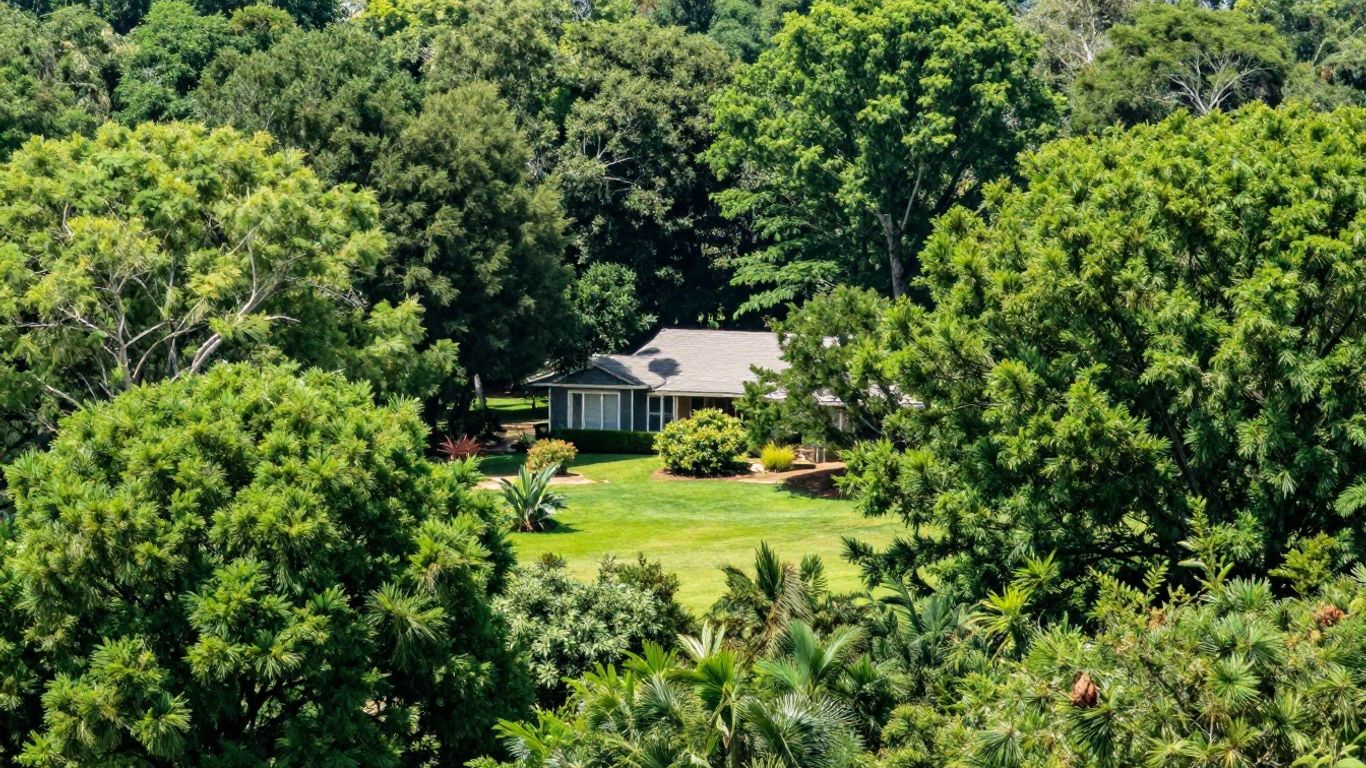
Even with the best intentions and careful selection of ember-resistant trees and shrubs, there might come a time when removing certain trees becomes the wisest course of action for our property’s safety. This isn’t about giving up on fire-wise landscaping; it’s about making informed decisions to protect our homes and families.
Assessing Tree Health and Proximity to Structures
We need to be realistic about the condition of the trees on our property. A tree that looks healthy might still pose a risk if it’s too close to our house or other structures. We should look for signs of disease, insect infestation, or damage. These issues can weaken a tree, making it more likely to fall or burn intensely.
- Dead or dying branches: These are easy to spot and can ignite quickly.
- Fungal growth: Mushrooms or conks on the trunk or base often indicate rot.
- Insect damage: Look for sawdust, boreholes, or unusual sap flow.
- Leaning: A tree leaning significantly towards a structure is a major concern.
Proximity is key; a healthy tree too close is a bigger risk than a slightly compromised tree further away. We should consider the ‘defensible space’ around our homes, which typically extends 30 to 100 feet or more, depending on local regulations and the slope of the land. Trees within this zone require extra scrutiny.
Professional Services For Safe Tree Removal
Removing trees, especially large ones or those near buildings, is not a DIY job. It requires specialized equipment, training, and insurance. We should always call in the professionals for this task. They have the knowledge to assess the risk accurately and the tools to remove trees safely without damaging property or causing injury.
When you contact a professional, they will typically:
- Evaluate the tree’s condition and its risk to your property.
- Determine the safest method for removal, considering the tree’s size, location, and lean.
- Provide a clear estimate for the work, including stump grinding if requested.
- Handle all aspects of the removal, from cutting to debris cleanup.
Sometimes, even a tree that seems perfectly fine can become a hazard. If a tree is in a location where it could easily drop burning material onto your roof or into your yard during a wildfire, its removal might be a necessary step in our overall fire preparedness plan. It’s a tough call, but safety comes first.
Don’t hesitate to get multiple quotes from reputable, insured tree removal services. Asking for references and checking reviews can help us find someone reliable and experienced in wildfire-prone areas.
Wrapping Up Our Wildfire-Ready Yard
So, we’ve gone over a bunch of plants that can help make our homes safer when wildfires are a threat. It’s not about creating a sterile zone, but about making smart choices with trees and shrubs that don’t easily catch fire from flying embers. Picking the right species, keeping them healthy, and giving them space can really make a difference. We hope this gives you a good starting point for planning your own ember-resistant landscape. It takes a bit of work, sure, but the peace of mind is worth it.
Frequently Asked Questions
What kind of trees are best to plant if we want to be ready for wildfires?
When we’re thinking about wildfire safety, we should pick trees that don’t catch fire easily. Deciduous trees, like oaks and maples, are often a good choice because their leaves tend to fall off in the autumn, making them less of a fuel source. Some evergreen trees can also work, but we need to be careful and choose ones with lower flammability, meaning they’re less likely to burn. It’s smart to look for trees that don’t have a lot of sticky sap or dry, dead needles.
How do shrubs help make our yards safer from wildfires?
Shrubs play a big role in creating a safe zone around our homes. We should plant low-growing shrubs close to the house, as these are less likely to catch fire and spread flames upwards. Also, some shrubs hold a lot of water in their leaves and stems, which makes them harder to ignite. Think of them as natural fire blockers. Keeping them trimmed and away from structures is also key to their effectiveness.
When should we consider removing a tree even if it’s supposed to be fire-resistant?
Even fire-resistant trees might need to be removed sometimes. We must check if a tree is unhealthy, perhaps dying or damaged. If a tree is too close to our house or other buildings, it could still pose a risk, especially if it’s weak. Dead branches or parts of the tree can easily catch fire and act like a bridge to spread flames. When in doubt, it’s best to get advice from experts who can help us decide if removal is the safest option.
