


As winter approaches, we often think about our own comfort, but our young trees need attention too. These saplings are still growing and don’t have the sturdy defenses of mature trees. We need to give them a helping hand to get through the cold months. This article will guide us through the steps we can take to protect them and what to do when spring finally arrives. We’ll also touch on when it might be time to call for professional tree removal services if a tree doesn’t make it.
Key Takeaways
- Young trees are vulnerable to winter weather, so we must take steps to shield them from frost, wind, and animals.
- Proper protection involves things like wrapping trunks, mulching, and sometimes even temporary shelters.
- After winter, we should check for damage, prune if needed, and get trees ready for the growing season, knowing when to seek help from tree removal services for any losses.
Protecting Young Trees From Winter’s Harsh Elements
Understanding Winter’s Impact on Saplings
Young trees, especially those planted in the last year or two, are still getting established. Their bark is thinner, their root systems aren’t as deep, and they just don’t have the same resilience as mature trees. Winter throws a lot at them. We’re talking about freezing temperatures that can damage delicate tissues, drying winds that can dehydrate branches, and heavy snow or ice loads that can snap limbs. Even the sun can be a problem; on bright, cold days, the sun warms the south-facing side of the trunk, causing cells to expand. Then, when temperatures drop rapidly at night, those same cells freeze and can split, leading to what we call sunscald. It’s a real concern for young, vulnerable trees.
We’ve seen firsthand how different conditions affect saplings:
- Frost Heave: This happens when the ground freezes and thaws repeatedly. It can push a young tree right out of the ground, exposing its roots to damaging cold.
- Animal Damage: Deer, rabbits, and voles might see your young tree as a convenient snack when other food sources are scarce. They can gnaw on the bark, which can girdle the tree and kill it.
- Dehydration: Evergreens, in particular, can lose moisture from their needles through dry winter winds, even when the ground is frozen and they can’t take up water. This leads to browning and dieback.
It’s easy to think that once the leaves fall, trees are just sleeping and don’t need much attention. But for young ones, winter is a period of significant stress. Their defenses are still developing, making them prime targets for a range of environmental challenges.
Essential Winter Protection Strategies
Taking a few proactive steps can make a big difference in how well your young trees survive the winter. It’s not about going overboard, but about providing targeted support where it’s most needed. The goal is to shield them from the most common winter injuries.
Here are some things we always do:
- Mulching: Apply a layer of organic mulch, like wood chips or shredded bark, around the base of the tree. Keep it a few inches away from the trunk itself to prevent rot and discourage pests. Mulch helps insulate the soil, keeping the roots at a more stable temperature and reducing frost heave. It also helps retain moisture.
- Trunk Protection: For young trees with thin bark, wrapping the trunk can prevent sunscald and frost cracks. Use commercial tree wrap made of paper or burlap. Start at the base and overlap each layer as you spiral upwards, covering the trunk up to the lowest branches. Remove the wrap in early spring to avoid trapping moisture and pests.
- Protection from Animals: If deer or rabbits are a problem in your area, consider using plastic tree guards or wire mesh cages around the trunks. Make sure the guards are tall enough to prevent browsing and are secured firmly.
- Watering: Before the ground freezes solid, give your young trees a good, deep watering. This helps them go into winter well-hydrated, which is especially important for evergreens.
We’ve found that a combination of these methods works best. For instance, mulching and trunk wrapping together offer robust protection against multiple winter threats. It might seem like a bit of work, but seeing those trees thrive in the spring makes it all worthwhile.
Post-Winter Tree Health and Maintenance
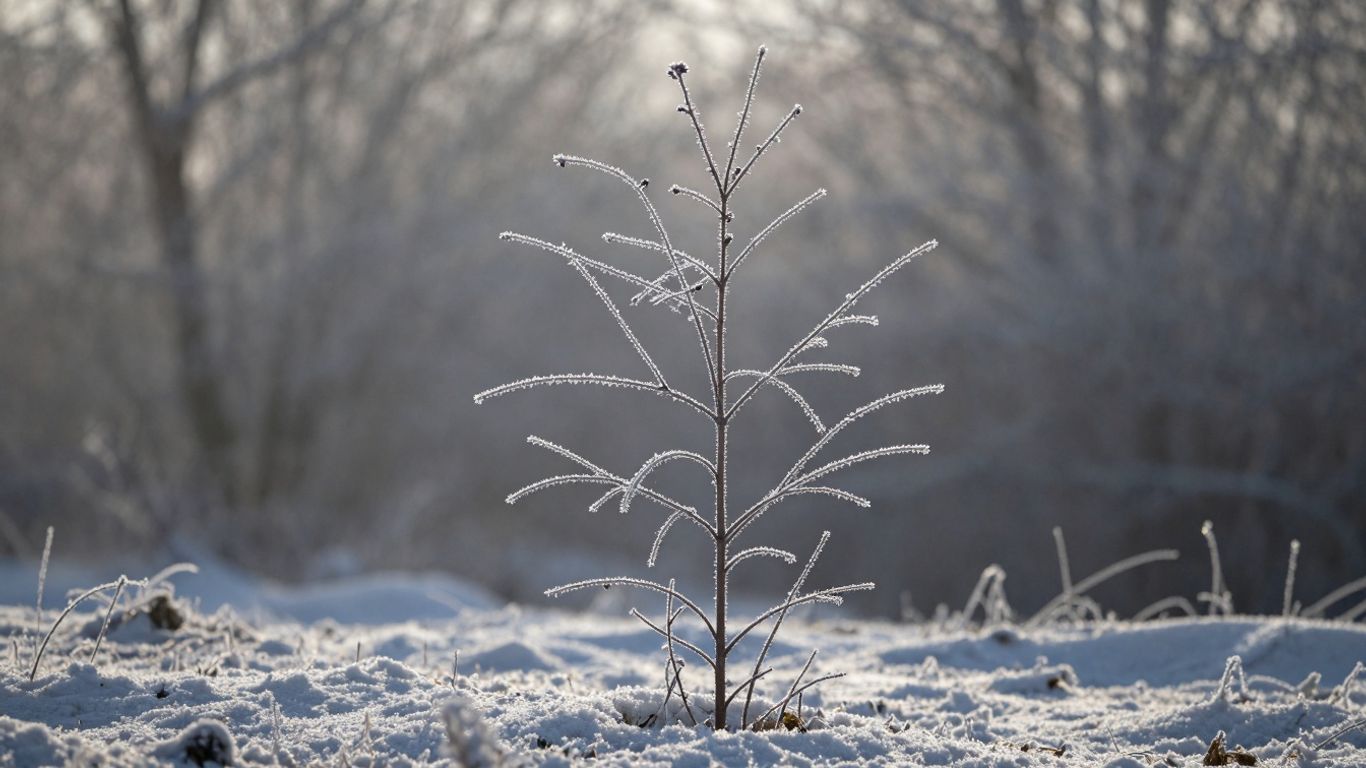
Now that winter’s grip is loosening, it’s time to turn our attention to our young trees and see how they fared. We need to check for any damage and get them ready for the growing season.
Assessing Winter Damage and Necessary Pruning
After a long winter, we often find our young trees have gone through quite a bit. We should look closely for signs of trouble. This might include broken branches, bark that’s split or peeling, or even areas where the bark looks rubbed off, perhaps from animals or ice.
- Inspect the trunk and branches carefully. Look for any cracks, especially near the base. These can be entry points for diseases.
- Check for frost cracks. These often appear as long, vertical splits in the bark, usually on the south or southwest side of the tree where the sun warms the bark during the day and then it freezes hard at night.
- Examine the buds. Are they plump and healthy-looking, or dry and shriveled? Dry buds might not open.
- Look for any signs of animal damage, like gnawing marks from rabbits or deer rubbing their antlers.
When we find damaged branches, we need to prune them. It’s best to make clean cuts just outside the branch collar, which is the slightly swollen area where the branch meets the trunk. This helps the tree heal properly. For smaller twigs, just snip them off. If a larger branch is broken, we might need to make a proper three-cut pruning to avoid tearing the bark down the trunk.
We want to remove anything that’s clearly dead, diseased, or broken. The goal is to help the tree direct its energy into new, healthy growth, not into trying to repair damage that won’t heal.
Preparing for Spring Growth and Avoiding Future Issues
Once we’ve dealt with any damage, we can help our trees get a good start for spring. This involves a few key steps.
- Watering: Even though it’s spring, if the soil is dry and we haven’t had much rain, young trees can still benefit from a good watering. Make sure to water deeply, soaking the root zone. This is especially important if the tree is in a location that dries out quickly.
- Mulching: We should check the mulch around the base of the trees. If it’s gotten thin or is piled too high against the trunk, we need to adjust it. A layer of about 2-3 inches of organic mulch (like wood chips or shredded bark) spread out to the drip line (the edge of the canopy) is ideal. Keep the mulch a few inches away from the trunk itself to prevent rot and discourage pests.
- Fertilizing (if needed): Most young trees don’t need fertilizer right away in spring. If your soil is poor or the tree shows signs of nutrient deficiency (like pale leaves), a soil test can tell us what, if anything, is needed. If we do fertilize, use a balanced fertilizer and follow the package directions carefully. It’s usually better to fertilize later in the spring or early summer once the tree has started growing.
We also want to think about protecting our trees in the future. This might mean considering different types of tree guards or wraps for the next winter, especially if we had significant issues this past season. Thinking ahead helps us keep our young trees healthy and strong year after year.
Wrapping Up Our Winter Tree Care
So, we’ve gone over a few things to help our young trees get through the cold months. It might seem like a lot, but really, it’s about giving them a good start. We talked about watering before the ground freezes solid, protecting the trunks from critters and sunscald, and maybe adding some mulch. These steps aren’t super complicated, and they can make a big difference for those little saplings. Think of it as tucking them in for a long nap. By taking these simple actions now, we’re helping them grow strong and healthy for many seasons to come. Let’s get out there and give them the best chance to thrive.
Frequently Asked Questions
Why do young trees need special care in winter?
Young trees, just like us, can find winter tough. Their bark is thinner, making them more easily hurt by freezing temperatures, strong winds, and heavy snow. We need to give them a little extra help to make sure they stay healthy and strong through the cold months.
What’s the best way to shield our trees from the cold?
We can wrap the trunks of our young trees with special tree wrap or burlap. This acts like a cozy blanket, protecting the bark from sunscald (when the sun warms the bark during the day and it freezes at night) and from animals that might nibble on it. Also, adding a layer of mulch around the base helps keep the roots warm and prevents the soil from freezing too deeply.
How do we know if our trees were damaged by winter and what should we do?
After the snow melts, we should carefully look over our trees. We’re checking for any broken branches or bark that looks damaged. If we find any broken branches, we should carefully prune them off with clean tools. If the bark is peeling or cracked, we might need to apply a tree wound dressing. It’s always a good idea to give them a good watering before spring really kicks in to help them recover.
