


Winter storms can be tough on our trees. We all want to keep our trees healthy and standing tall, especially when the weather gets rough. This article will help us get ready for winter and know what to do if damage happens. We’ll talk about getting trees ready before the snow flies and what steps to take afterwards. We’ll also cover when it might be time to think about tree removal services.
Key Takeaways
- We can get our trees ready for winter by trimming branches that might break and protecting younger trees from cold and wind.
- After a storm, we should check our trees for broken limbs or damage that could cause problems later.
- Sometimes, a damaged tree is too far gone, and we need to consider professional tree removal services for safety.
Preparing Your Trees For Harsh Winter Weather
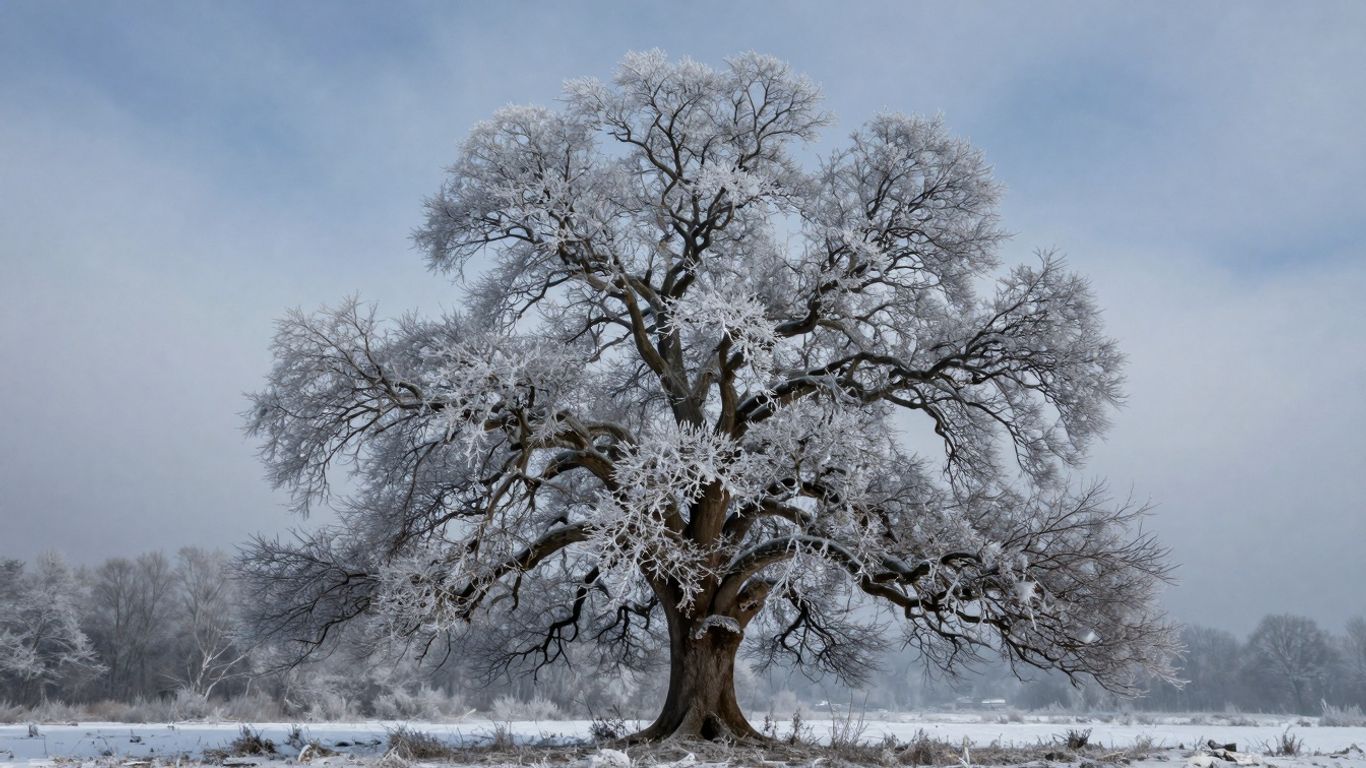
Winter storms can really do a number on our trees. Heavy snow, ice, and strong winds can cause branches to snap, or worse, bring down entire trees. We want to make sure our trees are as ready as possible before the bad weather hits. Taking some time now can save us a lot of trouble later.
Pruning For Strength And Stability
One of the best things we can do is prune our trees. It’s not just about making them look neat; it’s about making them stronger. We should focus on removing dead, damaged, or weak branches. These are the first to go when the weather gets rough. Also, look for branches that cross or rub against each other. They can weaken each other and create entry points for disease. Proper pruning helps distribute weight better, especially when snow or ice builds up.
- Remove dead or diseased wood: This prevents rot from spreading and removes weak points.
- Thin out crowded areas: This allows wind to pass through more easily, reducing stress on the tree.
- Address crossing or rubbing branches: Prevent wounds that can invite pests and diseases.
- Identify weak attachments: Look for narrow angles where branches meet the trunk; these are prone to splitting.
We should aim to do this pruning in the late fall or early winter, after the leaves have dropped. This makes it easier to see the tree’s structure. However, if you see a branch that looks like an immediate hazard, don’t wait. Just be careful when you’re up there.
Taking the time to prune correctly is an investment in your trees’ long-term health and your property’s safety. It might seem like a lot of work, but it’s much better than dealing with the aftermath of a storm.
Protecting Young And Vulnerable Trees
Young trees, especially those planted in the last year or two, are more susceptible to winter damage. Their root systems aren’t fully established, and their bark is thinner. We can help them out quite a bit.
- Mulch: Apply a layer of mulch around the base of young trees, keeping it a few inches away from the trunk. This helps insulate the roots from freezing temperatures and retains moisture.
- Trunk Wraps: For very young or thin-barked trees, consider using commercial tree wrap. This protects the bark from sunscald (damage from winter sun reflecting off snow) and from frost cracks.
- Staking (with caution): If a young tree is in a very windy location, staking might be necessary. However, it’s important not to stake too tightly or for too long. The tree needs to be able to sway a little to develop a strong trunk. Remove stakes after one growing season if possible.
- Protection from animals: Sometimes, deer or rabbits can damage young trees in winter by gnawing on the bark. You might need to use tree guards or fencing to keep them away.
We should check these young trees regularly throughout the winter, especially after a storm, to make sure they’re holding up okay. It’s a bit of extra care, but it really helps them get established and grow strong for years to come.
Responding To Winter Storm Damage
After a winter storm has passed, our first thought is often about the state of our trees. We might look out the window and see branches down, or perhaps a tree has completely fallen. It’s important to know how to handle this situation safely and effectively.
Assessing Damage After A Storm
Once it’s safe to go outside, we need to take a good look at what the storm has done. Don’t rush this part; a careful assessment can save us a lot of trouble later.
- Look for broken branches: These can be anywhere from small twigs to large limbs. Pay attention to any that are hanging precariously, as they could fall.
- Check the trunk and main limbs: See if there are any deep cracks, splits, or signs of the tree leaning more than it did before.
- Examine the root flare: This is where the trunk meets the roots. If you see soil pushed up or roots exposed, it could mean the tree is unstable.
- Note any downed trees: If a tree has fallen, assess its position. Is it near your house, a power line, or a fence?
Safety is the top priority when assessing damage. If you see downed power lines, stay far away and call your utility company immediately. Don’t try to move branches near them.
We often underestimate the weight and force of fallen branches. Even a seemingly small limb can cause serious injury if it shifts unexpectedly. Always maintain a safe distance from damaged trees until they have been properly evaluated.
When To Call Tree Removal Services
Sometimes, the damage is beyond what we can handle ourselves. Knowing when to bring in the professionals is key to preventing further problems or injuries.
Here are some situations where we should definitely call a certified arborist or tree removal service:
- Large broken limbs: If a major branch is broken and hanging, it’s a job for the pros. They have the equipment and know-how to remove it safely.
- Leaning trees: If a tree that was once upright is now leaning significantly, especially towards a structure or walkway, it’s a serious hazard.
- Uprooted trees: A tree that has lost most of its roots is unstable and needs to be removed.
- Damage near power lines: Never attempt to clear debris or trees near electrical lines. This is extremely dangerous and must be handled by the utility company or their designated tree service.
- Extensive trunk damage: Deep cracks or splits in the main trunk can compromise the tree’s structural integrity, making it a risk.
We might be tempted to save money by trying to handle these issues ourselves, but the risks involved are often too great. A professional service has the right tools, like bucket trucks and specialized saws, and they understand how to work safely around hazards. They can also advise us on whether a damaged tree can be saved or if removal is the only option.
Wrapping Up: Keeping Our Trees Safe
So, we’ve talked about a few ways to help our trees get through the winter without too much trouble. It might seem like a lot, but taking these steps now can really make a difference when the snow and ice hit. We don’t want to wake up to a broken branch or worse. A little bit of work before the bad weather rolls in means we can relax a bit more when it’s cold outside, knowing we’ve done what we can. Let’s get out there and give our trees a fighting chance this winter.
Frequently Asked Questions
When is the best time to trim our trees to get them ready for winter?
We should aim to do most of our tree trimming in the late fall or early winter, after the leaves have dropped. This makes it easier to see the branches and identify any weak spots. It’s also a good time because the trees are less active, which means less stress for them during the pruning process. We want to remove any dead, damaged, or crossing branches that could cause problems when heavy snow or ice builds up.
What can we do to protect smaller or newly planted trees from the cold and wind?
For younger or more delicate trees, we can provide extra protection. Wrapping the trunks with tree wrap or burlap can shield them from harsh winds and freezing temperatures. For very young saplings, we might consider using tree guards or stakes to keep them stable and prevent wind from snapping their thin trunks. Ensuring they have enough water before the ground freezes is also crucial, as hydrated trees tend to fare better in cold weather.
After a big storm, how do we know if a damaged tree is safe or if we need to call for help?
After a storm, we need to carefully look at any trees that appear damaged. If we see large branches that are cracked or hanging precariously, or if the main trunk has deep splits, it’s a sign of serious trouble. We should also be concerned if the tree is leaning at a severe angle, as this could mean the roots are compromised. If we’re unsure about the safety of a tree, or if the damage looks severe, it’s always best to contact a professional tree service. They have the tools and expertise to assess the situation safely and make the right decision, whether it’s repair or removal.
