


As fire season approaches, we need to think about how to make our homes safer. A big part of this is creating defensible space. This means clearing away things that could easily catch fire and spread flames to our houses. We’ll look at how to do this, especially with trees, and what steps we should take to keep our properties protected.
Key Takeaways
- When planning defensible space tree removal, we must first look at the trees closest to our homes. We need to figure out which ones are a real fire risk and might fall or spread flames. This helps us decide what needs to go.
- After we know which trees to remove, we need to do it safely. This involves using the right tools and taking precautions so no one gets hurt. Proper technique is important for effective clearance.
- Keeping our defensible space in good shape is an ongoing job. We should check the cleared areas regularly and update them as needed. Working with local fire departments or experts can help us maintain this safety zone all fire season long.
Understanding Defensible Space Tree Removal Strategies
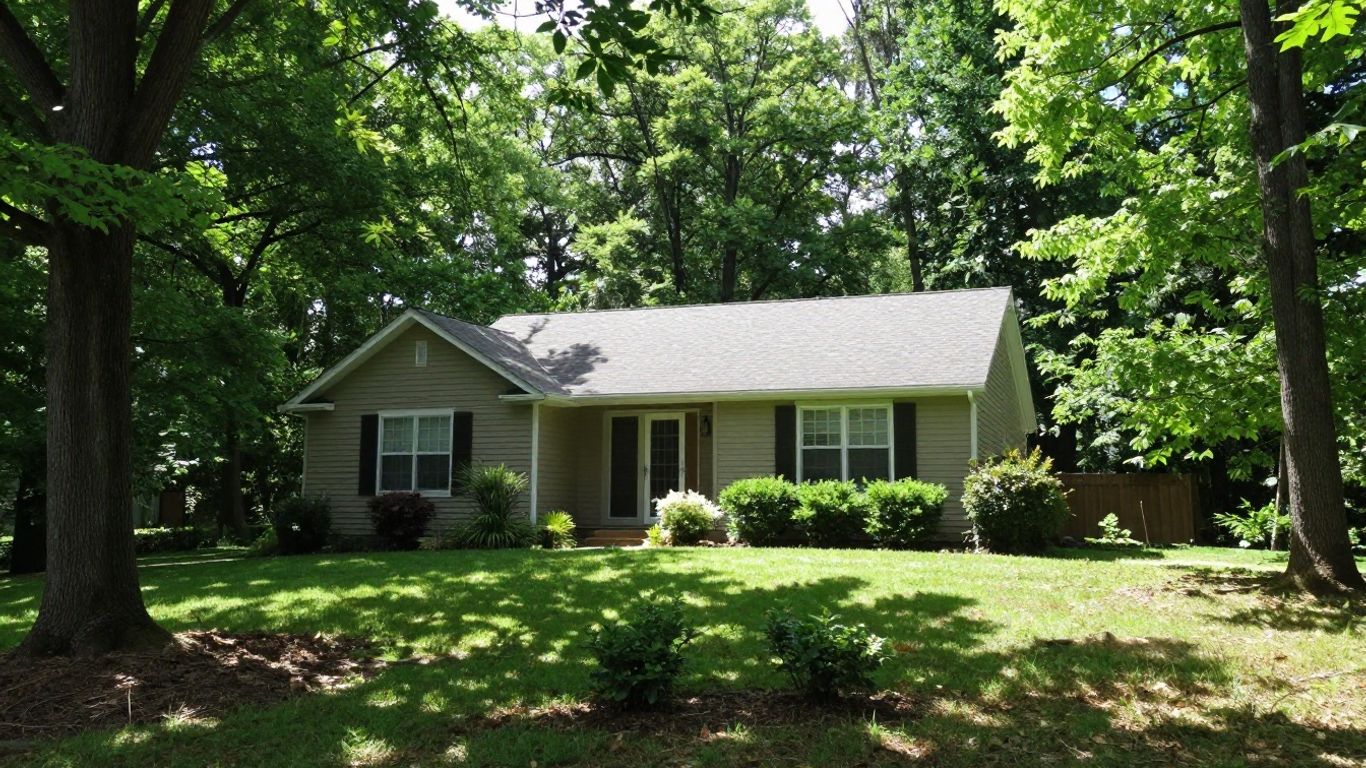
When we talk about creating defensible space, a big part of that involves looking at the trees around our homes. It’s not just about clearing brush; trees can pose a significant risk if they’re too close or unhealthy. We need to be smart about which ones we keep and which ones we need to remove.
Evaluating Tree Risks Near Your Home
Before we grab any tools, we have to take a good, hard look at the trees. Are they leaning towards the house? Do they have dead branches that could fall? Are they the kind of trees that produce a lot of flammable material, like dry needles or resinous leaves? We need to identify trees that could act as a ladder, carrying fire from the ground right up into the canopy and towards our homes.
Here are some things to check:
- Proximity: How close is the tree to your house, deck, or any outbuildings? Generally, the closer it is, the higher the risk.
- Health: Look for signs of disease, insect infestation, or decay. A sick tree is often a weak tree, and more likely to break or burn.
- Species: Some trees are naturally more flammable than others. Conifers, especially those with dense foliage and resin, tend to burn more readily.
- Overhead Lines: Are any branches hanging over power lines or your roof? These are immediate hazards.
Choosing the Right Trees for Removal
Once we’ve assessed the situation, we can start making decisions. It’s about prioritizing safety. We’re not trying to clear-cut our yards, but rather to create a buffer zone. This means focusing on trees that present the most immediate danger.
- Dead or Dying Trees: These are usually the first to go. They offer little benefit and can be a fire hazard.
- Trees Directly Overhanging Structures: If a tree’s branches reach your roof or deck, it’s a prime candidate for removal or significant pruning.
- Highly Flammable Species: We might consider removing or heavily limbing trees known for their high flammability, especially if they are close to the house.
- Trees Creating a "Ladder Fuel" Effect: Any vegetation that allows fire to climb from the ground into the tree canopy needs attention.
Making these decisions can be tough, especially if we have sentimental attachments to certain trees. However, when it comes to protecting our homes and families from wildfire, practicality has to come first. It’s a balance between keeping our property beautiful and keeping it safe.
We should also think about the understory vegetation. Sometimes, it’s not just the big trees, but the smaller, dense shrubs and bushes directly beneath them that can help fire spread upwards. Clearing these out is just as important as dealing with the larger trees.
Implementing Safe Tree Removal Practices
Once we’ve identified the trees that need to go, the next step is actually getting them down safely. This isn’t a job to take lightly, as falling trees can cause serious damage and injury. We need to approach this with the right tools and a solid plan.
Tools and Techniques for Effective Clearance
Getting rid of trees and branches requires the right equipment. For smaller limbs and brush, good quality loppers and a pruning saw work well. We’ll want to make clean cuts just outside the branch collar. For larger trees, things get more serious. We might need a chainsaw, but only if we have experience using one. If not, it’s better to call in professionals. When we’re cutting, we need to think about where the tree will fall. Using wedges can help direct the fall, and clearing a wide area around the base is a must. We should also consider using ropes to help control the direction of the fall, especially if the tree is leaning.
Here’s a quick look at some common tools:
- Hand Pruners/Loppers: For branches up to about 1.5 inches thick.
- Pruning Saw: For branches up to 4 inches thick.
- Chainsaw: For larger trees and branches (requires training and safety gear).
- Wedges: To help control the direction of a falling tree.
- Ropes: For guiding the fall of larger trees.
Safety Precautions During Tree Removal
Safety has to be our top priority. We must never work alone when removing trees. Always have at least one other person present to help and to call for assistance if something goes wrong. Before we even start cutting, we need to check the weather. High winds can make tree removal incredibly dangerous, so we’ll postpone the work if it’s too windy. We also need to wear the right protective gear. This includes a hard hat, safety glasses or a face shield, hearing protection if using a chainsaw, sturdy gloves, and steel-toed boots. We should also wear cut-resistant pants if operating a chainsaw.
Before making any cuts, we need to assess the tree and its surroundings:
- Check for overhead hazards: Look for power lines, other trees, or structures that could be hit.
- Determine the lean: Does the tree naturally lean in a certain direction? This will influence our cutting strategy.
- Clear the work area: Make sure there’s a safe escape route and that no one else is in the danger zone.
If a tree is large, diseased, or close to your home or power lines, it’s almost always best to hire a certified arborist. They have the training, equipment, and insurance to handle these risky situations safely. Trying to tackle a job beyond our skill level can lead to serious accidents.
We also need to be mindful of the felling zone, which is the area where the tree is expected to fall. This zone should be at least twice the height of the tree, and it needs to be completely clear of people and property. After the tree is down, we’ll deal with the branches and trunk, again, being careful about where we’re standing and how we’re moving the wood.
Maintaining Defensible Space Throughout Fire Season
Creating defensible space isn’t a one-and-done job. We need to keep up with it, especially as fire weather gets more intense. Think of it like tending a garden; it needs regular care to stay healthy and safe.
Inspecting and Updating Cleared Zones
We should make it a habit to walk around our property at least once a month, and more often when conditions are dry and windy. Look for a few key things:
- New Growth: Plants grow back, and small saplings can quickly become fire hazards. We need to remove any new growth that’s creeping back into the "lean" or "clean" zones we established.
- Debris Accumulation: Leaves, pine needles, and small branches can pile up, especially after windy days. These are fuel, plain and simple. We need to clear them out from roofs, gutters, and the ground around our homes.
- Overhanging Branches: Check trees again. Are any branches now reaching over the roof or close to the house? These can act as a ladder for flames. We might need to trim them back further.
Regular inspections are key to catching problems before they become serious.
Partnering With Local Resources for Ongoing Safety
We don’t have to do this all by ourselves. Our local fire department or community wildfire protection groups often have resources and advice. They might offer:
- Workshops: Sometimes they hold events where we can learn new techniques or get questions answered.
- Chipping Days: These events allow us to bring our pruned branches and have them chipped, making disposal easier and often free or low-cost.
- Guidance: They can provide specific advice tailored to our area’s vegetation and fire risks.
Staying connected with these groups means we’re always up-to-date on best practices and can get help when we need it. It’s about building a safer community together.
We should also keep an eye on local fire restrictions and burn bans. These are put in place for good reasons, and following them helps everyone stay safe.
Wrapping Up Our Firewise Efforts
So, we’ve gone over how to clear out those dry leaves and trim back overgrown bushes. It might seem like a lot of work, and honestly, it can be. But taking these steps now, before the really hot, dry weather hits, is a smart move for all of us. We’re not just tidying up our yards; we’re building a buffer, a bit of breathing room between our homes and potential danger. Think of it as a team effort, looking out for our neighbors and our community. Let’s keep this momentum going and make sure our homes are as safe as they can be when fire season really kicks into high gear. We can do this.
Frequently Asked Questions
How often should we check our defensible space during fire season?
We should check our defensible space at least once a month during fire season. This helps us catch any new growth or fallen branches that could become fire hazards. Regular checks keep our home safer.
Can we remove all the trees close to our house by ourselves?
We can remove some small trees and branches by ourselves if we have the right tools and feel safe. But for bigger trees or those close to power lines, it’s better to call a professional. Safety always comes first.
What should we do with the branches and leaves after clearing them?
After clearing, we should gather all the branches, leaves, and other plant material and take them to a green waste center if possible. We should not burn them, as this can be dangerous. Some communities also offer special pick-up days for yard waste during fire season.
