


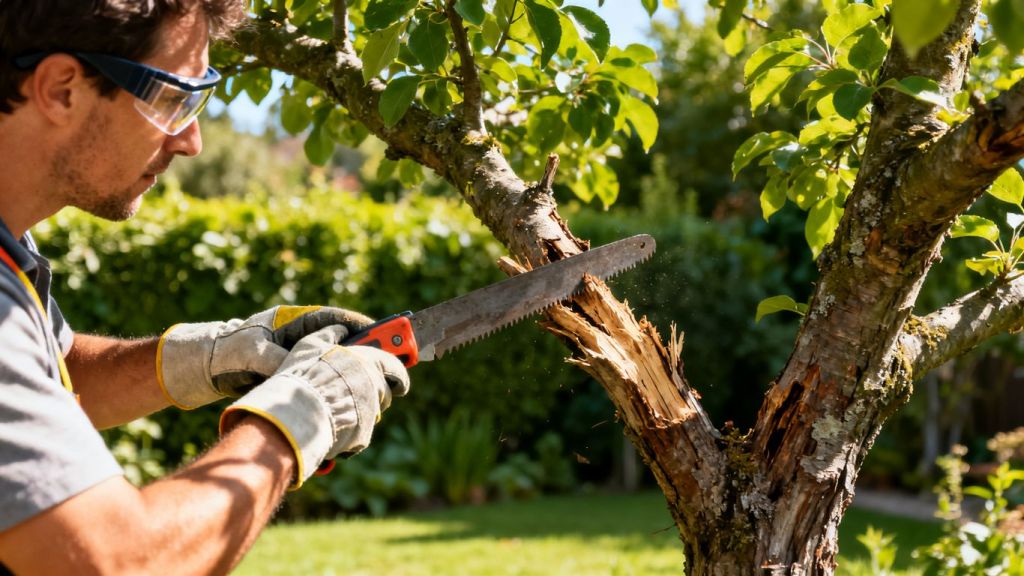
Summer’s heat can make deadwood on trees a real problem. We all want our yards to look good, but safety comes first, especially when the temperature climbs. Dealing with dead branches needs careful thought, and sometimes, it’s best to call in the pros. This article will help us figure out the risks and what to do about them, keeping everyone safe.
Key Takeaways
- We need to look closely at trees for dead branches that could fall, particularly in hot weather when wood can become brittle.
- When considering deadwood removal services, we must remember to use proper safety gear suited for hot conditions and employ careful, efficient removal methods.
- Understanding tree health signs helps us spot potential issues early, making the decision about needing deadwood removal services clearer.
Assessing Deadwood Risks During Summer
Summer heat can really change how we look at deadwood on our trees. What might seem like a minor issue in cooler months can become a bigger problem when temperatures soar. We need to be extra careful when assessing these risks, especially with the increased outdoor activity that comes with warmer weather.
Identifying Hazardous Branches
Spotting branches that are likely to fall is the first step. We look for several signs. Dead branches often lose their leaves earlier in the fall and don’t bud out in the spring. They might also have a brittle texture, snapping easily rather than bending. Look for discoloration, like a gray or black hue, on the bark or wood. Fungal growth or insect holes can also indicate decay.
- Branches that are completely bare of leaves when surrounding healthy branches are full.
- Branches with cracked or peeling bark, especially if large sections are missing.
- Branches that hang at an unnatural angle, suggesting they are weakened.
- Evidence of rot, such as soft wood or a musty smell.
We must pay close attention to deadwood that is overhanging walkways, driveways, or areas where people gather. These pose the most immediate threat.
Understanding Tree Health Indicators
Beyond just the dead branches, we should also consider the overall health of the tree. A tree that’s stressed by heat or drought might be more susceptible to disease and decay, making its deadwood more dangerous. We check for:
- Leaf Color and Size: Wilting, browning, or unusually small leaves can signal stress.
- Trunk Integrity: Look for deep cracks, cavities, or signs of rot at the base of the tree.
- Root System: While harder to see, any exposed or damaged roots are a concern.
- Canopy Density: A thinning canopy, even on otherwise healthy-looking trees, can indicate underlying issues.
Sometimes, a tree might look mostly healthy but have a few dead limbs. It’s easy to dismiss these, but a strong summer storm or even just a strong gust of wind can turn a seemingly small problem into a significant hazard. We need to treat all deadwood with respect, regardless of the tree’s general appearance.
We should also consider the species of tree. Some trees are naturally more prone to dropping branches, especially when stressed. Knowing your tree types can help us anticipate potential problems.
Safe Practices for Deadwood Removal Services
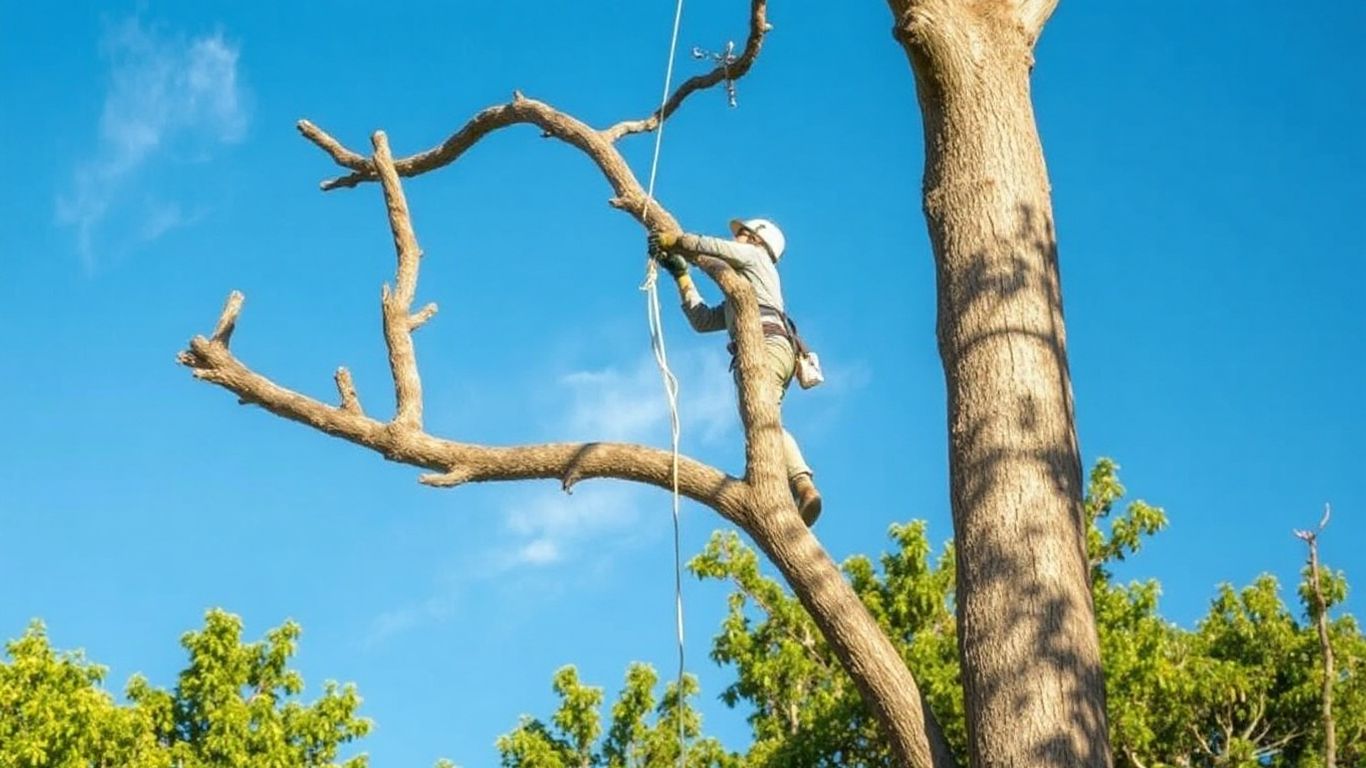
When summer heat really kicks in, dealing with deadwood on your trees becomes a bit more serious. We need to be smart about how we approach it, especially if we’re thinking about hiring someone to do the work. It’s not just about getting rid of the dead stuff; it’s about doing it safely for everyone involved and for the tree itself.
Essential Safety Gear for Hot Weather
Working in the heat adds another layer of risk. We can’t just grab any old tools and head out. Proper gear is non-negotiable. For us, this means:
- High-visibility clothing: Makes sure everyone can see us, especially if we’re working near roads or other people.
- Sturdy work boots: Protect our feet from falling debris and provide good grip.
- Safety glasses or goggles: Keep sawdust and small branches out of our eyes. This is super important.
- Work gloves: Protect our hands from splinters and give us a better grip on tools and branches.
- Hard hats: A must-have for any overhead work. Falling branches, even small ones, can cause serious injury.
- Sun protection: Wide-brimmed hats, sunscreen, and long sleeves help prevent sunburn and heat exhaustion.
Beyond the basics, staying hydrated is key. We always carry plenty of water and take frequent breaks in the shade. Recognizing the signs of heat stress in ourselves and our team is also part of our safety plan.
Techniques for Efficient Deadwood Removal
Removing deadwood effectively means using the right methods, especially when the weather is warm. We want to get the job done without causing more harm.
- Proper pruning cuts: We make clean cuts just outside the branch collar. This helps the tree heal better and reduces the chance of disease. A bad cut can create more problems than the deadwood itself.
- Using the right equipment: For smaller branches, hand pruners or loppers work well. For larger limbs, we use pole saws or chainsaws, always operated by trained professionals.
- Working from the ground when possible: If a branch can be reached safely from the ground, we do that first. This minimizes the need to climb, which is always riskier, especially in the heat.
- Assessing weight and balance: Before cutting a large dead branch, we look at how it’s likely to fall. Sometimes, we need to make a series of cuts to control its descent. This careful planning prevents damage to property and injury.
- Clean-up: Once the deadwood is down, we clear it away promptly. This not only makes the area look tidy but also removes potential tripping hazards.
When we’re working on deadwood removal in the summer, we’re always mindful of the conditions. The heat can make us tired faster, and tired workers make mistakes. That’s why we build in extra time for breaks and hydration. We also pay close attention to the condition of the deadwood itself. Sometimes, dry, brittle branches can break unexpectedly, so we approach them with extra caution. Our goal is always to leave the tree healthier and the area safer than we found it.
Wrapping Up
So, we’ve gone over how to handle deadwood during the hot summer months. It’s not a simple task, and safety really has to be the main thing on our minds. We talked about checking the weather, wearing the right gear, and knowing when to call it quits if things get too much. Remember, a lot of these jobs are best left to the pros, especially if the branches are big or near anything important. Taking your time and being smart about it means you can get the job done without any trouble. Stay cool out there and stay safe.
Frequently Asked Questions
Why is removing dead branches especially important in the summer?
During hot summer months, dead branches can become brittle and more likely to break off unexpectedly. Strong winds or even the weight of the branches themselves can cause them to fall, posing a danger to people, pets, and property below. It’s our responsibility to check for these hazards before they cause problems.
What kind of gear do we need to wear when clearing deadwood in the heat?
When working in the summer sun, we must wear protective gear that keeps us safe and cool. This includes sturdy work gloves, safety glasses to protect our eyes from falling debris, a hard hat for head protection, and long sleeves and pants made of breathable fabric. Staying hydrated is also crucial, so we always carry plenty of water.
Are there special ways to cut dead branches that are safer in hot weather?
Yes, we use careful cutting methods. We often start by making a small cut from the underside of the branch, a few feet away from the trunk. This helps prevent the bark from tearing when the branch falls. Then, we make the final cut from the top, closer to the trunk. This technique gives us better control and reduces the risk of damage to the healthy parts of the tree or anything beneath it.
