


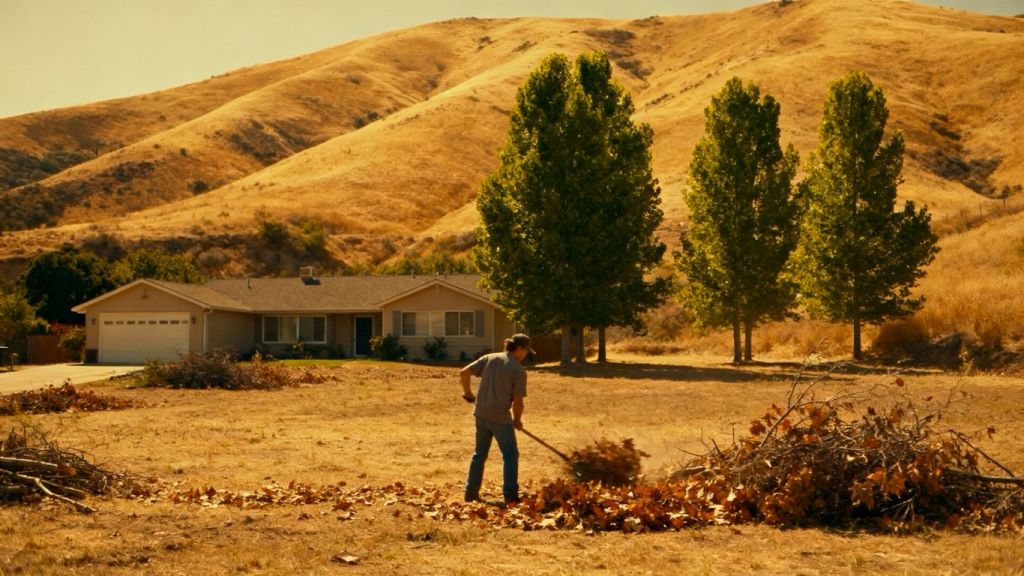
As wildfire season approaches, we need to think about how to keep our homes safe. Creating a buffer around our property is a big part of this. This means clearing away things that could easily catch fire. We’ll talk about how to set up safe zones and manage trees to reduce risk. It’s about making our homes less likely to burn if a fire comes near.
Key Takeaways
- Setting up defensible space involves creating zones around your home with less flammable material. Zone 1, right next to the house, needs the most attention to stop embers from starting fires.
- Managing trees is a key part of defensible space. We need to identify and remove trees that pose a high risk, especially those close to the house or with branches that could spread fire.
- Proper defensible space tree removal means cutting back branches, removing dead trees, and spacing trees apart. This makes it harder for fires to move through the area and reach our homes.
Creating Zones Of Safety Around Your Home
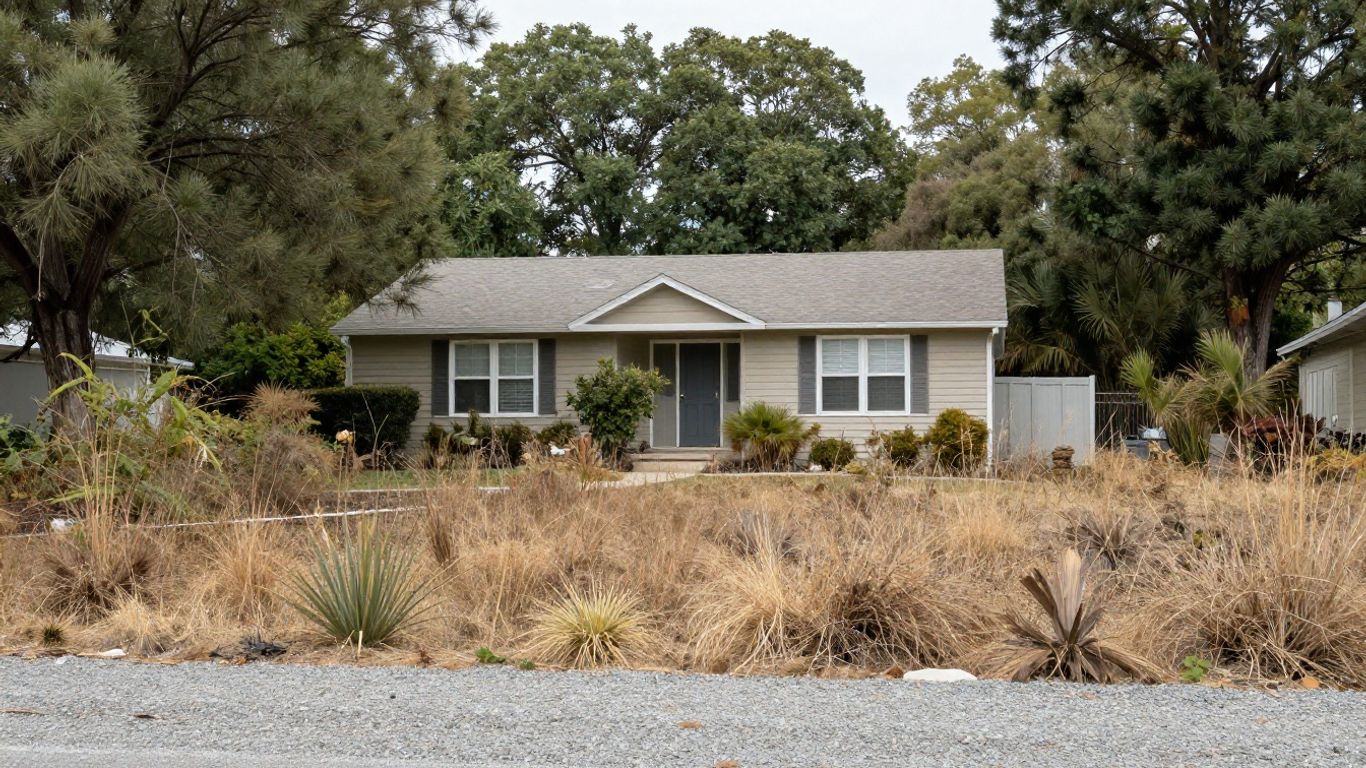
When wildfire season approaches, we all start thinking about how to keep our homes safe. A big part of that is creating what we call "defensible space." It’s not just about clearing brush; it’s about setting up a buffer zone around our houses that can slow down or stop a wildfire. Think of it as giving firefighters a better chance to protect our property.
Understanding Defensible Space Zones
Defensible space is broken down into different zones, each with its own purpose. The idea is to reduce the chances of our homes igniting from embers or direct flame contact. The closer a zone is to the house, the more intense the clearing needs to be. We’re essentially creating layers of protection.
- Zone 1: The Ember-Resistant Zone
This is the area immediately surrounding your home, extending out about 30 feet. It’s the most critical zone because most home ignitions during wildfires happen from embers landing on or near the house. We need to make this area as non-flammable as possible. - Zone 2: The Intermediate Zone
This zone extends from the edge of Zone 1 out to about 100-200 feet, depending on the slope of your property. Here, the focus shifts to reducing fuel load and creating spacing between vegetation. - Zone 3: The Reduced Fuel Zone
This is the furthest zone, and its purpose is to slow the fire’s approach. It’s about managing larger areas of vegetation to reduce the intensity of a wildfire before it reaches your home.
Implementing Zone 1: The Ember-Resistant Zone
This is where we need to be really diligent. The goal here is to remove anything that could easily catch fire and spread flames to our house. We’re talking about dead plants, dry leaves, and anything that can act like a wick.
Here’s what we focus on in Zone 1:
- Remove all dead vegetation: This includes dead trees, shrubs, grass, and any accumulated dead leaves or pine needles. They are prime targets for embers.
- Clear combustible materials: Get rid of firewood piles, lumber, and outdoor furniture cushions from this area. If you must store firewood, keep it at least 30 feet away from your home, ideally in Zone 2 or further.
- Maintain landscaping: Keep lawns mowed short and well-watered. Trim tree branches so they are at least 6 feet from the ground and don’t touch your house or roof. Remove any low-hanging branches from trees within this zone.
- Clean your roof and gutters: Regularly remove leaves, pine needles, and other debris. This is a common place for embers to collect and start a fire.
We need to think of Zone 1 as a clean slate. The less flammable material we have here, the less likely our home is to catch fire from stray embers or small flames. It’s about creating a space where fire struggles to find fuel.
Here’s a quick look at what to aim for in Zone 1:
| Item | Action |
|---|---|
| Vegetation | Remove dead plants, keep grass short |
| Debris | Clear leaves, needles, and branches |
| Fuel Storage | Move firewood and lumber away from home |
| Structures | Ensure no vegetation touches the building |
| Roof & Gutters | Keep clean and free of debris |
Strategic Tree Management For Wildfire Preparedness
When we talk about defensible space, trees are a big part of the picture. They can be beautiful, providing shade and privacy, but they can also become a serious fire hazard if not managed properly. Our goal is to make our properties less inviting to wildfires, and that means being smart about the trees we have.
Prioritizing Defensible Space Tree Removal
Not all trees need to go, but some definitely do. We need to look at trees that are dead, diseased, or dying. These are basically tinder waiting for a spark. Also, consider trees that are too close to the house or other structures. We’re talking about a minimum of 10 feet, but more is always better, especially for larger trees. Think about the ladder fuels too – those low-hanging branches that can let a fire climb up into the canopy. Removing these is a top priority.
Here’s a quick rundown of what to look for:
- Dead or dying trees: These are the most immediate risk.
- Trees touching or overhanging the roof: Fire can easily jump from branches to your home.
- Dense clusters of trees: Thinning these out reduces the intensity of a potential fire.
- Trees with low branches: These act like a ladder for flames.
We need to be realistic about the risks. A well-maintained landscape is a safer landscape. It’s not about removing every tree, but about making thoughtful decisions that protect our homes and families.
Techniques For Safe And Effective Tree Clearing
Once we’ve identified which trees need attention, how do we go about clearing them? Safety is number one, both for us and for the property. If you’re not comfortable with chainsaws or working at heights, it’s best to hire a professional. They have the right equipment and know-how to do the job safely.
If you are doing some of the work yourself, here are some things to keep in mind:
- Clearance Distance: Aim for at least 10 feet of space between tree canopies and between trees and your home. For larger trees, this distance should be greater.
- Limbing Up: Remove branches up to 6 to 10 feet from the ground. This breaks up the continuous fuel path.
- Thinning: Reduce the density of trees in heavily wooded areas. Leave space between remaining trees so they aren’t touching.
- Debris Removal: Don’t just leave piles of branches and leaves lying around. Remove all cleared vegetation from your property promptly. This material is highly flammable.
Remember, this is an ongoing process. We need to regularly inspect our trees and clear away dead material. It’s a bit of work, but it’s a necessary part of living in a fire-prone area.
Wrapping Up Our Defensible Space Efforts
So, we’ve gone over why clearing around our homes is so important when fire season rolls around. It’s not just about making things look tidy, though that’s a nice bonus. Taking these steps, like trimming back trees and moving firewood away from the house, really does make a difference in how safe our properties are. It might seem like a lot of work at first, but breaking it down into smaller jobs makes it manageable. We hope this guide has given you a clear picture of what needs doing. Getting our homes ready is something we can all do together, and it gives us a bit more peace of mind when those hot, dry days arrive.
Frequently Asked Questions
What exactly is defensible space, and why is it so important for our homes?
Defensible space is essentially a buffer zone we create around our homes to slow down or stop a wildfire from reaching us. Think of it as giving our houses a fighting chance. By clearing out flammable stuff like dry leaves, bushes, and overhanging branches, we make it much harder for flames to jump from the wildland to our property. This gives firefighters a safer area to work in and, most importantly, increases our chances of keeping our homes safe when a fire threatens.
When we talk about clearing trees, are we saying we need to chop down every single one?
Not at all! The goal isn’t to create a barren wasteland. Instead, we focus on managing trees strategically. This means removing dead or dying trees, especially those close to the house or power lines, as they can easily catch fire and spread flames. We also thin out dense areas of trees and trim lower branches. This helps prevent fire from climbing up into the tree canopy and moving from tree to tree, which can be incredibly dangerous.
Are there specific areas around our house that we should pay extra attention to when clearing?
Yes, absolutely. We divide the area around our homes into different zones. The most critical zone, Zone 1, is the area right next to our house, extending about 30 feet out. This is our Ember-Resistant Zone. Here, we need to be extra careful to remove anything that can easily catch fire from flying embers, which are a major cause of home ignitions during wildfires. This includes clearing gutters, removing dead plants, and making sure there’s no flammable material stored near the house.
