


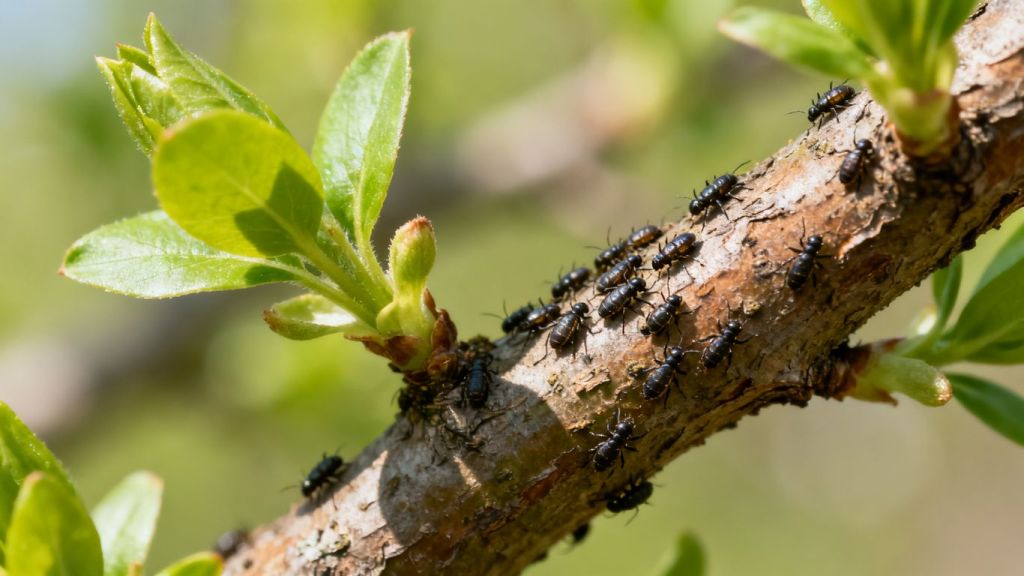
As spring gives way to warmer weather, our trees in Sheridan yards can start to show signs of stress. This time of year is also when certain pests become more active, looking for new hosts. We want to help you keep your trees healthy, so we’ve put together some tips on what to look for and what to do. Good tree pest control starts with knowing your enemy, so let’s get started.
Key Takeaways
- Late spring is a prime time for common tree pests like aphids and borers to appear in our yards. We need to be aware of these threats.
- Spotting these pests early is the best way to manage them. Knowing what to look for helps us act fast.
- We have several options for tree pest control, from simple prevention to using natural or chemical treatments if needed.
Identifying Common Late Spring Tree Pests
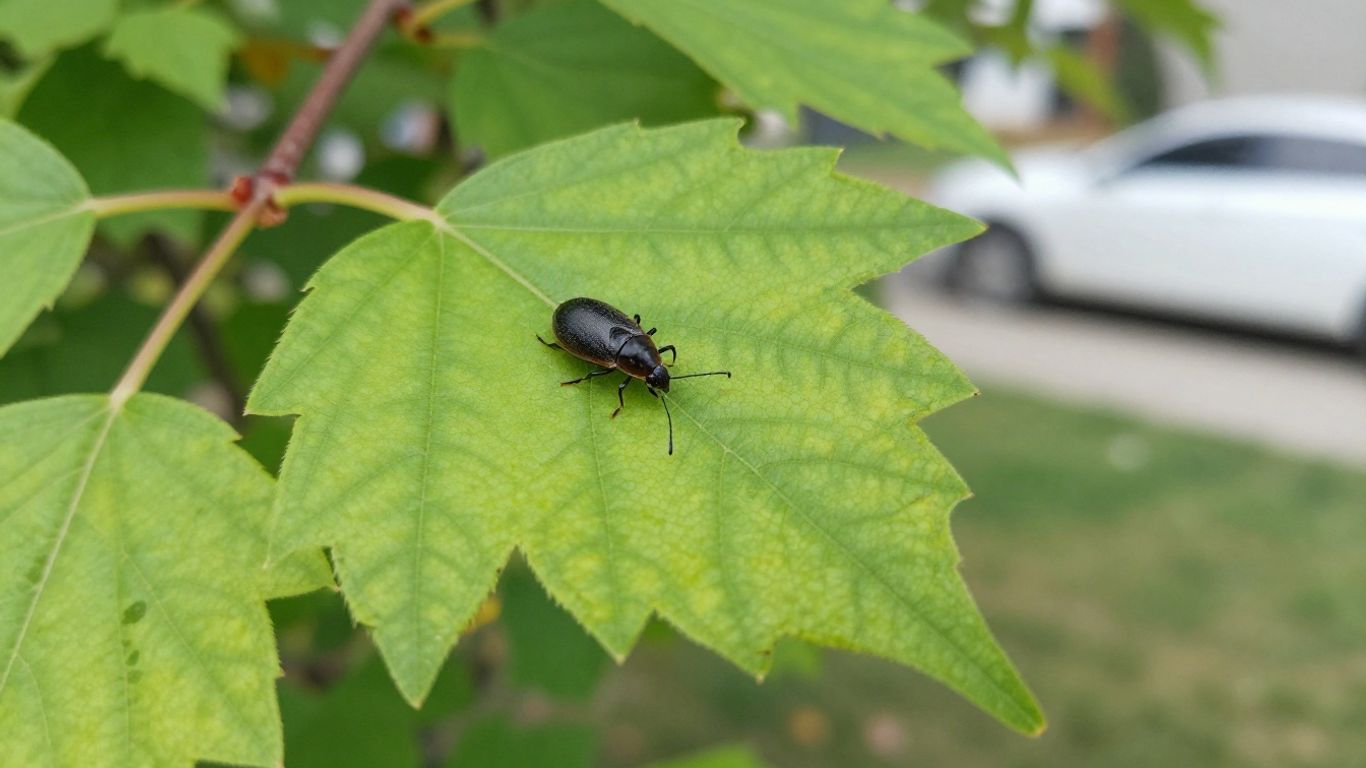
As the weather warms up here in Sheridan, our trees are really starting to show off their new leaves. It’s a beautiful time of year, but it’s also when some unwelcome guests tend to show up. We need to keep an eye out for a couple of common pests that can cause real trouble if we don’t catch them early. Paying attention now can save our trees a lot of stress later on.
Aphids: Tiny Sap-Suckers to Watch For
These little guys are probably the most common pest we’ll see. Aphids are small, soft-bodied insects, usually green, but they can also be black, brown, or even yellow. They tend to cluster on new growth, like the tips of branches and the undersides of leaves. What they do is pretty simple: they pierce plant tissues and suck out the sap. This can weaken the tree, stunt its growth, and make leaves curl or turn yellow. You might also notice a sticky residue on leaves or branches below where the aphids are feeding. This is called honeydew, and it can sometimes lead to a black, sooty mold growing on it.
- Appearance: Small, pear-shaped insects, often green, but can vary in color.
- Location: Found in clusters on new growth, buds, and leaf undersides.
- Damage: Weakened growth, yellowing leaves, curled leaves, sticky honeydew.
Borers: The Silent Destroyers of Tree Health
Borers are a bit trickier to spot because much of their damage happens inside the tree. These are typically the larval stage of certain beetles or moths. They tunnel into the bark or wood, feeding on the tree’s inner tissues. This disrupts the flow of water and nutrients, which can be devastating. Signs of borers aren’t always obvious at first. You might see small holes in the bark, sawdust-like material (called frass) pushed out of these holes, or wilting branches that look like they’re dying for no clear reason. Some borers attack the trunk, while others go for branches. The key is that they work unseen, making early detection really important.
- Types: Many kinds, including bark beetles, emerald ash borers, and clearwing moths.
- Activity: Larvae tunnel under the bark or into the wood.
- Symptoms: Small holes in bark, frass (sawdust-like material), wilting branches, dieback.
It’s easy to overlook these small signs, especially when we’re busy. But a little bit of observation now can make a big difference for the health of our trees throughout the summer and beyond. We want our yards to look their best, and healthy trees are a huge part of that.
Effective Tree Pest Control Strategies
We’ve talked about spotting some common pests, but what do we do once we find them? Dealing with tree invaders requires a plan, and thankfully, there are several ways we can tackle infestations. It’s not always about reaching for the strongest chemicals right away; often, a more thoughtful approach works best for our yards and the environment.
Early Detection and Prevention for Tree Pest Control
An ounce of prevention, as they say, is worth a pound of cure. Keeping an eye on our trees regularly is the first line of defense. We should aim to inspect our trees at least a couple of times during the growing season, especially in late spring when many pests become active. Look for any unusual spots, sticky residue, or wilting leaves. Healthy trees are also less attractive to pests, so proper watering and mulching can make a big difference. We can also consider planting a variety of trees, as monocultures can be more vulnerable to widespread pest issues.
- Regularly inspect bark and leaves for signs of damage or insect presence.
- Maintain good soil health with appropriate watering and occasional fertilization.
- Prune dead or diseased branches promptly to remove potential hiding spots and entry points for pests.
- Consider companion planting with species that naturally deter certain pests.
The best time to address a pest problem is before it becomes a big problem. Simple, consistent observation can save us a lot of trouble down the line.
Natural and Chemical Treatments for Infestations
When prevention isn’t enough, we have options. For smaller infestations, we might start with simpler methods. Sometimes, a strong blast of water from the hose can dislodge aphids. For more persistent issues, insecticidal soaps or horticultural oils are good choices. These are generally less harmful to beneficial insects and the environment. We can also introduce natural predators, like ladybugs, if aphids are the main concern.
If the infestation is severe, we might need to consider chemical treatments. It’s important to identify the specific pest accurately before choosing a product. Always read and follow the label instructions carefully, paying attention to application timing and safety precautions. We want to target the pest effectively without harming the tree or other organisms in our yards.
Here’s a quick look at some common treatment approaches:
- Manual Removal: Physically picking off larger pests or wiping away smaller ones.
- Water Spray: A forceful stream of water can dislodge aphids and spider mites.
- Insecticidal Soaps & Horticultural Oils: These suffocate soft-bodied insects. They are often effective and have a lower environmental impact.
- Neem Oil: Derived from the neem tree, it disrupts insect growth and feeding.
- Biological Controls: Introducing beneficial insects like ladybugs or lacewings.
- Chemical Insecticides: Used as a last resort for severe infestations, targeting specific pests. Always use with caution and follow all directions.
Wrapping Up Our Spring Pest Watch
So, as we move further into late spring here in Sheridan, we hope this guide has been helpful. Keeping an eye on our trees is a good habit to get into, especially this time of year. We’ve covered some of the common pests you might spot and what to look for. Remember, early detection often makes dealing with these issues much simpler. If you see something concerning, don’t hesitate to take a closer look or reach out for advice. Taking care of our yards is a shared effort, and a little vigilance goes a long way in keeping our trees healthy and strong for the seasons ahead.
Frequently Asked Questions
What are the most common tree pests we might see in our yards as spring turns into summer?
As the weather warms up, we often start noticing small bugs that can bother our trees. Two common ones are aphids, which are tiny and like to suck the sweet juice from leaves, and borers. Borers are a bit trickier because they tunnel into the wood, and we might not see them until they’ve caused some damage.
How can we best prevent these tree pests from becoming a big problem?
The best defense is to keep a close eye on our trees. Checking them often, especially the new growth and the undersides of leaves, helps us spot any early signs of trouble. Keeping trees healthy by watering them properly and making sure they have good soil also makes them stronger and less appealing to pests.
What should we do if we find pests on our trees?
If we discover pests, we have a few options. Sometimes, a strong spray of water can wash off aphids. For more serious issues, we might look into natural sprays, like insecticidal soap or neem oil, which are gentler. If the problem is really bad, we might need to consider stronger treatments, but it’s always best to try the milder options first or consult with a tree expert.
