


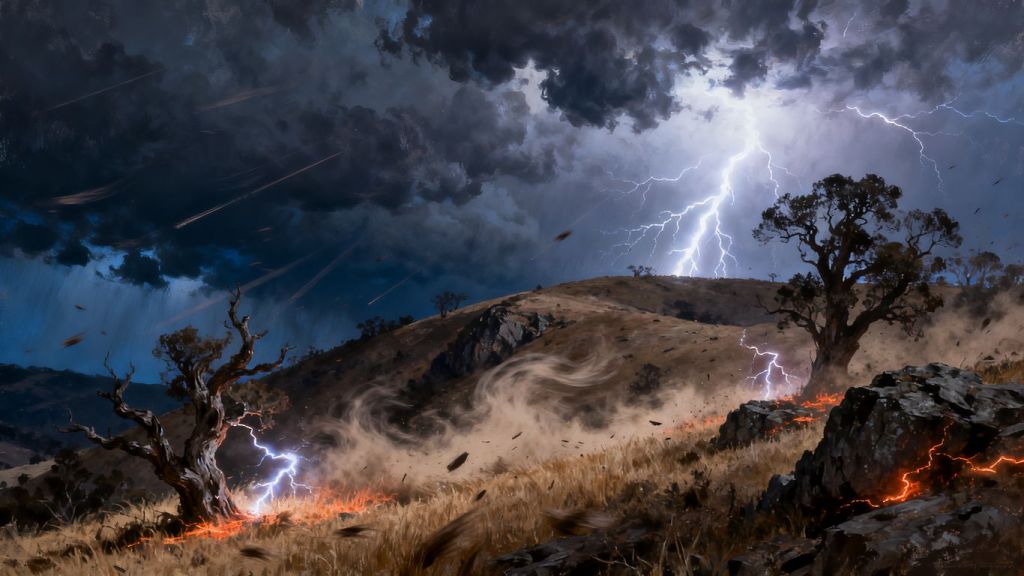
Living in the foothills means we often face dry lightning and wind storms. These events can be quite rough on our properties, especially our trees. We need to be ready for them. This means looking at what can go wrong and how to get our homes and yards in better shape before the storms hit. We’ll also cover what to do if things go wrong and we need help cleaning up afterward.
Key Takeaways
- We should understand how storms affect trees and what dangers dead or weak trees can cause, like falling branches or entire trees.
- Getting professional help from tree removal services can help us figure out which trees are risky and get them trimmed or removed before a storm.
- After a storm, we need to know when it’s safe to clean up ourselves and when to call tree removal services for bigger jobs.
Understanding the Risks of Dry Lightning and Wind Storms
Living in the foothills means we’re often treated to some pretty spectacular weather. But with that beauty comes risk, especially when we talk about dry lightning and wind storms. These events can catch us off guard, and understanding how they affect our properties is the first step in staying safe.
How Storms Impact Tree Stability
Trees are a big part of what makes the foothills so lovely, but they can also become a hazard during severe weather. Strong winds can put a lot of stress on tree branches and root systems. If a tree is already weakened by disease, pests, or just age, it’s much more likely to fail. We’ve seen it happen – a healthy-looking oak can suddenly lose a massive limb, or worse, topple over entirely.
- Root rot: This is a silent killer for trees. When roots are compromised, the tree loses its anchor.
- Shallow root systems: Many trees in our area don’t have deep roots, making them more susceptible to being uprooted by strong winds.
- Branch structure: V-shaped crotches where branches meet the trunk are weak points. Over time, they can split under pressure.
Dry lightning, while not directly causing trees to fall like wind does, presents a different kind of danger. A lightning strike can ignite dry vegetation, and in our often-parched environment, these fires can spread with frightening speed. The combination of high winds and dry conditions creates a perfect storm for rapid fire growth.
Common Hazards from Untrimmed Trees
Untrimmed trees are a significant source of problems when storms roll in. Overgrown branches can snag on power lines, causing outages or even fires. Dead or dying limbs are brittle and prone to breaking off, posing a serious threat to homes, vehicles, and people.
Here are some common issues we see:
- Falling limbs: These can cause property damage, injure people, or block access routes.
- Power line interference: Branches touching or falling onto power lines are a major safety concern.
- Fire risk: Dry, dead branches can easily catch fire, especially during dry lightning events.
It’s easy to think of trees as permanent fixtures, but they are living things that change and age. Regular checks and maintenance are not just about aesthetics; they are about preventing potential disasters. We need to be proactive about assessing the health and stability of the trees on our property, especially those close to our homes or other structures.
Preparing Your Property for Seasonal Storms
When we think about the dry lightning and wind storms that roll through the foothills, it’s easy to focus on the immediate danger. But a lot of what we can do to stay safe happens before the storm even shows up. Taking proactive steps around our homes and property can make a big difference when the winds pick up and the lightning starts to crackle.
Partnering With Tree Removal Services for Risk Assessment
We’ve found that sometimes, the best way to know what’s risky on our property is to get a professional opinion. We’ve worked with local tree removal services, and they really know their stuff when it comes to identifying trees that might be a problem. They can spot things we’d never notice, like weak branches or trees that are leaning a bit too much.
Here’s what we usually ask them to look for:
- Tree Health: Are there signs of disease or pests that are weakening the tree?
- Root System: Is the ground around the base of the tree stable, or are there signs of root rot or damage?
- Tree Species: Some trees are just naturally more prone to breaking in high winds.
- Proximity to Structures: How close is the tree to our house, garage, or power lines?
Getting this kind of assessment done, maybe once a year or after a particularly bad storm, gives us a clear picture of where we need to focus our attention. It’s a small investment that can prevent a much larger headache later on.
Clearing Deadwood and Hazardous Limbs
Once we have a better idea of what needs attention, the next step is actually doing the work. This is where we get hands-on, or sometimes, we hire out the more difficult jobs.
- Remove Dead Branches: These are the most obvious culprits. They’re brittle and can snap off easily in the wind, becoming projectiles.
- Trim Overhanging Limbs: Branches that hang directly over our roof, driveway, or areas where people gather are a major concern. We want to create a clear space.
- Address Diseased or Damaged Trees: If a tree is clearly unhealthy or has significant damage, it might be best to have it removed entirely, especially if it’s close to anything important.
We’ve learned that tackling this bit by bit is more manageable. We try to do a little bit of clearing after each season, rather than waiting for a big, overwhelming cleanup before storm season hits. It makes the whole process feel less daunting.
Sometimes, the most effective preparation involves looking at what’s already on our land and making smart decisions about its future. It’s about managing the risks that are literally growing in our own backyards. We can’t control the weather, but we can certainly control how ready we are for it.
Emergency Response and Clean-Up Tips After a Storm
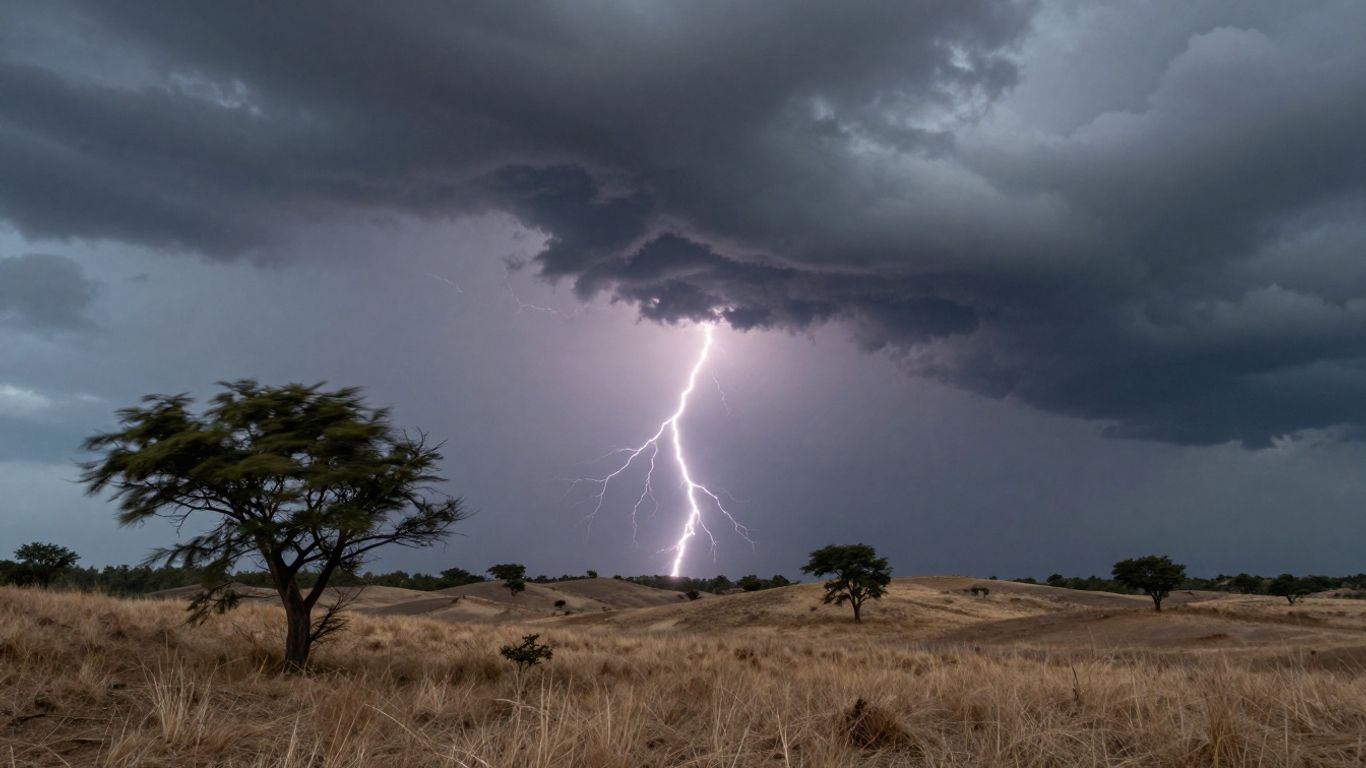
After a dry lightning or wind storm has passed through, our immediate focus shifts to safety and assessing the damage. We need to be prepared for what comes next.
When to Contact Tree Removal Services Post-Storm
Sometimes, the damage is obvious, but other times it’s less so. We should always err on the side of caution when it comes to trees after a storm.
- Look for leaning trees: If a tree that was once upright is now noticeably leaning, it might have compromised roots. This is a serious hazard.
- Check for downed power lines: Never approach downed power lines. Report them immediately to the utility company and stay far away. Assume they are live.
- Assess large broken limbs: Big branches that are hanging precariously, even if they haven’t fallen completely, pose a significant risk.
- Notice unusual ground disturbance: If the ground around the base of a tree looks like it’s been pushed up or is cracked, the root system could be failing.
Calling a professional tree removal service is the safest bet for any of these situations. They have the equipment and know-how to handle dangerous trees safely.
Safe Practices for Immediate Yard Clean-Up
Once we’ve confirmed the area is safe and any immediate tree hazards are being addressed by professionals, we can start thinking about tidying up. Even small debris can be a tripping hazard.
- Wear protective gear: Always wear sturdy gloves, closed-toe shoes, and eye protection when cleaning up debris. Small twigs and sharp objects can cause injuries.
- Be mindful of hidden dangers: Look out for broken glass, sharp metal, or other sharp objects mixed in with leaves and branches.
- Sort debris properly: Separate branches from other yard waste if your local waste management has specific guidelines. This helps with disposal.
- Clear pathways first: Focus on clearing walkways, driveways, and around your home’s foundation to prevent accidents and water pooling.
We must remember that our personal safety comes first during any clean-up. Rushing the process or ignoring potential dangers can lead to injuries that are worse than the storm damage itself. Take your time and be aware of your surroundings.
For larger branches or significant amounts of debris, it might be more efficient and safer to arrange for a professional clean-up service. They can often haul away debris quickly, saving us time and effort.
Staying Safe When the Winds Pick Up
So, we’ve talked about getting ready for those dry lightning and wind storms that can hit us here in the foothills. It’s not about being scared, but about being smart. Taking a little time now to clear brush, check our homes, and have a plan can make a big difference when the weather gets rough. We all want to keep ourselves and our families safe, and being prepared is the best way to do that. Let’s all do our part to be ready for whatever nature throws our way.
Frequently Asked Questions
Why are dry lightning and wind storms particularly dangerous for trees in our area?
Dry lightning, which happens without rain, and strong winds can be a bad combination for trees. When the ground is dry, trees can’t get enough water, making them weaker. High winds can then easily snap branches or even knock over entire trees, especially if they have dead parts or are leaning in a risky way. We need to be aware of how these weather patterns can affect the trees around our homes.
What are the main steps we should take to make our property safer before a storm hits?
Before a storm, our priority should be to reduce potential dangers. This means we should look at our trees closely. If we see any dead branches or trees that look like they might fall, we should consider getting professional help. Hiring tree services to check things out and remove risky limbs is a smart move. Keeping our yards clear of loose items that could blow around is also important.
After a storm passes, what’s the safest way to clean up our yard, and when should we call for help?
Once the storm is over, we need to be careful when we go outside. If we see large fallen branches or trees that are blocking access or look dangerous, we should not try to move them ourselves. It’s best to call tree removal services right away. For smaller debris, we can carefully clean it up ourselves, making sure to wear protective gear like gloves and sturdy shoes. Safety first is always the rule after a storm.
