


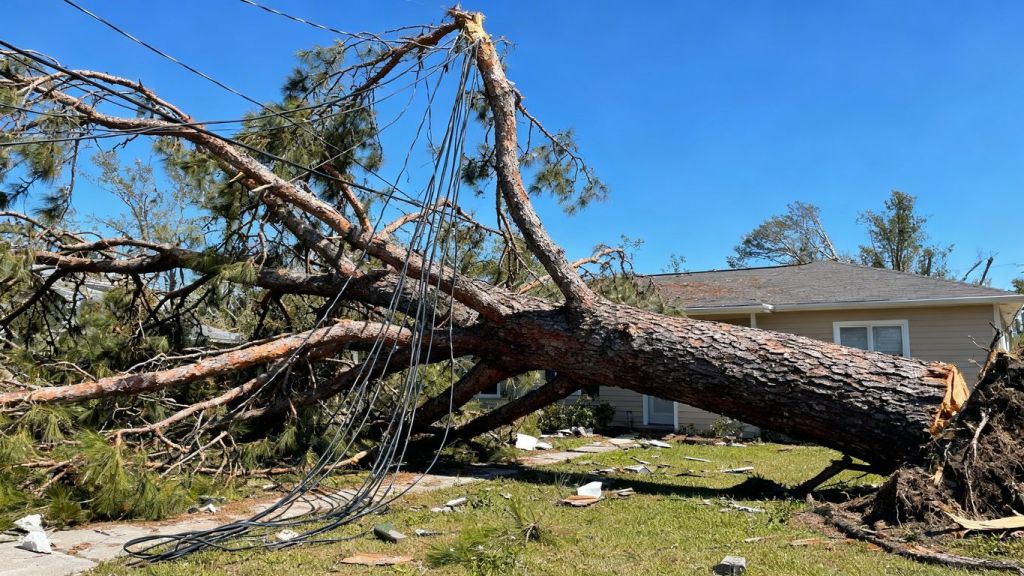
After a strong storm, our yards can look quite different. We might find trees down, and sometimes, power lines go with them. It’s important we know what to do to stay safe and get things cleaned up. This guide will help us understand the risks and what steps to take, especially when we need to call for help with tree removal services.
Key Takeaways
- We need to spot dangers from fallen trees and power lines right away. If we see downed wires, we should stay far back and call the power company and local officials immediately. Don’t try to touch or move anything that looks like a hazard.
- Before any professional help arrives, we should set up a safe zone around the damaged areas. This keeps everyone, including pets and neighbors, away from harm. Talking to people nearby can help everyone stay aware of the risks.
- When it’s time for cleanup, hiring professional tree removal services is the best way to go. Certified arborists know how to handle downed trees safely and correctly. They can also help with getting rid of the debris properly.
Recognizing Hazards from Downed Trees and Power Lines
After a storm, it’s easy to feel relieved that the worst is over. But before we head back outside to survey the damage, we need to be aware of new dangers that might be lurking. Downed trees and, especially, power lines present serious risks that we must identify and handle with care.
Identifying Immediate Dangers to Your Yard
When we look around our yards after bad weather, we’re often focused on the mess. But some of that mess can be deadly. A tree that has fallen might look like just a big pile of wood, but it could be unstable. It might be resting on other branches or structures, ready to shift unexpectedly. We need to watch out for these.
- Look for trees leaning at odd angles. If a tree is leaning heavily, it might be about to fall completely. Keep a good distance away from it.
- Check for broken branches. Large branches that are hanging precariously can fall without warning, even if the main trunk is still standing.
- Be aware of anything touching power lines. This is the most dangerous situation. If a tree or any part of it is touching a power line, the entire tree and anything it’s touching can become electrified. Never approach or touch anything that is in contact with a power line.
- Watch for downed power lines on the ground. These lines can still carry electricity, even if they aren’t sparking. Assume all downed lines are live and dangerous.
It’s easy to underestimate the danger of a downed tree or a fallen power line. We might think, ‘It’s just a tree,’ or ‘The power is out anyway, so it’s probably safe.’ This kind of thinking can lead to serious injury or worse. Always err on the side of caution.
Reporting Damage to Local Authorities Safely
Once we’ve identified potential hazards, the next step is to report them. We don’t want to try and fix these problems ourselves. That’s a job for trained professionals. Reporting is simple, but we need to do it from a safe distance.
- Call your utility company first if you see downed power lines. They have specific numbers for reporting outages and downed lines. You can usually find this number on your electricity bill or by searching online for your provider.
- Contact your local municipality or public works department for downed trees. If a tree is blocking a public road or has fallen on your property but isn’t near power lines, your local government might be responsible for its removal, especially if it’s a city-owned tree.
- Keep your distance while waiting for help. Once you’ve made the report, stay away from the hazard. Don’t let children or pets play near the area.
Remember, our safety and the safety of our neighbors come first. Reporting these issues promptly and correctly helps get the right people on the job to fix them without putting anyone else at risk.
Safe Steps to Take Before Tree Removal Services Arrive
After a storm, seeing downed trees and potentially damaged power lines can be unsettling. Before the professionals get here to sort things out, we need to take some smart steps to keep ourselves and our neighbors safe. It’s not just about staying away from the immediate danger; it’s also about making sure everyone knows what’s going on.
Establishing a Clear Perimeter Around Hazards
This is probably the most important thing we can do. If a tree has fallen, especially if it’s near a power line or a structure, we need to create a wide berth around it. Think of it as a safety zone. Don’t let kids or pets wander anywhere near the downed tree or any debris. If a power line is involved, the danger zone is much, much larger than you might think. Assume any downed line is live and extremely dangerous. We should use caution tape if we have it, or even just place large objects like wheelbarrows or cones to mark off the area. It’s better to be overly cautious here. We want to prevent anyone from accidentally getting too close.
Communicating with Neighbors About Potential Risks
Storms don’t respect property lines, and neither do hazards. If a fallen tree or a downed line on our property poses a risk to a neighbor’s yard or home, we need to let them know. A quick phone call or a friendly chat over the fence can go a long way. Share what you’ve observed and what steps you’re taking. This kind of communication helps everyone stay aware and safe. We can also coordinate if we see similar issues on their property. It’s about looking out for each other during these times. We should also be aware of any public safety notices from our local utility companies or emergency services. They often have websites or social media updates about affected areas and safety advice.
Choosing Professional Tree Removal Services for Post-Storm Cleanup
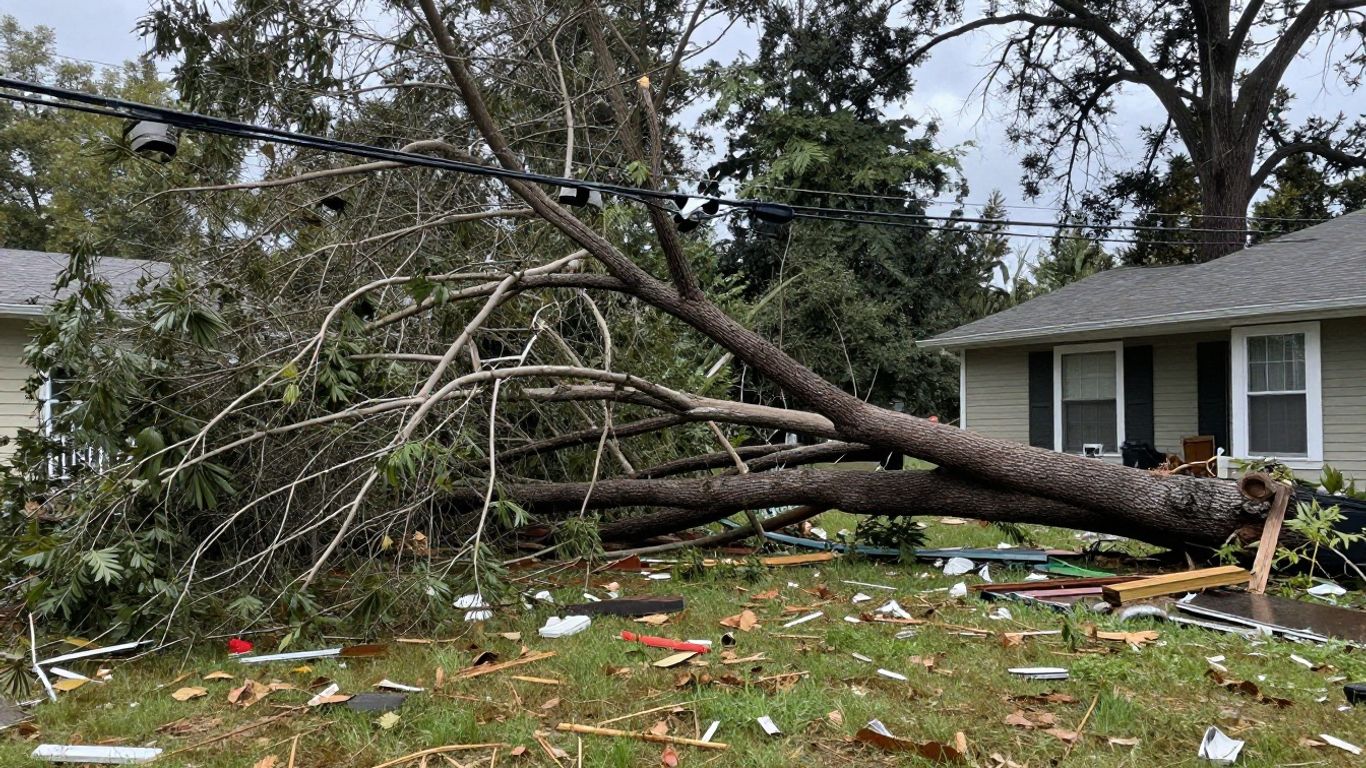
When the spring storms roll through and leave a mess behind, taking care of fallen trees isn’t something we want to gamble on. Safety comes first, and bringing in professionals often makes all the difference. Let’s talk about what happens when we decide it’s time for certified arborists to handle cleanup, and why it actually matters.
What to Expect from Certified Arborists
There’s a big difference between folks with a chainsaw and those with actual training. A certified arborist comes ready to:
- Inspect the area for unseen risks, like hidden power lines or split tree branches
- Use safety gear and proper techniques so nobody gets hurt
- Give advice on what can be saved and what must go
- Clean up with the right equipment so our yards don’t look like a storm hit them twice
If you’re like us, you probably wonder what makes an arborist certified. Here’s a quick overview:
| Service Provider | Insurance | Certification | Emergency 24/7? |
|---|---|---|---|
| General Landscaper | Sometimes | Rarely | Sometimes |
| Certified Arborist | Always | Always | Usually |
Letting certified folks take over means we don’t risk getting hurt or making things worse—plus, insurance matters if anything goes wrong.
Ensuring Proper Disposal of Downed Trees and Debris
Once the big stuff is out of the way, what about the leftover mess? The right service will:
- Separate wood that can be recycled, mulched, or donated
- Haul away all debris, not just dump it at the curb
- Follow community rules about yard waste and landfill disposal
Some towns have guidelines for tree debris disposal, especially after storms. We should ask if our contractor will handle paperwork if needed. When cleanup is done right, we’re left with a safer, cleaner yard—without piles of soggy sticks and leaves sitting for weeks.
And let’s be honest, the relief we feel when professionals handle it all? Worth every penny.
Wrapping Up Our Spring Yard Safety
So, as we head into warmer weather, let’s all keep these safety tips in mind. Dealing with downed trees and power lines after a storm isn’t something we want to mess with. It’s better to be safe than sorry, right? We should always give the pros a call when we see downed lines or big, broken branches. Our yards are for enjoying, not for taking risks. Let’s make sure our outdoor spaces are safe for everyone, especially the kids and pets. A little caution goes a long way in preventing accidents this spring.
Frequently Asked Questions
What should we do if we see a downed tree touching a power line in our yard?
If we notice a fallen tree touching a power line, we must stay far away from it. We should never attempt to touch the tree or the line. Immediately, we need to report the situation to the power company and local emergency services. We can usually find the power company’s number on our electricity bill or by searching online. It is crucial for our safety and the safety of others that we let the professionals handle this dangerous situation.
How can we make our yard safe after a storm with fallen trees?
After a storm, fallen trees can create hazards. We should first check for any downed power lines near the trees. If we find any, we must stay clear and report them. We should also consider setting up a temporary barrier, like caution tape or cones, around the fallen trees to prevent anyone, especially children or pets, from getting too close. Before hiring help to remove the trees, we should assess the situation and ensure we are not putting ourselves in harm’s way.
What should we look for when hiring someone to remove fallen trees?
When we need to remove fallen trees, it’s best to hire professionals. We should look for tree removal services that are certified and insured. Certified arborists have the training and equipment to do the job safely and correctly. We should ask for references and get quotes from a few different companies. It’s also important to discuss how they will handle the disposal of the tree and any branches afterward, making sure it’s done responsibly.
