



As spring arrives, we often look forward to new growth in our yards. For young trees, however, this season can bring unexpected challenges. We need to be mindful of how the changing weather might affect these new plantings. Protecting them now helps them grow strong for years to come. We’ll discuss some common issues and what we can do about them.
Key Takeaways
- Young trees are sensitive to frost. Covering them during cold snaps can prevent damage to new growth. We should watch the weather forecast closely.
- Strong spring winds can break branches or even topple small trees. Staking them securely provides needed support until they establish a strong root system. Sometimes, if a tree is too damaged, we might need to consider tree removal services.
- Too much rain can waterlog the soil, harming roots. Good drainage is important, and we can help by not planting in low spots or by amending the soil.
Safeguarding Saplings Against Frost and Freezing Temperatures
Spring can be a wild ride when it comes to temperatures. One day, it feels like May, and then we wake up to a sudden cold snap. Young trees aren’t built to handle these surprise frosts, so it’s up to us to give them a fighting chance.
Understanding Frost Damage on Young Trees
New saplings can take a real hit from freezing temperatures, especially just after they’ve started putting out tender new leaves or flowers. Frost can mess with everything from their leaves and stems to their tiny root tips. Sometimes, you’ll see blackened leaves, brittle branches, or growth that suddenly stops. If you’ve ever noticed your tree looking sick right after a cold night, chances are, it’s frostbite.
Here’s what to look for after a spring frost:
- Soft, limp leaves or stems that turn brown or black
- Buds that seem shriveled or refuse to open
- Split or cracked bark on the lower trunk
It’s easy to assume a sapling is lost after a late frost, but often a little patience and care is all it needs to recover.
Protective Measures for Vulnerable Growth
We can do a lot to shield our young trees when cold weather creeps in. The most important step is to act before frost actually hits. These are the things that work well for us:
- Cover each sapling in the evening with a breathable material like burlap or an old sheet. Never use plastic, since it can trap moisture and make things worse.
- Mulch thickly around the base. A ring of straw, wood chips, or compost—about 2-4 inches deep—can help keep the soil warmer through the night.
- For young trees in pots, just move them indoors or into a garage when a freeze is on the way.
- Water the soil a day before a frost. Wet soil hangs onto heat longer than dry soil and can add just enough warmth to make the difference.
- Remove covers in the morning after things warm up, so you don’t trap moisture or reduce sunlight.
If we keep an eye on the forecast and prepare these simple steps, most saplings will ride out random spring cold without a problem. We find that a little attention to detail here early in the season saves a lot of heartbreak later on.
Mitigating Wind Damage and Ensuring Structural Integrity
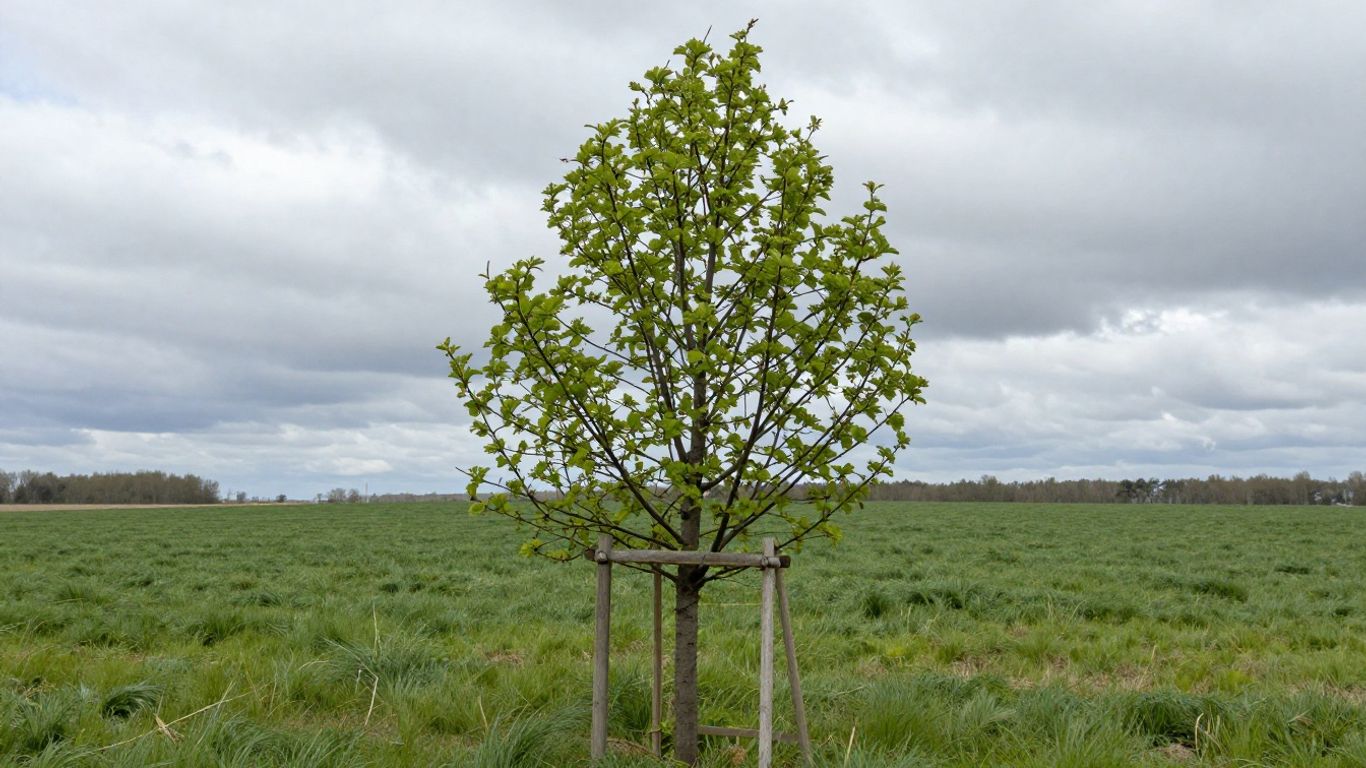
Spring winds always seem to sneak up just when young trees are starting to get their footing. Last April, we watched a week of solid gusts leave a couple of our saplings leaning at odd angles, and we realized we needed a better plan for the next planting season. Keeping our trees upright and healthy in the wind is just as important as watering them or protecting them from frost.
The Impact of Strong Spring Winds on Saplings
We’ve noticed that young trees don’t have the strong root systems that older ones do, so whenever the wind picks up, their trunks sway and branches sometimes snap. Here are some of the common issues we face:
- Broken branches, especially on newer growth
- Trees pushed sideways or uprooted
- Damaged bark from rubbing against stakes or supports
- Roots exposed when the tree leans too far over
There isn’t anything complicated about wind, but its effect on new plantings can catch us off guard. It’s a good reminder that trees, just like people, need steady support at the start.
Strategies to Prevent Wind-Related Tree Issues
We’ve tried a few things to help our young trees stand firm even when the weather gets rough. Some methods work better than others, and here are three we rely on:
- Stake saplings loosely with wide soft ties, making sure not to tie too tightly so the trunk still moves a bit and grows stronger.
- Plant windbreaks or temporary barriers like burlap screens around new trees, especially if they’re out in the open.
- Prune only what’s necessary in the first year, keeping as much healthy growth as possible to help with balance and stability.
| Support Method | When to Use | How Long Needed |
|---|---|---|
| Single Stake | Mild wind, small trees | Up to 1 year |
| Double Stake | Moderate wind, taller trees | Up to 2 years |
| Windbreak Screen | Open spaces, severe wind | Until roots are established |
Every spring, setting up these safeguards saves us a headache later. Seeing sturdy young trees after a windy week feels like a small victory.
Addressing Excessive Rainfall and Soil Saturation
When spring brings more rain than usual, our young trees can end up sitting in soggy soil. While some water is good, too much can cause trouble quickly. We can’t just cross our fingers and hope the roots stay healthy—action is needed.
Recognizing Signs of Waterlogged Roots
It’s not always obvious when trees get too much water, but there are signs we can spot if we look closely:
- Leaves turning yellow or wilting, even though the soil is wet
- Stunted or slow growth compared to other trees
- Foul smell near the soil, almost swampy
- Bark on the lower trunk looks darker or looser than usual
When spring storms keep coming, we have to pay closer attention to how our saplings look and feel. Early signs of water stress will help us step in before further damage happens.
Improving Drainage to Prevent Root Rot
There are several straightforward ways we can help our trees when we’re hit with too much rain. Here’s what works for us:
- Create shallow trenches to guide extra water away from the tree base.
- Add a light mulch layer (not piled up) to help with air flow and prevent mud from caking.
- If possible, plant future trees on slightly raised beds or mounds.
- Use soil amendments like compost or sand to break up heavy, clay-packed soil.
Below is a quick table to compare how common methods stack up for dealing with excessive rain:
| Solution | Effectiveness | Cost | Difficulty |
|---|---|---|---|
| Shallow Trenches | High | Low | Easy |
| Mulching Correctly | Moderate | Low | Easy |
| Raised Beds | High | Medium | Medium |
| Soil Amendments | Moderate | Medium | Medium |
Learning how to tell when our trees are waterlogged and acting early gives young saplings their best shot at growing well, even in wet springs. We find it’s better to take small steps now than to deal with sick or rotting roots later.
Wrapping Up
So, after looking at all the ways spring weather can mess with our young trees, it’s clear we’ve got our work cut out for us. We can’t control the weather, but we can do a few simple things to help our trees get through those wild spring days. Covering them up when it gets cold, making sure they have enough water, and keeping an eye out for pests can really make a difference. It’s not always easy, and sometimes we’ll make mistakes, but that’s just part of learning. If we stick with it, our trees will have a much better shot at growing strong and healthy. Here’s to hoping for a good season and a lot of new green leaves!
Frequently Asked Questions
How can we protect young trees from late spring frosts?
To keep our young trees safe from sudden cold snaps, we can cover them with sheets, burlap, or special frost blankets at night. We should remove the covers in the morning once the sun comes out. This helps keep the warmth in and protects the new leaves and buds from freezing.
What should we do if our saplings are getting too much rain?
If there is too much rain and the ground stays wet, we need to help the water drain away from our trees. We can do this by making small trenches or adding mulch around the base, but not too close to the trunk. This stops water from pooling and helps the roots get the air they need.
How do we stop strong winds from harming young trees?
We can use stakes and soft ties to keep our saplings standing tall when the wind blows hard. It’s important not to tie them too tightly, so the trees can still move a little and grow strong. Checking the ties often and adjusting them as the tree grows will help keep our trees safe and healthy.
