


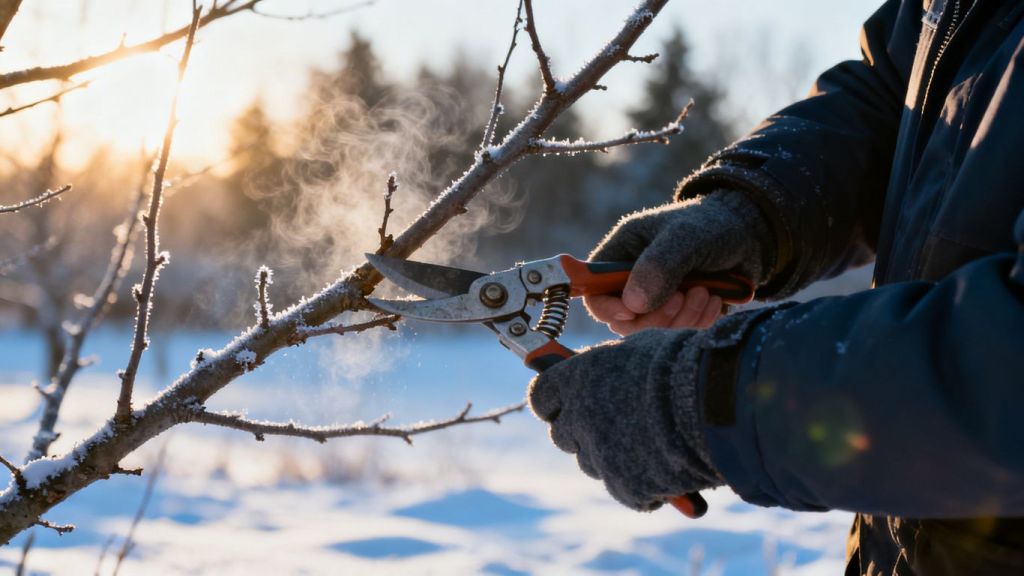
As the days grow shorter and the temperatures drop, we often overlook our trees. However, winter presents a prime opportunity for us to tend to them. Pruning during this dormant season can significantly impact our trees’ health, structure, and even their future fruit production. We find that understanding when and how to prune, and knowing when to seek help, makes all the difference.
Key Takeaways
- Winter pruning helps prevent diseases and improves how air and sunlight reach the tree’s core.
- We can encourage better fruit yields and shape trees for a nicer look by pruning at the right time.
- Sometimes, the job is too big or tricky, and that’s when we should look into professional tree trimming services.
Enhancing Tree Health And Structure
We often think of pruning as just tidying up, but it’s actually a really important part of keeping our trees healthy and strong. When we prune correctly during the dormant season, we’re setting them up for success in the spring. It’s about more than just looks; it’s about the tree’s long-term well-being.
Disease Prevention Through Pruning
One of the biggest advantages of pruning in winter is how it helps prevent diseases. When trees are dormant, they’re less susceptible to infections that can enter through pruning cuts. We can remove any branches that show signs of disease, like cankers or unusual growths, before they spread. This is also a good time to get rid of dead or dying branches. These are weak spots that can invite pests and diseases. By taking them out, we’re making the tree more resilient.
- Removing diseased wood is key to stopping the spread.
- We should inspect branches for any signs of trouble before cutting.
- Proper disposal of pruned material is important to avoid spreading pathogens.
Improving Air Circulation And Sunlight Penetration
Winter pruning also plays a big role in improving how air and sunlight reach the inner parts of the tree. Over time, branches can grow too close together, creating a dense canopy. This can lead to problems like fungal growth because moisture gets trapped. It also means the inner branches don’t get enough light to thrive. By carefully thinning out some of the crowded branches, we allow for better airflow. This helps dry out the foliage faster after rain or dew, making it harder for diseases to take hold. More sunlight reaching the interior also means healthier growth throughout the entire tree.
Thinning out the canopy allows for better airflow and sunlight, which are vital for preventing disease and promoting healthy growth from the inside out.
We can think of it like this:
- Reducing overcrowding allows sunlight to reach more parts of the tree.
- Better air movement helps dry leaves, reducing fungal risks.
- This leads to a stronger, more vigorous tree overall.
Promoting Fruit Production And Aesthetics
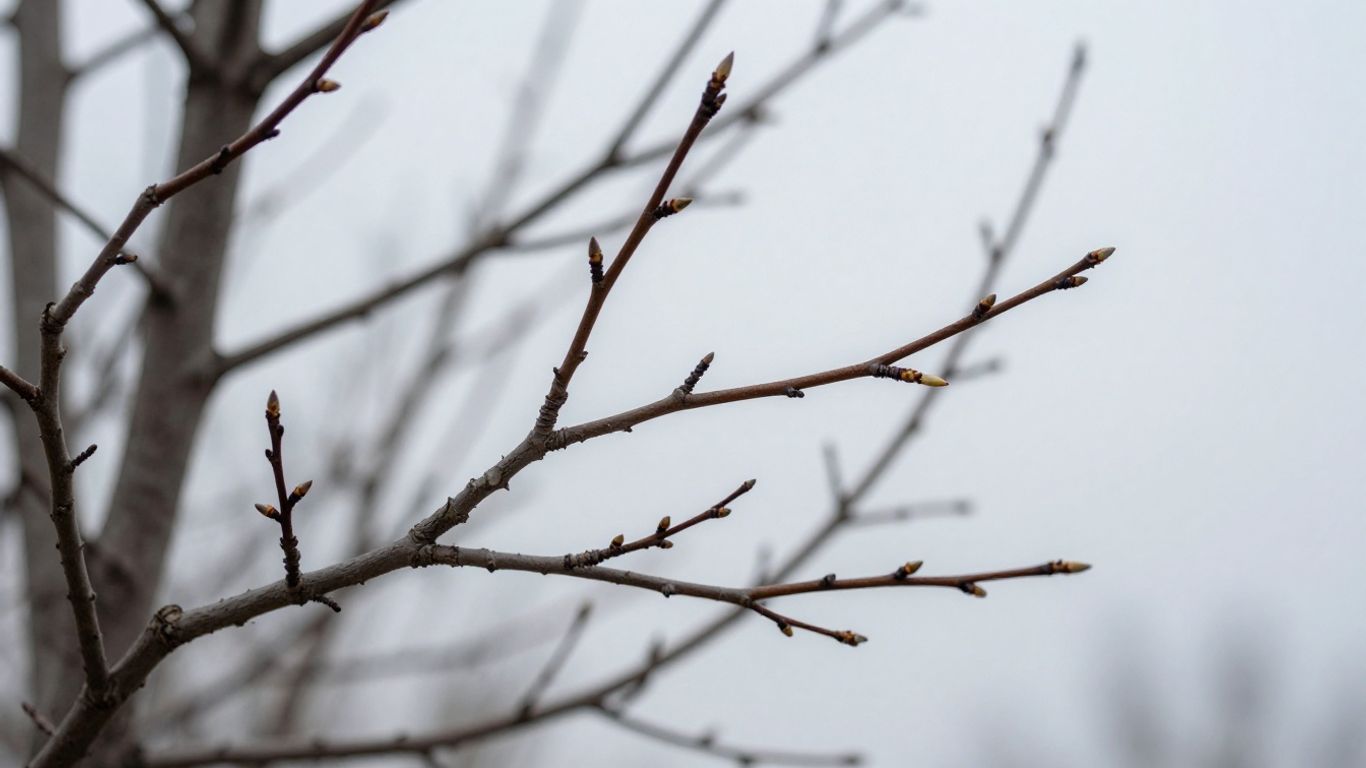
Pruning trees in winter doesn’t just keep them healthy—it’s got a real effect on the fruit they produce, and, honestly, it can make trees look a whole lot better too. Let’s look at how this works, and why it might be worth grabbing those pruners on a chilly February morning.
Stimulating Vigorous Growth For Better Yields
When we trim trees during their dormant period, we’re actually setting them up for a better growing season. Cutting back excess branches lets the tree put more energy into producing new shoots and bigger, healthier fruit. Here’s what happens:
- More sunlight reaches the developing buds under all that old wood
- The branches that are left get more nutrients
- Weak or broken limbs—which can steal resources—are removed
A simple table to illustrate before-and-after results for fruit trees:
| Factor | Before Winter Pruning | After Winter Pruning |
|---|---|---|
| Fruit Size | Small | Larger |
| Number of Fruits | Low | Medium to High |
| Branch Breakage | Common | Uncommon |
Some years, we don’t prune enough and wonder why our apple trees barely give us a basketful. Next winter, we step up and cut back—and suddenly we’ve got more apples than we know what to do with.
Shaping Trees For Visual Appeal
Windows, sidewalks, driveways—these can all get crowded if we ignore our trees for too long. Aesthetics matter, especially as trees get older and bigger.
Here’s what winter pruning can do for the look of a landscape:
- Cleaner lines and better shape (no awkward, crooked branches)
- More balanced growth all around the tree
- Fewer overgrown branches blocking the view or hanging too low
Over time, we see that a well-shaped tree improves the whole yard, making outdoor spaces feel open and tidy without much hassle.
A little attention during winter winds up saving time and headaches when the leaves return. The right cut can really change the way a tree fits into our garden—and how much fruit we pull from it come summer.
When To Call For Professional Tree Trimming
Assessing The Need For Expert Intervention
Sometimes, a tree’s needs go beyond what we can handle ourselves. We might look at a tree and see a branch that’s a bit too close to the house, or maybe a limb that looks like it’s seen better days. But how do we know if it’s a job for us or if we should call in the pros? It’s often about scale and risk. If a branch is large, heavy, or situated in a tricky spot where it could cause damage if it falls, that’s a big signal to step back and get help. We also need to consider the tree’s overall health. Are there signs of disease or significant decay that we don’t quite understand? Sometimes, a tree might just look ‘off,’ and that’s when a professional’s eye can make all the difference.
Benefits Of Hiring Certified Arborists
When we decide to bring in the experts, we’re usually looking at certified arborists. These folks have spent years learning about trees – their biology, their problems, and how to fix them. They have the right tools and know how to use them safely, which is a huge plus. We’ve found that hiring them means we’re not just getting a trimming service; we’re getting advice tailored to our specific trees and situation. They can spot issues we might miss, like subtle signs of pest infestation or structural weaknesses that could become serious problems later on. Plus, they carry insurance, which gives us peace of mind.
Here are a few reasons why we lean towards hiring certified arborists:
- Safety First: They have the training and equipment to work at heights and handle heavy branches without putting themselves or our property at risk.
- Proper Diagnosis: They can identify diseases, pests, or structural issues that might not be obvious to the untrained eye.
- Correct Techniques: They use pruning methods that promote tree health and longevity, rather than just cutting branches haphazardly.
- Liability Protection: Their insurance covers potential damages, protecting us from unexpected costs.
When in doubt about a tree’s condition or the safety of a pruning job, it’s always better to err on the side of caution and consult a professional. Our trees are long-term investments, and their health impacts our property value and safety.
We’ve learned that trying to tackle every tree problem ourselves can sometimes do more harm than good. For instance, improper pruning cuts can invite disease or weaken the tree’s structure, leading to more expensive repairs down the line. It’s about knowing our limits and respecting the complexity of tree care.
Wrapping Up Our Winter Pruning Talk
So, we’ve gone over why getting out there in the cold to trim our trees is a good idea. It really helps them stay healthy and strong for the warmer months. We can shape them up, get rid of any dead bits, and get them ready to grow well. It might seem a bit chilly, but the payoff for our trees is pretty big. We hope this gives you the push you need to grab your tools and give it a go this winter. Your trees will thank you for it when spring rolls around.
Frequently Asked Questions
Why is winter the best time to prune trees?
We recommend pruning trees in winter because most trees are resting and not growing. This makes it easier to see their shape and remove weak or dead branches. Pruning in winter also helps stop the spread of diseases, since many pests and germs are not active in cold weather.
Can pruning in winter really help trees grow better fruit?
Yes, pruning in winter can help trees grow more and better fruit. By cutting away old or crowded branches, we give the tree more energy to use on new growth and fruit. This also lets more sunlight reach the branches, which helps the fruit grow bigger and healthier.
Should we always hire a professional for tree trimming?
While we can handle small branches on young trees ourselves, it is safer to call a professional for large or tall trees. Certified arborists have the right tools and know how to keep both us and the tree safe. They can also spot problems that we might not notice.
