


Summer is a time for enjoying the outdoors, and our trees are a big part of that. But the heat and sometimes dry spells can be tough on them. We want to make sure our trees stay healthy and strong all season long. So, we’ve put together some simple tips to help you take good care of your yard’s leafy giants this summer. It’s all about keeping them happy and thriving.
Key Takeaways
- Water your trees deeply and check the soil often to make sure they’re getting enough to drink.
- Keep an eye out for bugs and diseases, and try to stop problems before they get big.
- Don’t be afraid to call in a professional tree removal service if a tree looks really sick or dangerous.
Essential Watering Strategies for Summer Trees
Summer can be tough on trees. The heat and lack of rain can really stress them out. That’s why proper watering is so important. We need to make sure our trees get enough water to stay healthy and strong during these hot months. It’s not just about splashing some water on them every now and then; it’s about watering them correctly.
Deep Watering Techniques for Established Trees
When it comes to established trees, deep watering is the way to go. This encourages the roots to grow deeper into the soil, making the tree more resilient to drought. Instead of frequent, shallow watering, we should aim for less frequent but more thorough watering sessions. Think of it like this: we’re trying to soak the soil down to where the roots actually are, not just wetting the surface.
Here’s how we can do it:
- Use a soaker hose or a sprinkler placed near the tree’s drip line (the area under the outer edge of the tree’s branches).
- Water slowly and deeply, allowing the water to penetrate the soil.
- Water early in the morning or late in the evening to minimize evaporation.
Deep watering helps trees develop strong root systems, which are better able to access water and nutrients in the soil. This is especially important during the hot, dry summer months.
Monitoring Soil Moisture Levels
Knowing when and how much to water is key. We can’t just guess; we need to check the soil moisture. There are a few ways to do this. One simple method is to use a soil moisture meter. These are inexpensive and easy to use. Just stick it into the ground, and it will give us a reading of the moisture level.
Another way is the "finger test." Stick our finger into the soil near the tree’s base, going down a few inches. If the soil feels dry to the touch, it’s time to water. If it feels moist, we can hold off for a bit. It’s also a good idea to pay attention to the tree itself. If the leaves are wilting or turning yellow, that’s a sign that it’s not getting enough water.
Here’s a simple guide:
| Soil Moisture Level | Action |
|---|---|
| Dry | Water deeply |
| Slightly Moist | Check again in a few days |
| Moist | No watering needed |
By monitoring the soil moisture, we can avoid overwatering or underwatering our trees. Both can be harmful, so it’s important to get it right.
Protecting Your Trees from Summer Pests and Diseases
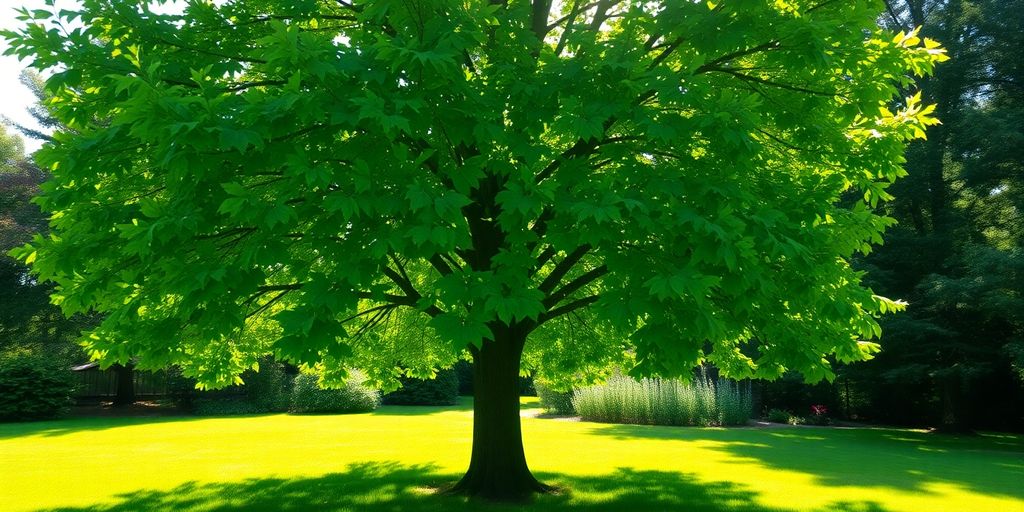
Summer can be a tough time for trees. The heat and humidity create the perfect environment for pests and diseases to thrive. It’s important to stay vigilant and take proactive steps to protect your trees. We’ve seen firsthand how quickly a seemingly healthy tree can decline when pests or diseases take hold. Let’s get into how we can keep our trees healthy this summer.
Identifying Common Summer Tree Pests
Knowing what to look for is half the battle. Many pests are small and can be hard to spot until they’ve already caused significant damage. Some common summer tree pests include:
- Aphids: These tiny insects suck sap from leaves, causing them to curl and distort. You might also notice a sticky substance called honeydew on the leaves.
- Spider Mites: These pests thrive in hot, dry conditions. They create fine webs on leaves and cause them to become speckled and yellow.
- Borers: These insects tunnel into the wood of trees, weakening them and making them more susceptible to disease. Look for small holes in the bark and sawdust-like material around the base of the tree.
We’ve found that regular inspections are key. Take a walk around your yard every week or two and carefully examine your trees for any signs of pests or diseases. Early detection can make a big difference in the outcome.
Preventative Measures for Tree Health
Prevention is always better than cure. Here are some things we can do to keep our trees healthy and less susceptible to pests and diseases:
- Water Properly: Make sure your trees are getting enough water, especially during dry spells. Deep watering encourages strong root growth, which makes trees more resilient.
- Mulch Around the Base: Mulch helps to retain moisture in the soil, suppress weeds, and regulate soil temperature. Keep the mulch a few inches away from the trunk to prevent rot.
- Prune Regularly: Remove any dead, damaged, or diseased branches. This improves air circulation and reduces the risk of disease.
- Use Insecticidal Soap or Horticultural Oil: These products can be effective against many common tree pests. Be sure to follow the instructions carefully and apply them at the right time of year.
We had a client last year who ignored some minor aphid damage, and it quickly escalated. By the time we got there, the tree was severely infested and required extensive treatment. Don’t let that happen to your trees!
When to Consider Professional Tree Care
Sometimes, despite our best efforts, our trees need more help than we can provide. Knowing when to call in a professional can be the difference between saving a tree and losing it. It’s not always easy to tell, but there are some key signs to watch out for.
Recognizing Signs of Tree Distress
Spotting problems early is important. Here are some things to look for:
- Sudden leaf drop or discoloration: If your tree’s leaves are turning yellow or brown out of season, or if they’re falling off prematurely, something is definitely wrong.
- Visible signs of pests or disease: Look for things like unusual growths, holes in the bark, or insects crawling on the tree.
- Cracks or splits in the trunk or branches: These can weaken the tree and make it more susceptible to damage from storms.
- Leaning: A tree that’s suddenly leaning more than usual could have root problems or be unstable.
- Dead or dying branches: These are a clear sign that part of the tree is not healthy.
We’ve found that regular inspections, especially after storms, can help catch these problems early. It’s better to be safe than sorry when it comes to the health of your trees.
The Benefits of a Professional Tree Removal Service
While it’s always our goal to save a tree, sometimes removal is the only option. This is especially true if the tree is:
- Dead or dying
- Posing a safety hazard (e.g., leaning towards a house or power lines)
- Severely damaged beyond repair
- Infested with a disease or pest that could spread to other trees
Professional tree removal is not a DIY job. It requires specialized equipment and expertise to do safely. A professional service can:
- Remove the tree safely and efficiently
- Grind the stump to prevent regrowth and improve the appearance of your yard
- Dispose of the tree debris properly
- Assess the area for potential replanting options
Here’s a quick look at why professional removal is often the best choice:
| Factor | DIY Tree Removal | Professional Tree Removal |
|---|---|---|
| Safety | High risk of injury or property damage | Trained professionals, insured |
| Equipment | Requires renting or buying specialized tools | All necessary equipment provided |
| Time & Effort | Time-consuming and physically demanding | Quick and efficient |
| Waste Disposal | You’re responsible for disposal | Professionals handle waste disposal |
Conclusion
So, as we wrap things up, remember that a little bit of care goes a long way for your trees this summer. Giving them enough water, keeping an eye out for pests, and making sure they’re trimmed right can really help them stay healthy. We’ve seen how just a few simple steps can make a big difference in how your yard looks and feels. It’s not about doing anything fancy, just being consistent. Taking care of your trees now means you’ll get to enjoy their shade and beauty for years to come. We hope these tips help you keep your green friends happy and thriving all season long.
Frequently Asked Questions
What’s the best time of day to water our trees during the summer?
When the sun is blazing, it’s best to water your trees early in the morning or later in the evening. This helps the water soak into the ground instead of just evaporating away in the heat.
How can we tell if our trees are sick or have bugs?
If you notice a lot of bugs, strange spots on leaves, or branches that look sick, it’s a good idea to call in a tree expert. They can figure out what’s wrong and help us fix it before it gets worse.
Do we always need to hire a professional for tree care, or can we do some things ourselves?
Not every tree problem needs a professional. For small issues like light trimming or a few dead leaves, we can often handle it ourselves. But for big jobs, like removing a large tree or dealing with a serious disease, it’s safer and smarter to get help from someone who does this for a living.
