


Wildfire season is a serious concern for homeowners in our area. Creating a defensible space around our homes is a proactive step we can take to protect our properties. This involves managing the vegetation and landscape near our houses to reduce fire risk. We’ll cover how to set up these zones, why sheridan tree removal is important, and how to keep our defensible space in good shape year-round.
Key Takeaways
- We must create defensible space zones around our homes to reduce wildfire risk, with Zone 1 being the most critical.
- Identifying and removing hazardous trees through sheridan tree removal services is vital for safety.
- Regularly maintaining our defensible space through inspections and seasonal tasks helps keep our homes protected.
Understanding Defensible Space Zones
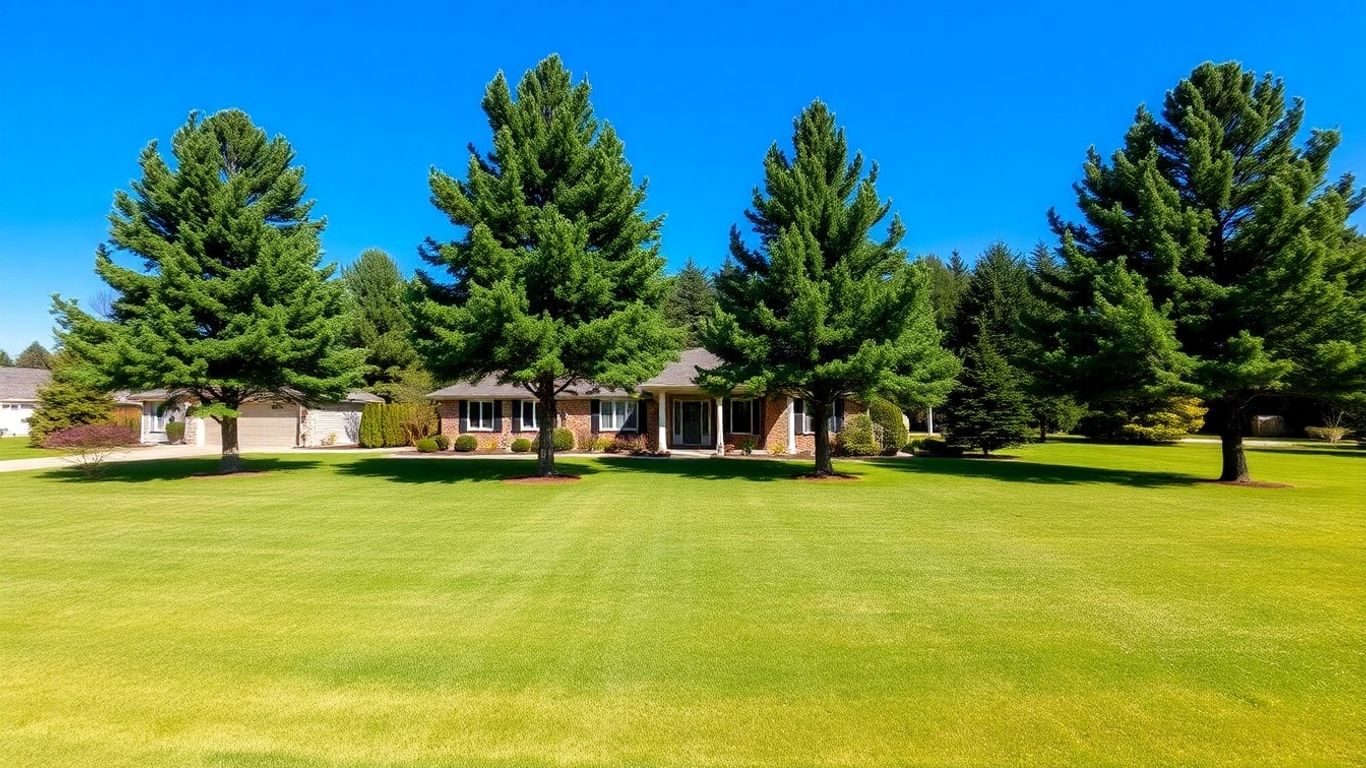
When we talk about protecting our homes from wildfire, creating defensible space is a big part of that. It’s not just about clearing brush; it’s about setting up zones around your house that slow down or stop a fire from reaching it. Think of it like building layers of defense. We divide this space into different zones, each with its own set of rules and goals. Getting these zones right makes a real difference in how well our homes can withstand a wildfire.
The Importance Of Zone 1
Zone 1 is the area closest to our homes, usually extending out about 30 feet. This is the most critical zone because it’s where a fire is most likely to make direct contact with our property. Our main goal here is to remove anything that could easily catch fire and burn. This means keeping the area lean, clean, and green. We want to reduce the amount of fuel available for a fire.
- Remove all dead vegetation: This includes dead grass, leaves, pine needles, and any dead plants. They are like kindling waiting for a spark.
- Keep grass mowed short: Aim for grass no taller than four inches. Longer grass can carry fire more easily.
- Prune trees and shrubs: Remove lower tree branches up to 10 feet from the ground. Also, thin out dense shrubs so they aren’t touching each other or the house.
- Clear gutters and roof: Make sure your gutters are free of leaves and debris. This prevents embers from igniting your roof.
- Move firewood piles: Store firewood at least 30 feet away from your house, preferably in Zone 2.
We need to be really thorough in Zone 1. Even small things like a pile of dry leaves against the house can be enough to start a fire spreading. It’s all about removing the immediate threat.
Creating Zone 2
Zone 2 is the next layer out, typically extending from 30 to 100 feet from our homes. While Zone 1 is about removing fuel, Zone 2 is more about managing it. We’re not aiming for bare ground here, but we do want to reduce the intensity of a fire if it reaches this area. This helps slow the fire’s progress and reduces the chance of embers igniting things further in.
- Reduce vegetation density: Thin out trees and shrubs so they aren’t growing too close together. This creates space for fire to burn out rather than spreading rapidly.
- Remove dead material: Continue to remove dead trees, branches, and undergrowth. This is still important, even if not as critical as in Zone 1.
- Create fuel breaks: Consider creating small breaks in the vegetation, like pathways or areas with lower-growing plants. These can help interrupt the fire’s path.
- Irrigate and maintain healthy plants: Healthy, green plants are less likely to ignite than dry, stressed ones. Keeping plants watered, especially during dry seasons, is a good strategy.
We also need to think about the slope of our property. Fire moves faster uphill. If our home is on a slope, we might need to extend Zone 2 further down the hill to create adequate space. It’s about understanding how fire behaves in our specific environment.
Implementing Sheridan Tree Removal For Safety
When we talk about creating defensible space, we’re not just thinking about clearing brush. We also need to consider the trees around our homes. Some trees, especially if they’re dead, diseased, or too close to the house, can become a real hazard during a wildfire. Identifying and removing these problematic trees is a key part of making our properties safer. It’s about being proactive and taking steps to reduce the risk before a fire even starts.
Identifying Hazardous Trees
So, how do we know which trees are the ones to worry about? We need to look for a few specific signs. Dead trees are an obvious concern, as they’re dry and will burn easily. We should also keep an eye out for trees that are leaning precariously, especially towards our homes. These could fall during high winds or a fire. Diseased trees, those with significant rot or insect damage, are also weaker and more likely to fail. Another thing to consider is the species of tree. Some trees, like certain pines with heavy sap, can burn more intensely than others. We should also think about how close the tree is to our house and any other structures. If a tree’s branches are touching the roof or are within ten feet of the building, it’s definitely a candidate for removal or significant pruning.
Here are some things to check for:
- Dead or dying branches: Look for branches that are brittle, lack needles or leaves, or have a grayish color.
- Trunk damage: Check for deep cracks, holes, or signs of insect infestation like sawdust or boreholes.
- Root problems: If the ground around the base of the tree is heaving or the tree is leaning significantly, the roots might be compromised.
- Canopy density: Overly dense canopies can act like a ladder, allowing fire to climb into the tree.
Professional Tree Removal Services
Once we’ve identified trees that pose a risk, the next step is getting them removed. While some smaller tasks might be manageable for us, larger trees or those in tricky spots are best left to the professionals. Tree removal services have the right equipment and the know-how to take down trees safely, without damaging your property or putting anyone at risk. They can also help with disposing of the removed wood and debris, which is important for maintaining defensible space.
Hiring a professional service is often the safest and most efficient way to deal with hazardous trees. They have the training and equipment to handle the job correctly, especially when dealing with large or difficult-to-access trees. It’s an investment in our safety and the protection of our homes.
When choosing a service, we should always ask for references and make sure they are insured. Getting a few quotes can also help us find a service that fits our budget. Remember, this isn’t just about aesthetics; it’s a critical safety measure for our community.
Maintaining Your Defensible Space
Creating defensible space around our homes is a fantastic step towards safety, but it’s not a one-and-done kind of deal. We’ve got to keep up with it. Think of it like tending a garden; it needs regular attention to stay healthy and effective. Neglecting it can undo all the hard work we put in initially.
Regular Inspections and Maintenance
We should all make it a habit to walk around our property at least a couple of times a year, specifically looking at our defensible space zones. What are we looking for? Mostly, we’re checking for any new fuel buildup. This means dead leaves accumulating in gutters, overgrown shrubs getting too close to the house, or branches from trees hanging over the roof. Keeping these zones clear is the most important part of maintenance. We also want to check that any landscaping we’ve done is still in good shape and hasn’t become a fire hazard itself. It’s easy for things to creep back in, so a good, thorough look is always a good idea.
Seasonal Defensible Space Tasks
Different seasons bring different challenges, and our maintenance should reflect that. Here’s a general idea of what we might need to do throughout the year:
- Spring: After winter, we often find a lot of dead vegetation. Clearing out dead grass, leaves, and any debris that collected over the colder months is a priority. We should also check on our landscaping and trim back anything that grew too much over the winter.
- Summer: This is prime fire season, so vigilance is key. We need to keep an eye on plant health – dry, dead plants are fuel. Regular watering of our landscaping is important, and we should continue to clear out any new leaf litter or debris that falls.
- Fall: As leaves start to fall, our gutters and roof can fill up quickly. This is a critical time to clean them out. We should also be trimming back trees and shrubs that might have grown significantly during the summer, making sure they maintain adequate space from structures.
- Winter: While fire risk might seem lower, we still need to be mindful. Clearing any snow or ice away from access points and ensuring our landscaping remains tidy is still part of the plan. If we had any storm damage, addressing that promptly is also wise.
We need to remember that the goal is to reduce the amount of flammable material close to our homes. This isn’t about making our yards look sterile; it’s about smart landscaping and diligent cleanup that makes a real difference when it matters most. It’s a continuous effort, but one that significantly improves our home’s safety.
We also need to think about our trees. Are there any dead limbs or branches that are hanging too low or too close to the house? These are prime candidates for removal. It’s better to take them down proactively than to wait for them to become a problem. We should also look at the spacing between trees and shrubs. Overcrowding can allow fire to spread more easily from one plant to another, and eventually, to our homes.
Taking Action for a Safer Home
We’ve talked about how to create defensible space around our homes here in Sheridan. It might seem like a lot of work at first, but taking these steps is really important for protecting our properties. By clearing away dry brush, trimming trees, and choosing fire-resistant plants, we can make a big difference. Let’s all commit to doing our part to make our neighborhoods safer from wildfires. It’s a community effort, and the peace of mind is well worth the effort.
Frequently Asked Questions
What is defensible space, and why is it important for our homes in Sheridan?
Defensible space is the buffer we create around our homes to slow or stop the spread of wildfire. It’s like giving our houses a fighting chance. By clearing out flammable stuff near our homes, we make it harder for fires to reach us and give firefighters a safer area to work in. It’s a key part of protecting our community and our properties from the dangers of wildfires.
How often should we check and maintain our defensible space?
We should make checking our defensible space a regular habit. Think about doing a good look-over at least twice a year, maybe in the spring and fall. This helps us catch any new weeds or branches that have grown too close to the house. Keeping up with it means we’re always ready and not letting things get out of hand, which is crucial for safety.
Are there specific types of plants or trees we should avoid having near our homes in Sheridan?
Yes, definitely. We should be mindful of plants that are very dry and easily catch fire, especially those close to our homes. Things like dead plants, dry grass, and dense shrubs can act like fuel for a fire. It’s wise to choose plants that don’t dry out as much or keep them trimmed back. Removing dead or dying trees is also a priority, as they can easily fall or ignite.
