


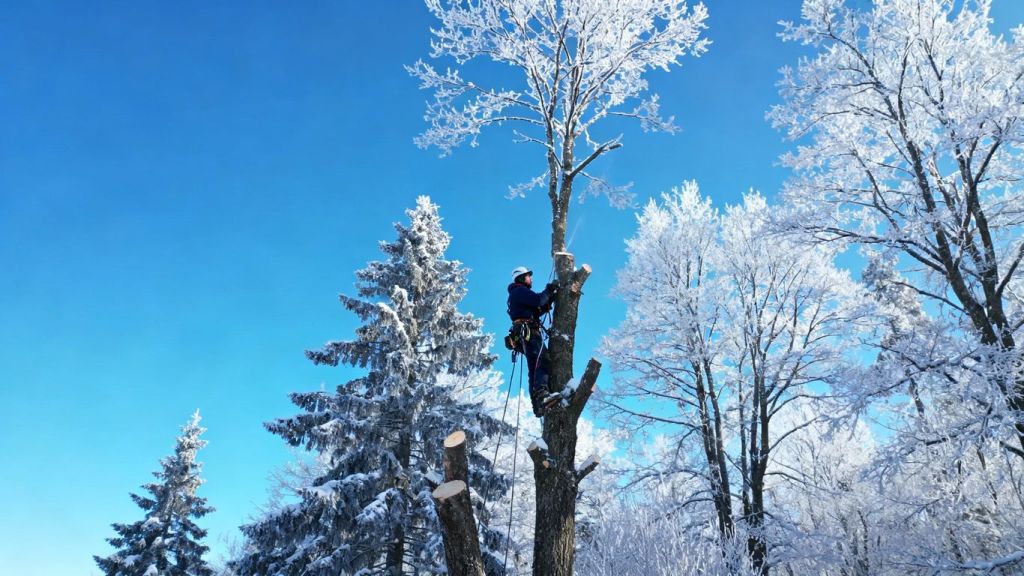
We often think of tree care as a warm-weather activity, but the colder months actually present their own set of challenges for our trees. Winter’s harsh conditions can reveal hidden problems or create new ones, making it a surprisingly important time to pay attention to the trees around our homes. Ignoring them now could lead to bigger issues down the road, especially when spring arrives. Let’s look at why keeping an eye on our trees, even when it’s cold, really matters.
Key Takeaways
- Winter weather can expose weak spots in trees, making them more likely to break during storms. Checking for these issues before bad weather hits is smart.
- Dormant trees are less likely to spread diseases, but it’s still a good time to address any problems to prevent future infections.
- Regular checks can help us spot branches that might fall, keeping our property and ourselves safer. Sometimes, calling for professional tree removal services is the best option for safety.
Winter’s Impact On Tree Health
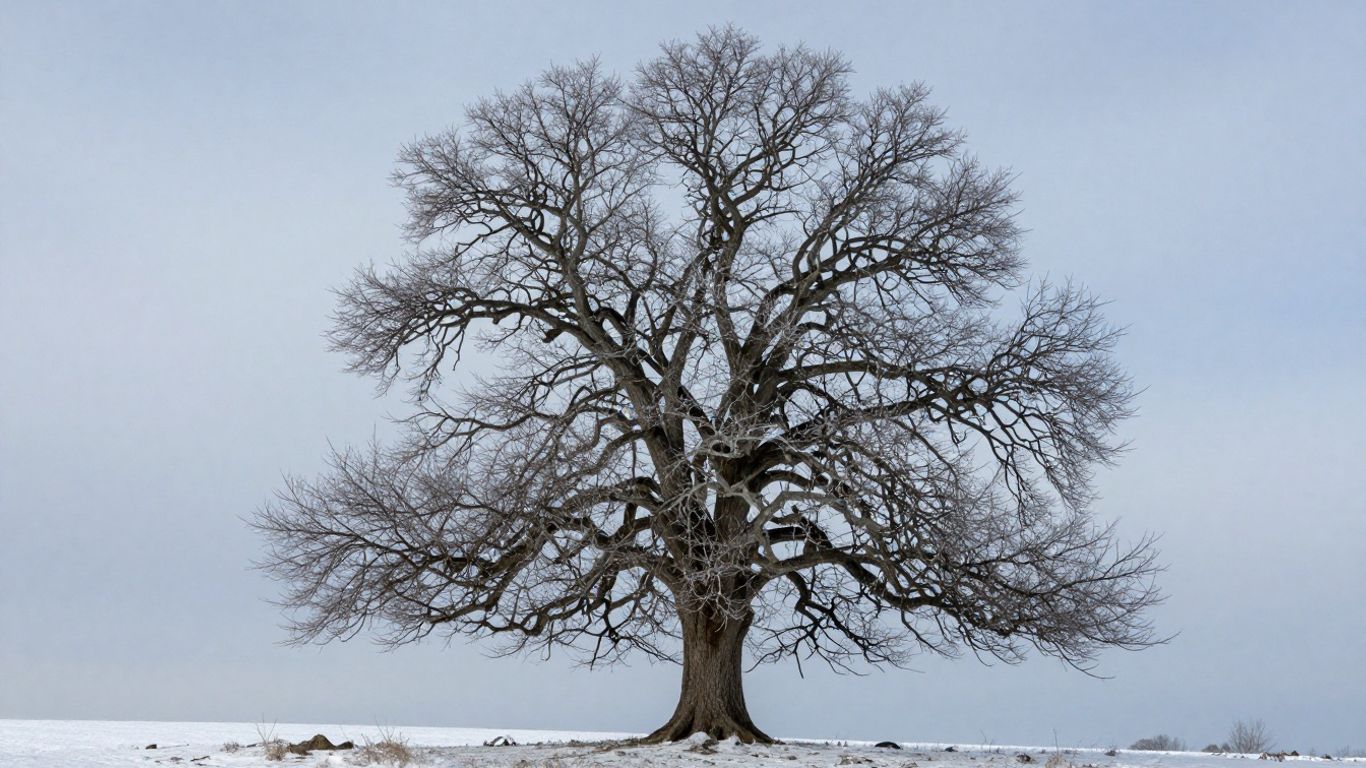
Winter might seem like a quiet time for trees, but it’s actually when they face some unique challenges that can affect their health and stability. We often think of storms and pests as the main threats, but the cold, ice, and snow can also take a serious toll. Understanding these winter impacts helps us take better care of our trees and our property.
Assessing Structural Weaknesses Before Storms
When the leaves fall, it gives us a clearer view of a tree’s structure. This is the perfect time to look for any weak spots that could become problems when winter storms hit. We’re talking about things like:
- Cracks in the trunk or major branches: These can be entry points for disease and can weaken the tree significantly.
- Branches that are rubbing against each other: This friction can damage the bark, making the tree vulnerable.
- Included bark: This happens when two branches grow at a tight angle, and the bark gets trapped between them, creating a weak union that can split.
- Signs of decay or rot: Look for soft spots, fungal growth, or hollow areas.
We need to be especially watchful for these issues before heavy winds or ice accumulation put extra stress on the tree. A tree that looks fine in the summer might have a hidden weakness that winter weather will expose.
Winter’s harsh conditions can turn a minor structural flaw into a major hazard. Ice and snow add significant weight, and strong winds can exploit even small vulnerabilities, leading to broken limbs or even the entire tree falling.
Preventing Disease Spread During Dormancy
While trees are dormant in winter, they aren’t entirely immune to disease. In fact, some diseases can spread more easily during this time, or existing infections can worsen without us noticing. Dormancy is a good time to:
- Inspect for any signs of disease: Look for unusual spots on bark, cankers (sunken areas), or dieback on twigs.
- Clean up fallen debris: Diseased leaves and branches on the ground can harbor pathogens that will re-infect the tree in the spring.
- Prune properly: If we need to prune during winter, we should use clean tools to avoid spreading any pathogens. Making clean cuts also helps the tree heal better.
It’s important to remember that a tree weakened by disease is more susceptible to damage from winter weather. Taking steps now can help our trees stay healthier and stronger through the cold months and into the growing season.
Proactive Care For A Safer Property
Winter might seem like a quiet time for our trees, but it’s actually when we need to be most attentive to their health and our property’s safety. We often think of tree work as a spring or summer job, but the cold and wind can really expose weaknesses that might have gone unnoticed. Taking some time now, before the worst weather hits, can save us a lot of trouble down the line.
Reducing Risks Of Falling Branches
We’ve all seen it after a big storm – branches down everywhere. Some of these breaks could have been prevented with a little foresight. During winter, when trees are dormant, it’s easier to spot problems. We can look for:
- Branches that are dead or dying, often brittle and without leaves.
- Cracks or splits in the trunk or where major branches attach.
- Signs of rot or decay, which can weaken the wood significantly.
Addressing these issues before they become major problems is key to preventing damage to our homes, cars, or even just keeping our yards clear. It’s about being practical and thinking ahead. A small trim now can stop a large, costly repair later. We should also be mindful of how ice and heavy snow can add extra weight, making already weak branches more likely to snap.
Sometimes, a branch might look okay from the ground, but up close, we can see it’s hollowed out or has internal decay. This is where a closer inspection, perhaps with binoculars or even a professional, becomes important. We don’t want to wait until a storm tests its strength.
When To Consider Professional Tree Removal Services
While we can handle some basic pruning ourselves, there are times when calling in the pros is the only sensible option. It’s not just about saving time; it’s about safety and doing the job right. We should think about hiring professionals when:
- The tree is very large or located near power lines or structures.
- We suspect significant disease or rot that affects the tree’s stability.
- The branches we need to remove are too high or too heavy for us to manage safely.
Professionals have the right equipment and the experience to assess risks accurately. They can tell us if a tree is a hazard and if removal is the best course of action. It might seem drastic, but sometimes, removing a compromised tree is the safest choice for everyone and everything around it. We’ve learned that trying to tackle jobs beyond our skill level can lead to more problems than it solves, and with trees, those problems can be quite serious.
Wrapping Up: Winter Tree Care Isn’t Optional
So, we’ve talked about why keeping up with our trees, even when it’s cold out, is a good idea. It might seem like a lot of work, or maybe something we can just put off until spring. But honestly, a little attention now can save us a lot of trouble later. Think about it: a quick check for weak branches or signs of trouble before a big storm hits. It’s not about being a tree expert; it’s just about being sensible. We want our trees to be healthy and safe all year round, and winter is just another part of that cycle. Let’s make sure we give them the care they need, no matter the season.
Frequently Asked Questions
Why should we check our trees when it’s cold outside?
We should check our trees in winter because the cold weather can make branches weak and brittle. Heavy snow or ice can cause these weak branches to snap and fall, potentially causing damage or injury. Looking closely now helps us spot problems before a big storm hits.
Can we still trim trees when they’re sleeping in winter?
Yes, winter is actually a good time for us to do some tree trimming. When trees are bare, we can easily see their shape and any broken or diseased limbs. Removing these sick parts now stops problems from spreading when the tree wakes up in spring, and it makes the tree healthier overall.
When is it time to call the tree experts?
We should call tree care professionals if we notice any large branches that look ready to fall, or if a tree seems unstable, especially after bad weather. They have the right tools and know-how to safely remove dangerous trees or limbs that could harm our property or people.
