


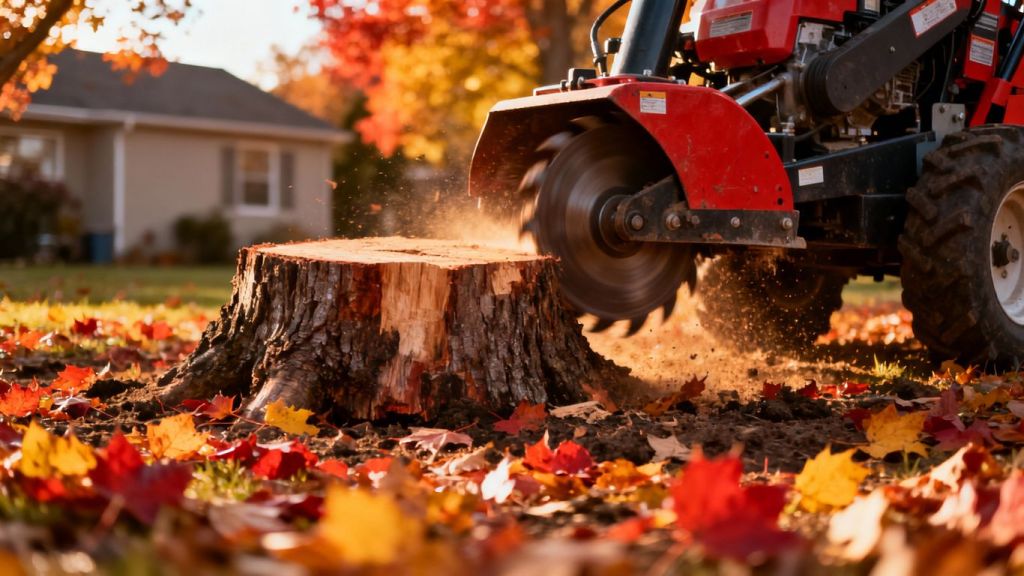
Autumn often brings a desire to tidy up the yard, and sometimes that means dealing with an old tree stump. Tree stump removal can seem like a big job, but with the right approach and equipment, we can tackle it effectively. We’ve put together a guide to help you through the process, focusing on the tools and safety measures needed for successful stump grinding.
Key Takeaways
- Proper safety gear, including eye protection, hearing protection, gloves, and sturdy boots, is non-negotiable when operating a stump grinder.
- Beyond personal protective equipment, having the right tools like a shovel, rake, and wheelbarrow will make the cleanup process after grinding much easier.
- A tarp can be a handy item to contain the wood chips and debris generated during tree stump removal, simplifying the final cleanup.
1. Safety Glasses
When we’re out there grinding stumps, especially in the autumn when things can get a bit messy with leaves and debris, eye protection is a big deal. We always make sure to wear safety glasses. It might seem obvious, but you’d be surprised how many people skip this step. Flying wood chips, dirt, and even small rocks can shoot out from the grinder at high speeds. These aren’t just regular glasses; they need to be impact-resistant safety glasses that meet certain standards. We look for ones that wrap around the eyes to give us the best coverage. It’s a simple piece of gear, but it protects our sight, and we can’t get new eyes if something bad happens. We’ve seen firsthand how quickly an accident can occur, and a good pair of safety glasses is our first line of defense against flying projectiles.
Here’s why they’re so important:
- Protection from wood chips and debris.
- Shielding against dust and dirt kicked up by the grinder.
- Preventing eye injuries from unexpected impacts.
We learned early on that even a small piece of wood can cause a serious eye injury. It’s not worth the risk to go without them. Always check that your glasses are clean and free of cracks before you start working.
2. Hearing Protection
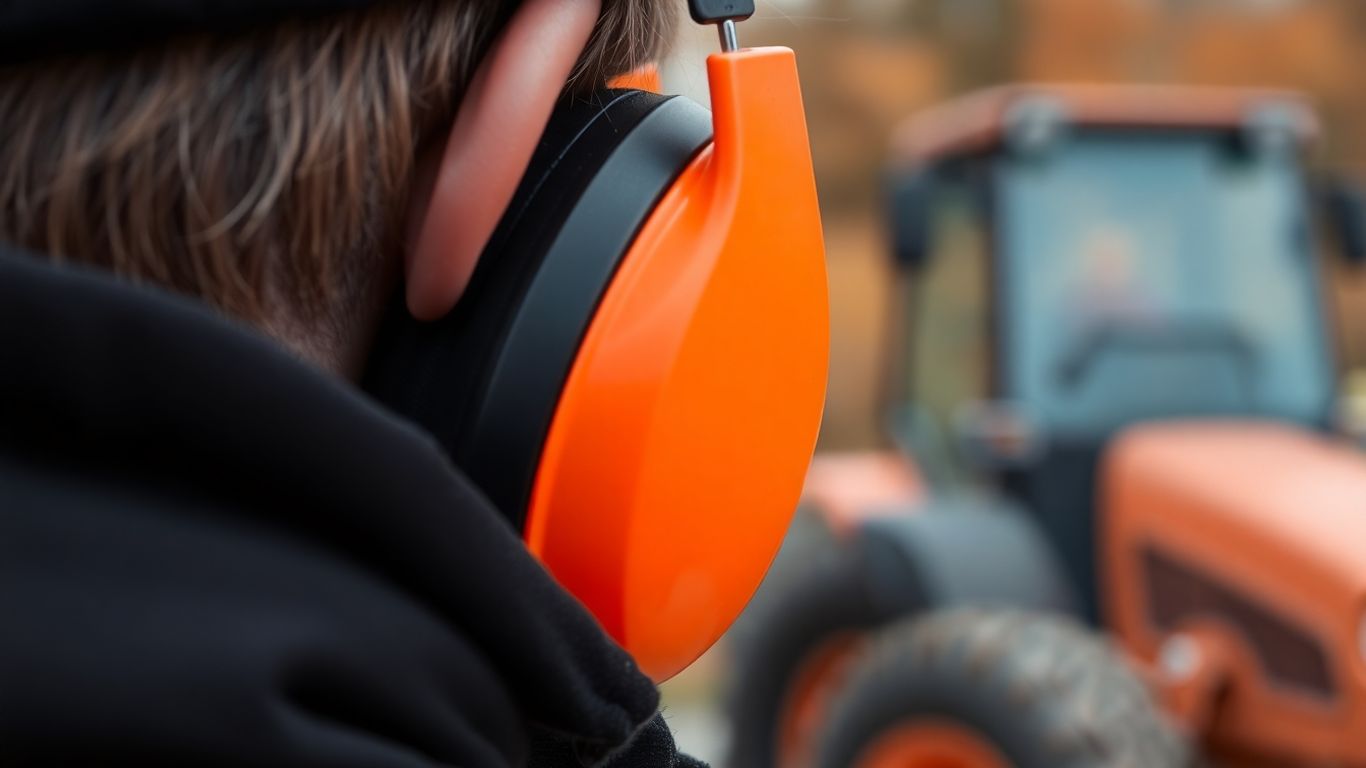
When we’re out there grinding stumps, the noise can get pretty intense. It’s not just a little loud; it’s the kind of sound that can really do a number on our ears over time. We’ve learned that using the right hearing protection is a non-negotiable part of the job. We’re talking about earplugs or earmuffs designed to cut down on that harsh noise.
We usually go for earmuffs because they’re easy to slip on and off between tasks, and they offer a good seal. But earplugs work well too, especially if you’re wearing a helmet or other gear that might get in the way of earmuffs. The main thing is to find something comfortable that you’ll actually wear.
Here’s a quick rundown of why it matters:
- Protecting your hearing is permanent. Once that damage is done, it doesn’t come back.
- It helps you stay focused. Less noise means you can better hear the grinder and your surroundings, which is safer.
- It makes the job less tiring. Constant loud noise is draining, and good protection helps reduce that fatigue.
We’ve seen some folks try to tough it out without protection, and honestly, it’s just not worth the risk. A good pair of earmuffs or earplugs is a small investment for a lifetime of better hearing.
3. Work Gloves
When we’re out there grinding stumps, our hands are doing a lot of work. They’re gripping the machine, steadying ourselves, and sometimes even clearing debris. Because of this, we always make sure to wear a good pair of work gloves. These aren’t just for keeping your hands clean; they’re a real safety item.
Think about it: the stump grinder can vibrate a lot, and you’re dealing with wood chips flying around. Good gloves give you a better grip on the controls, which means less chance of slipping. They also protect your skin from splinters, rough bark, and any small rocks or debris that might get kicked up. We’ve found that leather gloves tend to hold up the best for this kind of work. They offer a good mix of protection and flexibility.
Here’s what we look for in a decent pair:
- Durability: They need to withstand abrasion from wood and the machine.
- Grip: A textured palm helps keep your hands from sliding.
- Comfort: You’ll be wearing them for a while, so they shouldn’t be too stiff or cause blisters.
- Protection: Look for reinforced knuckles and padding if possible.
We’ve seen folks try to get by without gloves, and it never ends well. Blisters, cuts, and splinters are common, and they can really slow you down or even make it unsafe to continue operating the equipment. It’s a small thing, but it makes a big difference in how the job goes.
4. Steel-Toed Boots
When we’re out there grinding stumps, our feet are pretty much on the front lines. That’s why we always make sure we’re wearing steel-toed boots. It might seem obvious, but you’d be surprised how many people overlook this. Falling debris, whether it’s chunks of wood or even the grinder itself if something goes wrong, can cause serious injury. These boots are designed to protect your toes from heavy impacts and compression. We’ve seen firsthand how a misplaced foot or a dropped tool can turn a good day into a trip to the emergency room.
Here’s why they’re non-negotiable for us:
- Impact Protection: The steel toe cap is the main feature, absorbing shock from falling objects.
- Puncture Resistance: Many models also have plates in the sole to stop sharp objects, like stray nails or roots, from piercing through.
- Ankle Support: Good boots offer decent ankle support, which helps prevent twists and sprains when working on uneven ground.
We look for boots that are also comfortable for long periods, as we often spend hours on our feet. Waterproofing is a bonus, especially if we’re working after a rain or in damp conditions.
Don’t skimp on footwear. Your feet are carrying you through the job, and protecting them is just as important as protecting your head or eyes. A sturdy pair of steel-toed boots is an investment in your safety and well-being.
5. Chainsaw Chaps
When we’re out there dealing with stubborn stumps, especially after the leaves have fallen and visibility might be lower, safety is always the main thing. That’s why we never skip putting on our chainsaw chaps. These aren’t just fancy pants; they’re designed to stop a spinning chain from cutting into your legs. Think of them as a shield, made from special layers of fabric that can jam up the chain if it makes contact.
We’ve found that different types offer varying levels of protection, usually rated by how long they can resist a chain at a certain speed. For general stump grinding work, a good pair that meets industry standards is what we look for. It’s not worth the risk to go without them.
Here’s a quick rundown of why they’re so important:
- Protection from Cuts: The primary job is to prevent serious leg injuries from accidental chain contact.
- Peace of Mind: Knowing you have that extra layer of defense lets us focus on the task at hand.
- Compliance: Many job sites or regulations require them for operating equipment like this.
Wearing chainsaw chaps is a non-negotiable step in our stump grinding process. It’s a simple piece of gear that makes a huge difference in keeping us safe when we’re working with powerful tools. We always check that they fit properly and cover our legs from the top of our boots to our waist before we even start the grinder.
6. Stump Grinder
When it comes to tackling those stubborn tree stumps, the stump grinder is our main tool. We’ve found that choosing the right type of grinder makes a big difference in how quickly and effectively we can get the job done. For smaller jobs, a portable, electric grinder might do the trick, but for larger, tougher stumps, we usually opt for a gas-powered model. The power and cutting depth of the grinder are key factors to consider.
Here’s a quick rundown of what we look for:
- Engine Size: Bigger engines mean more power to chew through tough wood.
- Cutting Wheel Diameter: A larger wheel can reach deeper and wider.
- Grinding Depth: This tells you how far down the grinder can go below the soil line.
- Portability: Some grinders are heavy, so consider how you’ll move it around the yard.
We always make sure the grinder’s teeth are sharp before we start. Dull teeth make the machine work harder and can lead to a rougher grind. It’s also important to understand the operation of the specific model you’re using. Each one can have slightly different controls and safety features.
We’ve learned that proper maintenance of the stump grinder itself is just as important as using it correctly. Keeping the machine clean and the cutting teeth sharp prevents unnecessary strain and ensures a smoother operation. It also helps prolong the life of the equipment, which is always a good thing for our budget.
Before we even start grinding, we clear the area around the stump of any rocks, dirt, or debris. This protects the grinder’s cutting wheel and prevents projectiles from flying out at high speeds. We also make sure to wear all our safety gear, which we’ll cover in more detail later.
7. Wheelbarrow
Once we’ve finished grinding, we’ll have a lot of debris to deal with. That’s where a good wheelbarrow comes in handy. It’s our primary tool for moving the wood chips and soil away from the stump area. We don’t want those chips piling up and becoming a tripping hazard, or worse, attracting pests. A sturdy wheelbarrow makes this job much easier on our backs. We usually look for one with a decent capacity, maybe around 6 cubic feet, and pneumatic tires if we can find them – they handle uneven ground better.
Here’s a quick rundown of why it’s so important:
- Efficient Debris Removal: Gets the job done faster than carrying piles by hand.
- Site Cleanup: Helps keep the work area tidy and safe.
- Material Transport: Useful for moving the chips to a designated disposal or composting area.
We’ve found that a wheelbarrow with a single wheel is generally easier to maneuver around tight spots, which are common when dealing with stumps. It takes a bit of practice to get the balance right, especially when it’s loaded up, but it’s worth the effort.
We typically make several trips, depending on the size of the stump and how much material we’re removing. It’s a simple tool, but without it, the cleanup phase would be significantly more time-consuming and physically demanding. We aim to get all the loose material into the wheelbarrow and then transport it away from the immediate vicinity.
8. Shovel
After we’ve finished grinding the stump, there’s still a bit of cleanup to do. That’s where a good shovel comes in handy. We use it to gather up all the wood chips and debris that the stump grinder has created. It’s important to have a sturdy shovel with a comfortable grip for this task. We usually go for a flat-nosed shovel, as it works well for scooping up the chips from the ground without digging too much into the soil.
Here’s a quick rundown of why we find a shovel so useful:
- Chip Removal: The primary job is moving the ground-up wood. It’s a lot of material, and a shovel makes it manageable.
- Leveling: Sometimes, after grinding, the area might be a bit uneven. We can use the shovel to gently push soil back into any low spots.
- Debris Sorting: If there are any larger pieces of wood or roots that the grinder missed, the shovel helps us move them aside.
We often pair the shovel with a wheelbarrow or a tarpaulin to make the hauling process easier. You don’t want to be trying to carry piles of chips by hand; that’s just asking for trouble and a sore back.
A good shovel isn’t just for digging holes; it’s a key tool for tidying up after a big job like stump grinding. It helps us get the site looking neat and tidy again.
Make sure the shovel you choose is made of strong metal, like steel, so it doesn’t bend or break when you’re scooping up heavier piles of wood chips. A wooden handle is fine, but we prefer ones with a bit of rubber or ergonomic grip for comfort during extended use.
9. Rake
After we’ve finished grinding the stump, there’s usually a good amount of wood chips and debris left behind. This is where a good rake comes in handy. We find that a sturdy metal rake works best for this job. It’s strong enough to gather the heavier wood chips without bending or breaking.
Our process involves carefully raking all the ground-up wood and soil into piles. This makes cleanup much easier. We usually start by gathering the larger piles of chips and then work our way around the area to get any smaller bits.
Here’s a quick rundown of how we use the rake:
- Start at the outer edges of the grind area and work inwards.
- Use a sweeping motion to collect the chips and debris.
- Pile the material in a designated spot for disposal or composting.
Sometimes, the wood chips can be quite wet and heavy, especially if it’s rained recently. In these cases, we might need to make a few passes to get everything collected. It’s also helpful to have a shovel nearby to help scoop up the larger piles once they’re gathered.
We always make sure to clear the area thoroughly. Leaving wood chips scattered around can be a tripping hazard and can also attract pests. A clean workspace is a safe workspace.
Don’t underestimate the power of a good rake. It might seem like a simple tool, but it’s really important for finishing the job right after stump grinding. It helps us leave the area looking tidy and ready for whatever comes next, whether that’s planting new grass or laying down mulch.
10. Tarpaulin
When we’re out there grinding stumps, especially in the autumn, things can get messy. Wood chips, dirt, and debris tend to fly everywhere. That’s where a good tarpaulin comes in handy. We usually lay one down around the stump area before we start. This makes cleanup a whole lot easier.
Think about it: instead of raking up a huge mess spread across the lawn, we can just gather the edges of the tarp and dump the debris right into a wheelbarrow or a designated pile. It saves us time and keeps the surrounding area cleaner. We find that a heavy-duty tarp works best, something that won’t tear easily from flying wood chunks.
Here are a few reasons why we always bring one along:
- Containment: It keeps the grinding mess contained in one spot.
- Easier Cleanup: Gathering debris is much faster.
- Lawn Protection: It can offer a bit of protection for the grass underneath from flying debris.
We usually opt for a tarp that’s at least 6×8 feet, depending on the size of the stump and the grinder we’re using. Bigger is often better, just to be safe. It’s a simple tool, but it really makes a difference in how tidy we can leave a job site. Don’t underestimate the power of a good tarp for managing stump grinding aftermath.
Wrapping Up Our Stump Grinding Guide
So, we’ve gone over why grinding stumps in the fall makes sense and how to go about it safely. It’s not the most exciting job, we know, but getting it done right means fewer tripping hazards and a cleaner yard come spring. We hope this guide helps you tackle those stubborn stumps. Remember, taking your time and using the right gear makes all the difference. Happy grinding!
Frequently Asked Questions
Why is it important to wear safety glasses when grinding stumps?
When we’re grinding stumps, tiny bits of wood and dirt can fly up really fast. Safety glasses act like a shield for our eyes, stopping these little pieces from causing harm. It’s a simple step that keeps our vision safe.
What kind of hearing protection should we use for stump grinding?
Stump grinders can be quite loud, like a really noisy machine. To protect our ears from damage, we should wear earplugs or earmuffs. This helps prevent ringing in our ears or hearing loss later on.
How do we clean up the wood chips after grinding a stump?
After we’re done grinding, there will be a lot of wood chips left. We can use a shovel to scoop them up and a rake to gather any smaller pieces. Putting them into a wheelbarrow makes them easy to move, and we can then put them on a tarpaulin to haul them away or use them for mulch.
