


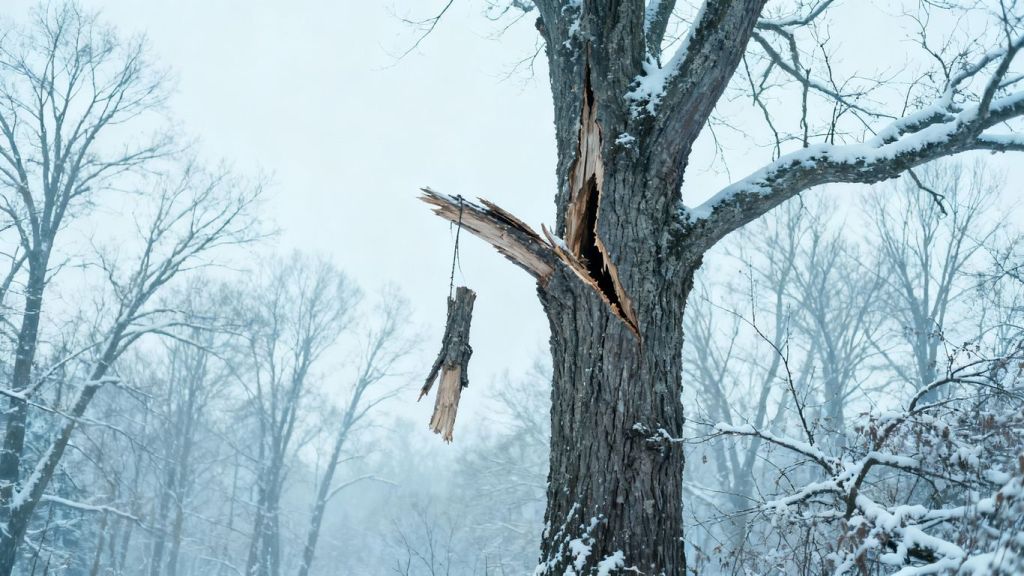
Winter weather can really put trees to the test. When snow and ice pile up, or strong winds blow through, trees that don’t look so bad in warmer months can become a real problem. We need to know what to look for so we can keep ourselves and our property safe. This article will help us spot trees that might be weak and what to do about them, especially when it comes to hazardous tree removal.
Key Takeaways
- We should check the main part of the tree and where it meets the ground for any signs of rot or damage. Also, look at the branches to see if they are broken, cracked, or growing in ways that could cause trouble.
- We need to think about removing a tree if it’s leaning a lot, has big dead branches, or if there’s damage near the base that looks serious. Things like disease, pests, or past injuries can make a tree more likely to fall.
- Deciding on hazardous tree removal is important when a tree is clearly unstable and could fall on a house, car, or walkway. We have to consider how strong the tree is, the ground it’s growing in, and what’s around it before making a choice.
Recognizing Signs Of Tree Instability
Winter’s stark landscape can sometimes reveal weaknesses in trees that might go unnoticed during lusher seasons. We need to pay close attention to certain indicators that suggest a tree might be unstable and potentially hazardous. Observing these signs is our first step in assessing a tree’s safety.
Examining Trunk And Root Flare Health
The trunk and the area where the roots meet the ground, known as the root flare, are like a tree’s foundation. Any issues here can seriously compromise its stability. We should look for:
- Cracks or splits: Especially those that go deep into the wood or wrap around the trunk. A small crack might be okay, but a large, deep one is a red flag.
- Cavities or decay: Hollow spots or areas where the wood looks soft, crumbly, or discolored often mean rot has set in. Fungi growing on the trunk can also be a sign of internal decay.
- Girdling roots: These are roots that grow around the trunk, constricting it. Over time, they can weaken the tree and make it more prone to tipping.
- Root flare issues: We need to make sure the root flare isn’t buried too deep under soil or mulch. If it is, we should carefully expose it. Signs of disease or damage at the root flare are particularly concerning.
Assessing Branch Structure And Condition
Branches, especially larger ones, are also key indicators of a tree’s health and stability. We should check for:
- Dead or broken branches: These are obvious hazards, but we also need to look for branches that are hanging precariously, ready to fall.
- Weak attachments: Where branches join the trunk, look for narrow angles (V-shaped unions) rather than wider, U-shaped ones. V-shaped attachments are more prone to splitting, especially under stress like wind or snow load.
- Diseased or insect-damaged branches: Branches that are covered in cankers, have unusual growths, or show signs of insect infestation might be weakened and more likely to break.
- Uneven weight distribution: If a tree has a lot of weight on one side and very little on the other, it can become unbalanced and tip over more easily. This is especially true if the heavier side is also showing signs of weakness.
When we inspect a tree, we’re essentially looking for any deviation from what a healthy, strong tree should look like. Winter’s bare branches give us a clearer view of the tree’s overall structure, making it a good time for this kind of assessment. Don’t hesitate to get a professional opinion if something looks off.
When To Consider Hazardous Tree Removal
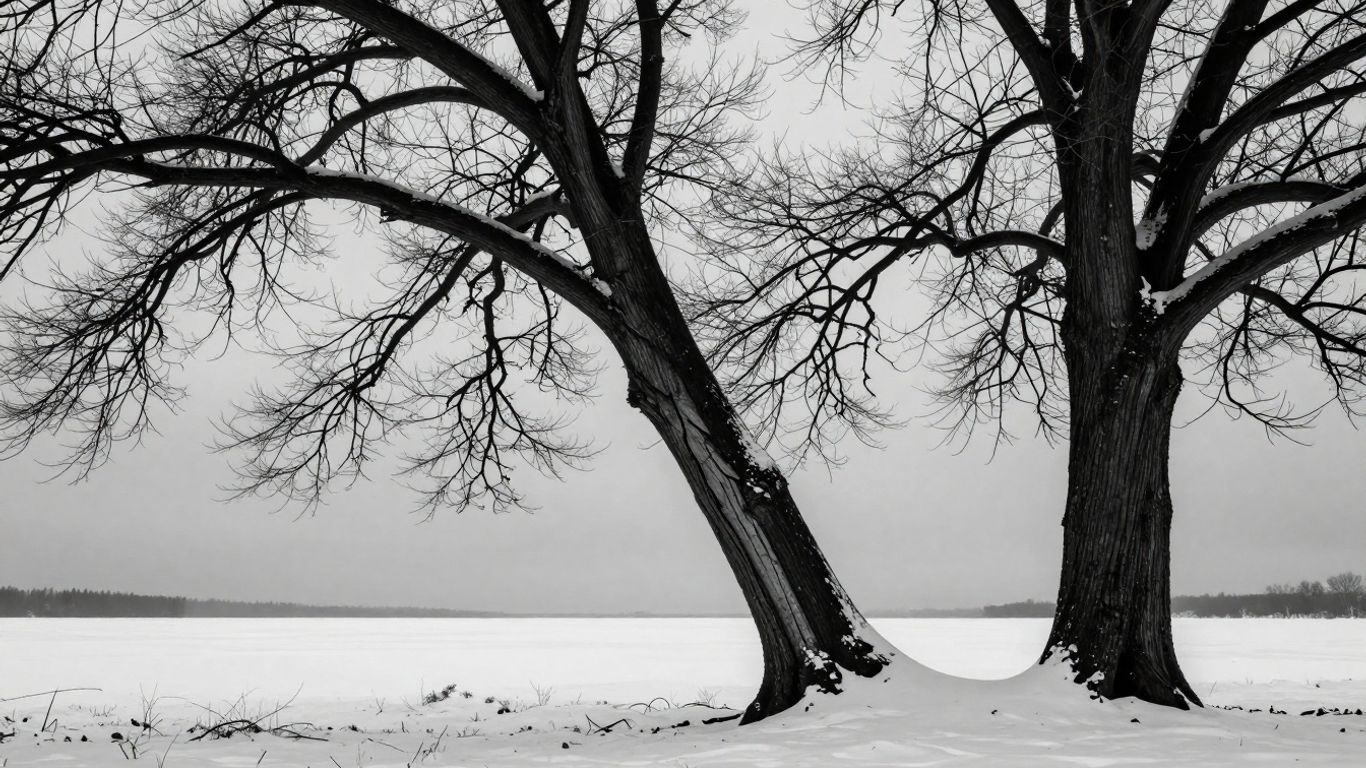
Sometimes, even with the best care, a tree can become a hazard. We need to know when it’s time to think about removing a tree to keep ourselves and our property safe. It’s not a decision we take lightly, but safety comes first.
Identifying Trees Posing Immediate Danger
We should always be on the lookout for trees that look like they could fall or drop large branches without much warning. Winter weather, with its heavy snow and ice, can really stress trees that are already weak. Here are some signs we should watch for:
- Leaning severely: If a tree is leaning at a sharp angle, especially if the lean has increased recently, it might be unstable.
- Cracks in the trunk or major branches: Deep cracks, particularly those that go all the way around or are widening, are a big red flag.
- Root problems: We’ve talked about root flare health, but if we see exposed, damaged, or decaying roots, that’s a serious concern.
- Dead branches or canopy dieback: Large dead branches, or a significant portion of the tree’s crown dying off, can indicate a tree is failing.
- Fungal growth or decay: Mushrooms or other fungal bodies growing on the trunk or at the base often mean there’s rot inside.
We need to remember that a tree doesn’t have to be dead to be dangerous. A tree that looks mostly healthy can still have internal issues that make it prone to failure, especially under stress.
Understanding Factors Influencing Tree Failure
Several things can make a tree more likely to fail. Knowing these factors helps us assess the risk.
- Tree Species: Some trees are naturally weaker-wooded than others. For example, certain types of maple or poplar might be more prone to breaking than a sturdy oak.
- Tree Age and Health: Older trees, or those that have been stressed by disease, pests, or poor growing conditions, are generally at higher risk.
- Site Conditions: Soil compaction, construction damage to roots, or even just poor soil drainage can weaken a tree over time.
- Weather Events: High winds, heavy ice accumulation, or prolonged drought can all put extra strain on a tree, pushing a weak one over the edge.
We should also consider the potential impact of a falling tree. A tree near a house, a busy walkway, or power lines poses a much greater risk than one isolated in a large, open field. If a tree’s failure could cause significant damage or injury, we need to be extra cautious and consider removal sooner rather than later.
Wrapping Up Our Winter Tree Check
So, we’ve gone over how to spot those trees that might be a problem when the snow starts to fall and the winds pick up. It’s not always easy, especially when everything’s covered in white, but taking a little time to look closely can really make a difference. We’re not saying you need to be a tree expert, just aware of what’s going on around your home. If you see something that looks really off, like a big crack or branches that are just hanging there, it’s probably best to get a professional opinion. Better safe than sorry, right? Keeping an eye on things now can help avoid a big mess later on.
Frequently Asked Questions
What are the first things we should look for to see if a tree might be unsafe?
We should start by carefully checking the tree’s main stem, or trunk. Look for any cracks, deep cuts, or signs of rot, especially near where the trunk meets the ground. Also, pay close attention to the base of the tree, where the roots spread out. If we see mushrooms growing there, or if the soil looks like it’s lifting up, that could mean trouble.
How can we tell if a tree’s branches are a problem?
We need to inspect the branches themselves. Are any broken or hanging loosely? Are there dead branches that look like they could snap off easily, especially in strong winds or heavy snow? We should also see if the branches are growing in a way that makes the tree unbalanced, perhaps with too much weight on one side. This kind of unevenness can make a tree more likely to fall.
When should we absolutely think about removing a tree because it’s dangerous?
We should consider removing a tree if it’s leaning heavily towards a house, a play area, or a busy path, and shows signs of weakness like those mentioned. If a tree has suffered significant damage from storms, disease, or pests, and it’s in a spot where it could hurt someone or damage property if it falls, then removal is likely the safest choice. It’s better to be safe than sorry when a tree looks like it’s about to give way.
