


Wildfires are a growing concern for many homeowners, and taking steps to protect our properties is more important than ever. We’ve been looking into ways to make our homes safer, and it turns out creating a ‘defensible space’ around our houses is a big part of that. This means managing the area right next to our homes to reduce fire risk. We’ll walk through what that involves and how we can all make our places more secure.
Key Takeaways
- Understanding how wildfire can affect your property starts with looking at what’s close to your house and what could easily catch fire.
- Making changes to your yard, like clearing brush and planting less flammable things, helps stop fires from reaching your home.
- Hiring a tree removal service can be a smart move to get rid of dead branches or trees that are too close, cutting down the fuel available for a fire.
Understanding Your Property’s Wildfire Risk
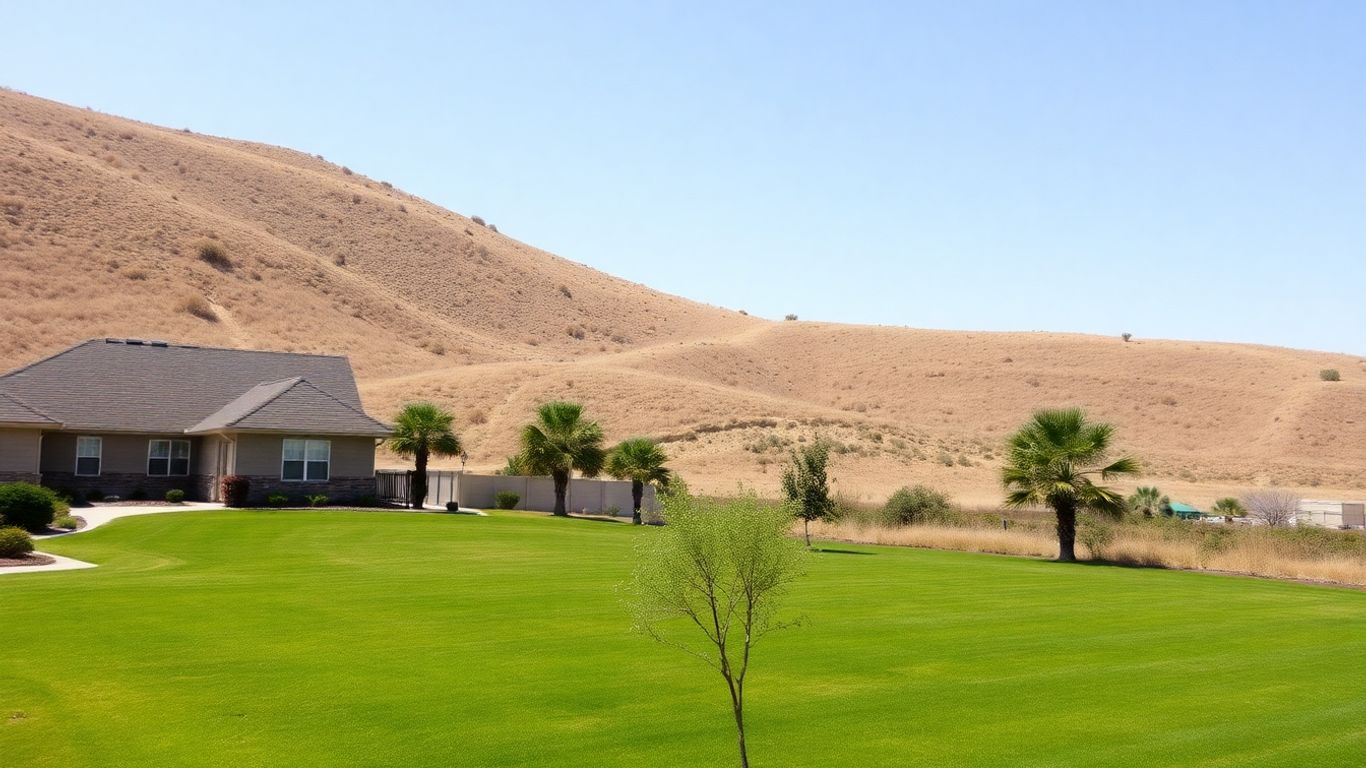
Before we can start making our homes safer from wildfires, we really need to get a handle on what makes our property vulnerable in the first place. It’s not just about living in a dry area; it’s about the specifics of our immediate surroundings. We need to look at our homes and the land around them with a critical eye, thinking like a wildfire might.
Assessing Immediate Dangers
When we talk about immediate dangers, we’re looking at the things closest to our house that could easily catch fire and spread flames. This includes the roof, the gutters, and the walls of our home. Are there dead leaves or pine needles piled up in the gutters? Is the roof made of highly flammable material, or is it old and damaged? We should also check the foundation vents and any crawl spaces – are they screened to keep embers out? Even the type of plants we have right next to the house matters. Things like dense, dry shrubs or trees with low-hanging branches can act like a ladder, carrying fire right up to our homes.
- Check your roof for any damage or missing shingles. This is a prime spot for embers to get in.
- Examine your gutters and downspouts for accumulated debris.
- Inspect the area directly around your foundation for any flammable materials.
We need to be honest about the condition of our homes and the landscaping right up against them. These are the first lines of defense, and if they’re compromised, the risk goes way up.
Identifying Fuel Sources Near Your Home
Beyond the immediate structure, we have to consider the ‘fuel’ that a wildfire would burn. This is anything that can ignite and burn, and it comes in various forms. We’re talking about the vegetation – the trees, shrubs, grasses, and even dead plants. But it’s also about how that vegetation is arranged. Is it a dense, continuous mat of dry grass? Are there clusters of trees too close together? We also need to think about things that aren’t plants, like stacks of firewood, outdoor furniture cushions, or even stored vehicles and equipment that might have flammable fluids. These are all potential fuel sources that can help a fire get started or grow.
Here’s a breakdown of common fuel sources we should look for:
- Vegetation:
- Dry grasses and weeds
- Dense shrubs and bushes
- Trees with dead branches or low-hanging limbs
- Dead or dying plants and leaf litter
- Stored Materials:
- Firewood piles (especially if stored near the house)
- Propane tanks
- Outdoor furniture and cushions
- Vehicles, mowers, and other equipment
We should also think about the slope of our property. Fire tends to move faster uphill, so if our home is on a slope with a lot of fuel above it, that’s a significant risk factor we need to address.
Implementing Defensible Space Strategies
Now that we’ve looked at what makes our properties vulnerable, let’s talk about what we can actually do about it. Creating defensible space isn’t just about clearing brush; it’s a thoughtful process of managing the landscape around our homes to slow down or stop a wildfire. Our goal is to create zones where fire has less fuel to burn and where we have a safer place to defend our property.
Creating Fuel Breaks with Strategic Landscaping
Think of fuel breaks as deliberate gaps in vegetation that can stop or slow a fire’s spread. We can achieve this through smart landscaping choices. It’s not about making our yards look barren, but about choosing plants wisely and arranging them in a way that doesn’t give fire an easy path to the house.
Here are some ways we can approach this:
- Zone 1: The Immediate Zone (0-5 feet from the house): This is the most critical area. We need to keep it as free of flammable materials as possible. This means no mulch against the foundation, no dense shrubs right next to walls, and definitely no firewood piles. We should use gravel or hardscaping here.
- Zone 2: The Intermediate Zone (5-30 feet from the house): Here, we can have some plants, but we need to manage them carefully. We want to break up continuous fuel. This means spacing out trees and shrubs, keeping lawns mowed, and removing dead plant material regularly. Think of it as creating islands of vegetation rather than a connected carpet.
- Zone 3: The Extended Zone (30-100 feet or more): This zone is about reducing the intensity of a fire before it reaches our homes. We’ll focus on thinning out trees, removing dead branches, and clearing out underbrush. The idea is to create space between the crowns of trees and to remove lower branches that could let a ground fire climb into the canopy.
We also need to be mindful of our plant choices. Some plants are naturally more flammable than others. We should look for low-flammability species that don’t accumulate a lot of dead material or have oily leaves. Native plants can be a good choice, but we still need to manage them.
Managing vegetation is an ongoing task. It’s not a one-time fix. We need to make regular inspections and maintenance a part of our routine. This includes clearing gutters, trimming trees, and removing dead leaves and debris from around the property.
The Role of Professional Tree Removal Service in Reducing Risk
While we can handle a lot of the landscaping ourselves, some tasks are best left to the pros, especially when it comes to trees. A professional tree removal service can help us manage trees that pose a significant risk.
Here’s what they can do for us:
- Identify Hazardous Trees: Professionals can spot trees that are dead, diseased, or structurally unsound. These are prime candidates for removal because they can easily fall or break apart in high winds, potentially damaging our homes or spreading fire.
- Proper Pruning and Thinning: They can prune trees to remove lower branches (limbing up) that could allow a ground fire to reach the tree’s crown. They can also thin out dense canopies, reducing the amount of fuel available and making it harder for fire to move through the treetops.
- Strategic Removal: Sometimes, removing entire trees is necessary to create adequate spacing between them, especially in the extended zone. This prevents a fire from easily jumping from one tree to another.
Using a professional service means the work is done safely and effectively. They have the equipment and knowledge to handle large trees and difficult terrain. It’s an investment in our safety and the protection of our homes. We should always hire services that are insured and experienced in wildfire mitigation work.
Wrapping Up Our Wildfire Safety Efforts
So, we’ve talked a lot about making our homes safer from wildfires. It might seem like a lot of work, and honestly, it can be. But taking these steps, like clearing brush and choosing fire-resistant plants, really makes a difference. We’re not just protecting our houses; we’re looking out for our neighbors and our whole community. It’s about being prepared, not scared. Let’s all commit to doing our part, little by little. Our safety, and the safety of those around us, is worth the effort.
Frequently Asked Questions
What exactly is a defensible space?
A defensible space is basically a buffer zone we create around our homes. It’s designed to slow down or stop a wildfire from reaching our houses. Think of it as giving firefighters a safer place to work and protecting our property by removing things that could easily catch fire.
How do we figure out if our home is in danger from wildfires?
We can start by looking at what’s growing around our house. Are there lots of dry bushes, trees close to the roof, or piles of dead leaves? We also need to consider how close we are to wild areas like forests or grasslands. Checking local fire risk maps can also give us a good idea of the danger in our neighborhood.
What are some simple things we can do to make our yard safer?
We can begin by clearing out dead plants and leaves, especially near the house. Keeping grass cut short is also a good idea. We should also move things like firewood piles or propane tanks away from our homes. Planting less flammable plants and spacing out trees can also make a big difference in stopping a fire from spreading.
