


As the chill of winter fades here in Sheridan, CA, it’s time to think about our fruit trees. Early spring is a prime time for pruning, a task that helps our trees stay healthy and produce more fruit. We’ll cover some basic techniques for getting this done ourselves, and also touch on when it might be best to bring in the pros for tree pruning services.
Key Takeaways
- In early spring, we should focus on removing any branches that are dead, broken, or show signs of disease to keep our trees healthy. For younger trees, shaping them now helps them grow strong for the future.
- To get more fruit, we need to thin out some branches. This lets air and sunlight reach more parts of the tree, which is good for fruit development. We also want to prune in ways that encourage new wood where fruit will grow next season.
- Sometimes, a tree’s needs go beyond what we can easily handle. If we’re unsure about pruning a large tree or dealing with a serious problem, it’s smart to look into professional tree pruning services. They have the tools and know-how to do the job right.
Essential Early Spring Fruit Tree Pruning Techniques
As winter’s chill begins to fade here in Sheridan, it’s the perfect time to get our fruit trees in shape. Early spring pruning is a key step we take to set our trees up for a healthy and productive year. It’s not just about tidying things up; it’s about making smart cuts that will benefit the tree for months to come.
Identifying and Removing Dead or Diseased Branches
First things first, we need to clear out any branches that didn’t make it through the winter or are showing signs of trouble. Look for branches that are brittle, discolored, or have no signs of life. These are prime candidates for removal. We also want to be on the lookout for any signs of disease, like cankers or unusual spots. Cutting these out promptly helps prevent problems from spreading to the rest of the tree. Make your cuts back to healthy wood, which usually means cutting into the branch until you see green just under the bark.
- Dead branches: Brittle, no buds, often discolored.
- Diseased branches: Look for cankers, unusual growths, or wilting.
- Crossing branches: Branches rubbing against each other can cause wounds.
Shaping Young Trees for Optimal Growth
For trees that are still young, early spring is a great time to guide their growth. We want to encourage a strong structure that can support a good amount of fruit later on. Think about the main scaffold branches – we want these to be well-spaced and angled correctly. Remove any branches that are growing straight up or down, or those that are too close to another branch. The goal is to create an open, vase-like shape that allows sunlight and air to reach all parts of the tree.
We’re aiming for a balanced structure. This means removing competing leaders and ensuring the main branches have a good outward spread. It might seem like we’re cutting off a lot, but these early shaping cuts make a big difference down the line.
Here’s a quick look at what we’re trying to achieve with young trees:
- Central Leader: For some trees, we want a strong main trunk. We’ll prune to encourage this.
- Scaffold Branches: These are the main, outward-growing branches. We want them spaced well.
- Vigorously Upward Growth: Branches growing too sharply upwards often need to be removed or redirected.
Maximizing Fruit Production Through Strategic Pruning
Now that we’ve cleared out the deadwood and started shaping our young trees, let’s talk about getting the most fruit possible. This is where strategic pruning really pays off. We want our trees to be productive, and the right cuts in early spring can make a big difference.
Thinning for Better Air Circulation and Sunlight Penetration
One of the most important things we do is thinning out branches. Think of it like decluttering. When branches are too crowded, they compete for sunlight and air. This can lead to smaller fruit, increased disease risk, and generally less vigorous growth. We’re looking for branches that are crossing, growing inward, or just too close together. Removing these allows the remaining branches to get the light and air they need to produce good fruit.
- Identify crowded areas: Look for clusters of branches where leaves are overlapping heavily.
- Remove competing leaders: If two branches are growing straight up and competing to be the main trunk, pick the stronger one and remove the other.
- Cut back water sprouts: These are fast-growing, often vertical shoots that don’t usually produce fruit and just take up space.
Encouraging New Fruit-Bearing Wood
Many fruit trees, like apples and pears, produce fruit on spurs – short, stubby growths that form on older wood. Pruning helps encourage the formation of these spurs and keeps the tree producing new wood where fruit can develop. We don’t want to cut back all the new growth, but rather make selective cuts to stimulate fruiting wood.
- Heading cuts: Cutting back a branch to a bud or a smaller side branch can encourage growth from that point, potentially leading to fruiting spurs.
- Thinning cuts: Removing an entire branch back to its origin point can redirect energy to other parts of the tree, promoting growth and fruit production elsewhere.
- Spur management: On older trees, you might see a lot of spur development. Sometimes, thinning out some of these older spurs can encourage younger, more productive ones to form.
We aim for a balance. Too much pruning can reduce the number of fruit buds for the next season, while too little leads to weak growth and poor fruit quality. It’s about making thoughtful cuts that guide the tree’s energy towards producing the best possible harvest.
Here’s a quick look at what we might remove:
| Branch Type | Reason for Removal |
|---|---|
| Dead or Diseased | Prevents spread, improves tree health |
| Crossing/Rubbing | Avoids damage to bark, reduces disease entry points |
| Inward-Growing | Opens up canopy for light and air |
| Water Sprouts | Wastes energy, shades fruit |
| Suckers | Drains energy from the main tree |
When to Call Professional Tree Pruning Services
Assessing the Need for Expert Tree Pruning Services
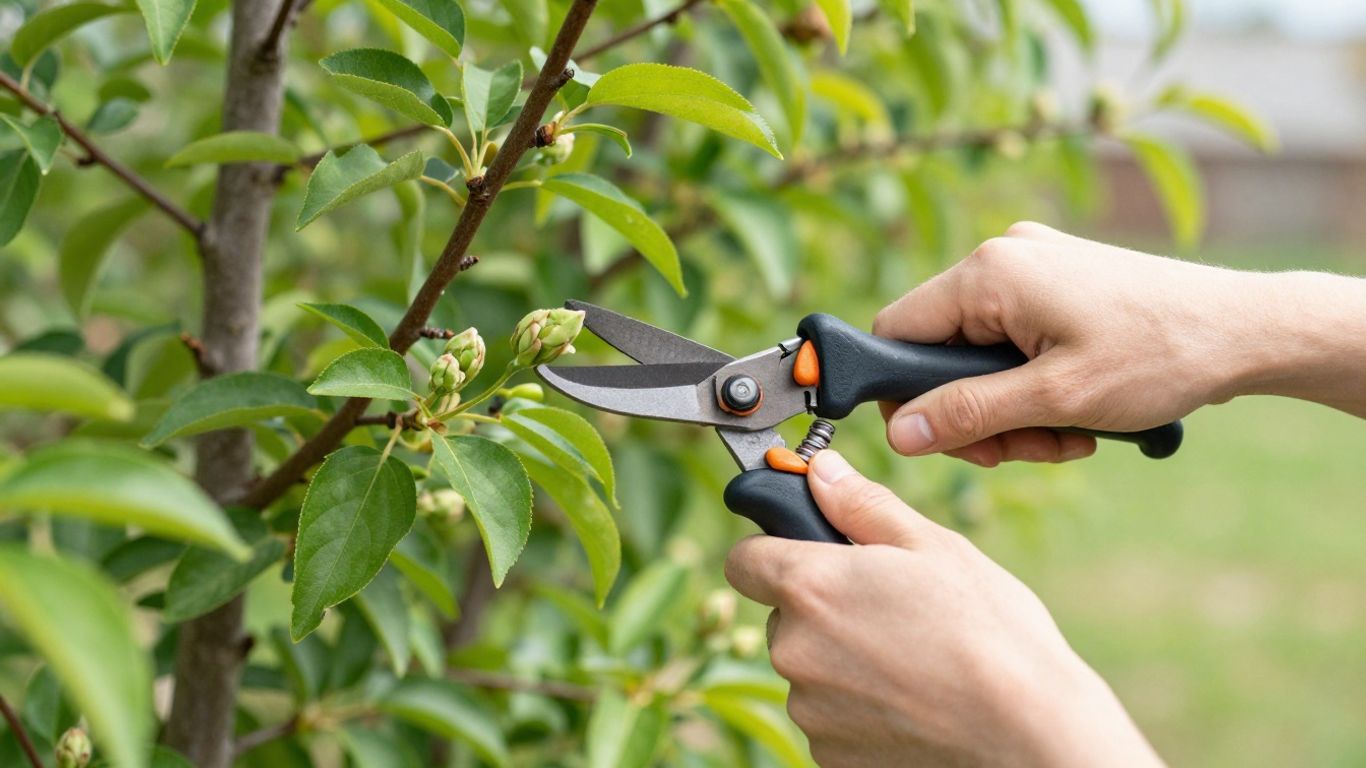
Sometimes, even with the best intentions and a good set of pruning shears, a fruit tree’s needs go beyond what we can handle ourselves. We might look at our trees and see branches that are just too high to reach safely, or perhaps a tree that’s grown into a shape that’s really difficult to correct. It’s important to know our limits when it comes to pruning. If a branch is dead, diseased, or just awkwardly placed, and getting to it means climbing precariously or using long, unwieldy tools, it’s probably time to think about getting some help. We also need to consider the tree’s overall health. If we see signs of serious disease or pest infestation that we don’t recognize, or if the tree looks weak and stressed, a professional can often diagnose the problem and treat it correctly. They have the tools and the know-how to make the right cuts, which can prevent further damage to the tree.
Benefits of Hiring Professionals for Tree Pruning Services
Bringing in the pros for tree pruning has several good points. For starters, safety is a big one. We don’t want any accidents happening in our yards, and professionals are trained to work safely at heights and with power equipment. They also have specialized tools that can make clean cuts, which helps the tree heal faster and reduces the chance of disease getting in. Plus, they can often see things we miss. They know how different fruit tree varieties respond to pruning and can shape them for the best fruit production and long-term health. It’s not just about cutting branches; it’s about understanding the tree’s biology.
Here are a few reasons why we might consider hiring a professional:
- Safety: Avoiding falls and injuries, especially with larger trees.
- Tree Health: Making proper cuts that promote healing and prevent disease.
- Fruit Yield: Shaping the tree for maximum fruit production.
- Tree Longevity: Helping the tree live a longer, healthier life.
- Difficult Access: Reaching branches that are high up or hard to get to.
When we’re unsure about the best way to prune a tree, or if the job looks too big or risky, it’s always better to err on the side of caution. A professional arborist can assess the situation and provide the best course of action, saving us time, effort, and potentially saving the tree itself from improper care.
Wrapping Up Our Spring Pruning
So, we’ve gone through the basics of getting our fruit trees ready for the growing season here in Sheridan. It might seem like a lot, but taking the time now really pays off later with healthier trees and better fruit. Don’t worry if your first attempt isn’t perfect; we’re all learning as we go. Just remember to be gentle with the trees and keep an eye on how they respond. We’re looking forward to seeing what our trees produce this year, and we hope you are too. Happy pruning!
Frequently Asked Questions
When is the best time to start pruning our fruit trees in early spring here in Sheridan, CA?
We should begin pruning our fruit trees as soon as the coldest part of winter has passed but before the trees start to bud out significantly. This timing allows us to see the tree’s structure clearly without leaves and helps the tree heal quickly as warmer weather arrives.
What are the main goals when we prune our young fruit trees in the spring?
When pruning young trees, our main aim is to shape them for strong, healthy growth. We want to create a good framework of branches that can support fruit later on. This involves removing any branches that cross or grow inward, encouraging an open shape that lets in sunlight and air.
How can pruning help our fruit trees produce more and better fruit?
By carefully thinning out branches, we allow more sunlight to reach all parts of the tree and improve air flow. This helps prevent diseases and encourages the tree to put its energy into producing larger, tastier fruit on the remaining branches, rather than producing a lot of small, poor-quality fruit.
